Benign paroxysmal positional vertigo, commonly known as BPPV, is a disorder of the inner ear that causes brief episodes of dizziness or a spinning sensation. These episodes are triggered by specific changes in head position, such as turning over in bed, looking up, or bending down. BPPV occurs when tiny calcium crystals in the inner ear become dislodged and move …

Geographic Tongue
Geographic tongue is a harmless inflammatory condition that affects the surface of the tongue. It is characterized by irregular, smooth, red patches surrounded by white or light-colored borders, giving the tongue a map-like appearance. These patches may change shape, size, and location over time. Geographic tongue is not contagious and is generally considered a benign condition, although it may cause …
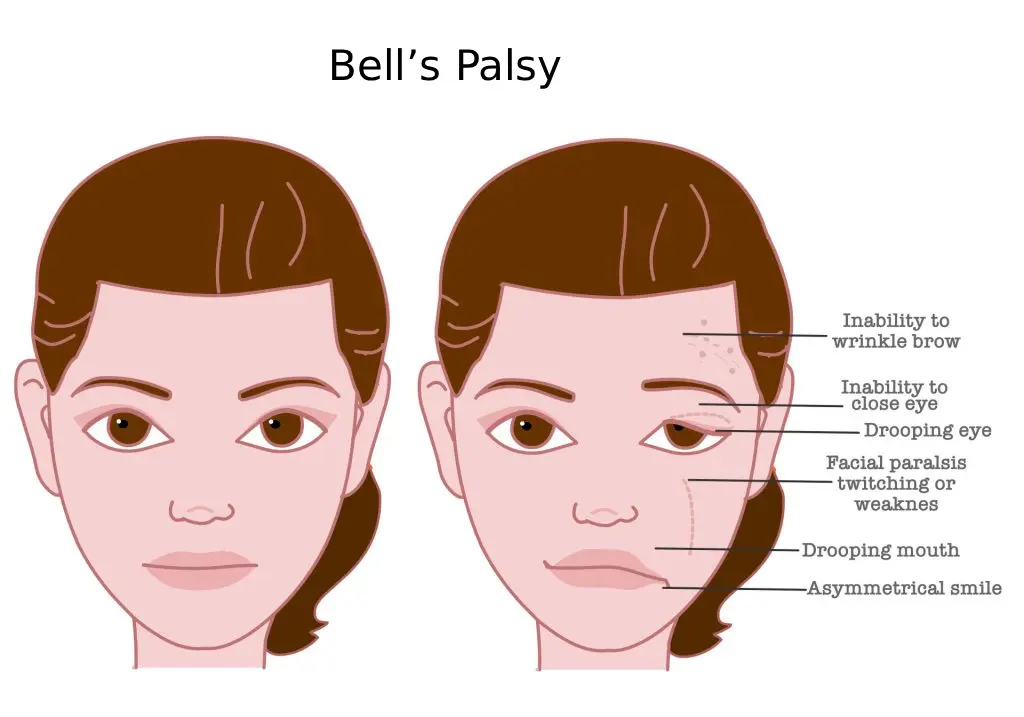
Bell’s Palsy
Bell’s palsy is a condition that causes sudden weakness or paralysis of the muscles on one side of the face. It occurs due to inflammation or compression of the facial nerve, which controls facial movements. The condition often develops rapidly, sometimes overnight, and can be frightening, though it is usually temporary. Bell’s palsy can affect people of all ages. Most …
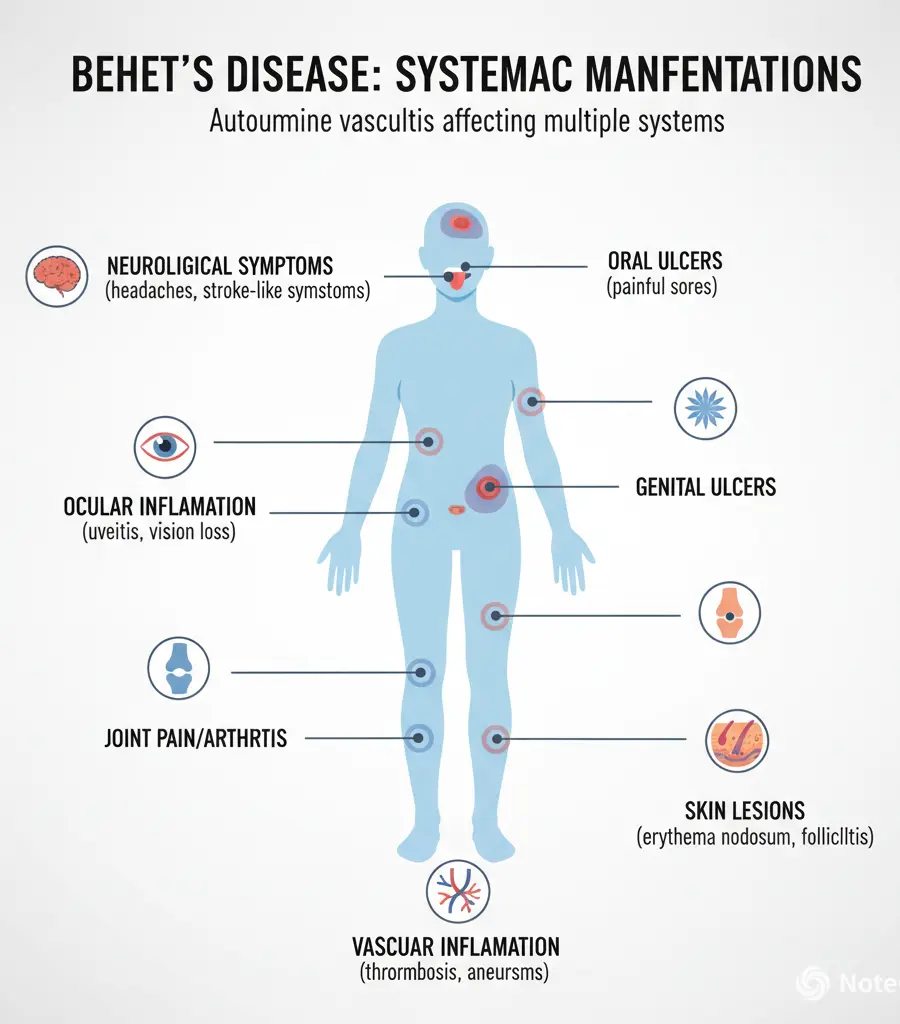
Behcet’s Disease
Behcet’s disease is a rare, long-term inflammatory disorder that affects blood vessels throughout the body. It can cause a wide range of symptoms involving the mouth, skin, eyes, joints, blood vessels, nervous system, and digestive tract. The condition often follows a pattern of flare-ups and periods of remission. Behcet’s disease typically begins in early adulthood and is more common in …
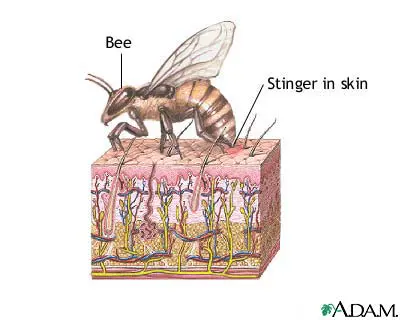
Bee Sting
A bee sting occurs when a bee injects venom into the skin through its stinger as a defense mechanism. Most bee stings cause mild, short-term reactions such as pain, redness, and swelling at the site. In some cases, the reaction can be more severe, especially in people who are allergic to bee venom. Bee stings are common during outdoor activities …
Bed-Wetting
Bed-wetting, medically known as nocturnal enuresis, is the involuntary passing of urine during sleep. It is most common in children, especially those under the age of five, but it can also occur in older children and, less commonly, in adults. Bed-wetting is usually not a sign of a serious medical problem and often improves as the child grows older. However, …
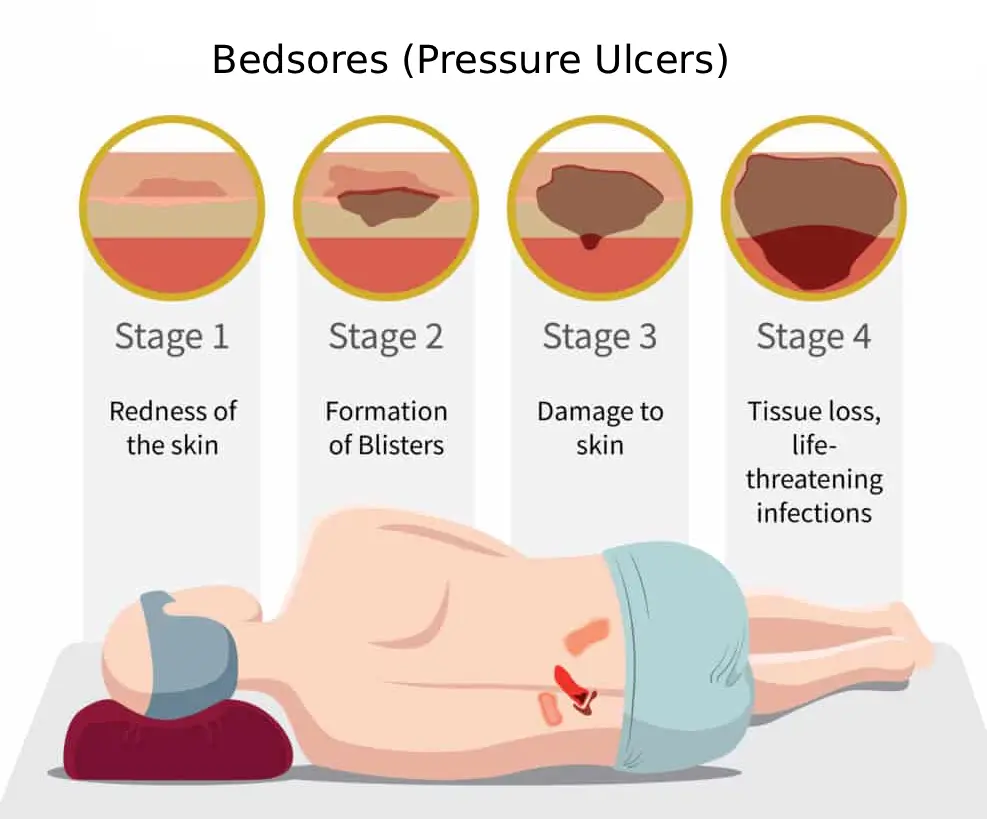
Bedsores (Pressure Ulcers)
Bedsores, also known as pressure ulcers or pressure sores, are injuries to the skin and underlying tissue caused by prolonged pressure on the skin. They commonly develop on areas of the body where bones are close to the skin, such as the heels, ankles, hips, tailbone, elbows, and shoulders. Bedsores often affect people who have limited mobility and are unable …
Bedbugs
Bedbug bites often appear after waking up and may vary from person to person. Some people may have no visible reaction, while others develop noticeable skin symptoms. Common symptoms include: Itchy red welts or bumps on the skin Bites often appearing in a line or cluster Swelling or inflammation around the bite area Burning or tingling sensation on the skin …
Body Dysmorphic Disorder
Body dysmorphic disorder is a mental health condition in which a person becomes excessively preoccupied with one or more perceived flaws in their physical appearance. These perceived defects are often minor or not noticeable to others, yet they cause significant distress and interfere with daily life. The condition affects both men and women and often begins during adolescence or early …
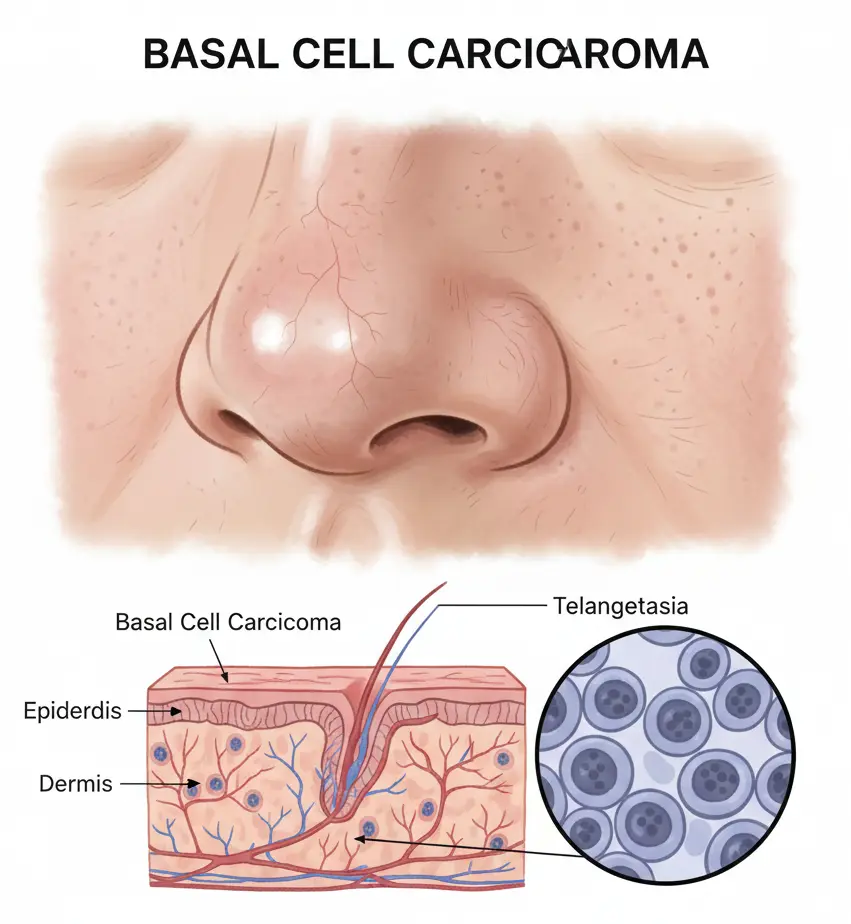
Basal Cell Carcinoma
Basal cell carcinoma is the most common type of skin cancer. It develops in the basal cells, which are found in the lower part of the outer layer of the skin. This cancer usually appears on areas of the body that receive frequent sun exposure, such as the face, neck, and arms. Basal cell carcinoma typically grows slowly and rarely …