Low Blood Pressure

webdev

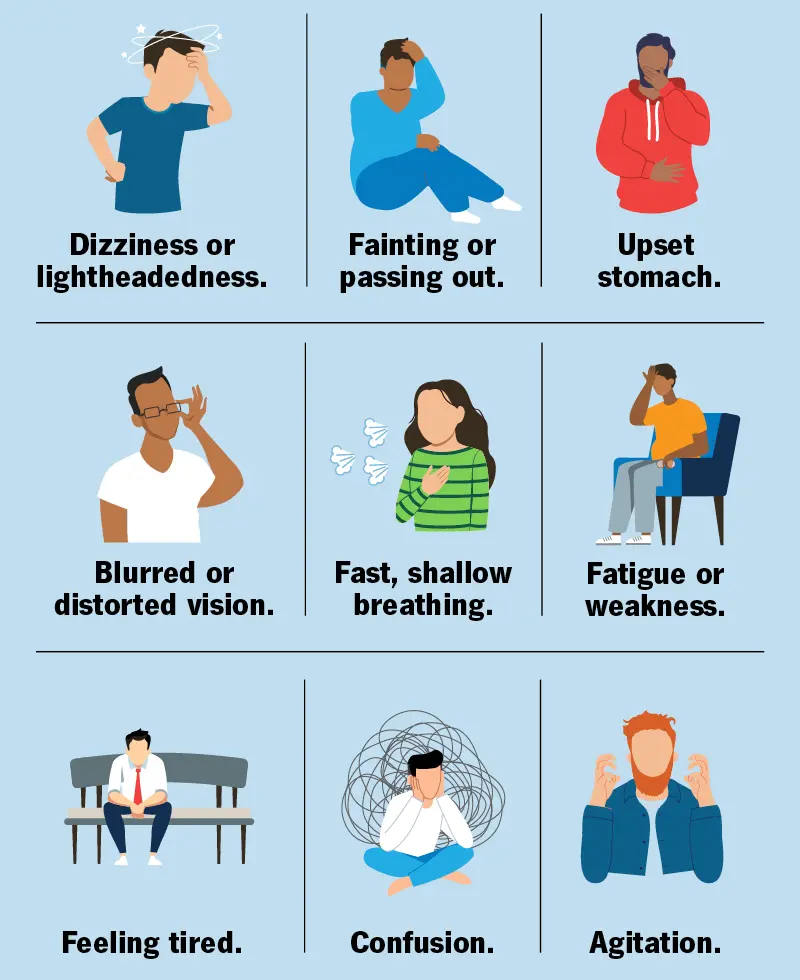
Low blood pressure, also known as hypotension, occurs when blood pressure levels drop below normal, typically less than 90/60 mmHg. While low blood pressure can be normal for some individuals and may not cause symptoms, it can sometimes lead to inadequate blood flow to vital organs. When symptomatic, hypotension may cause dizziness, fainting, or shock in severe cases. Symptoms Symptoms …
Stress Fractures

webdev

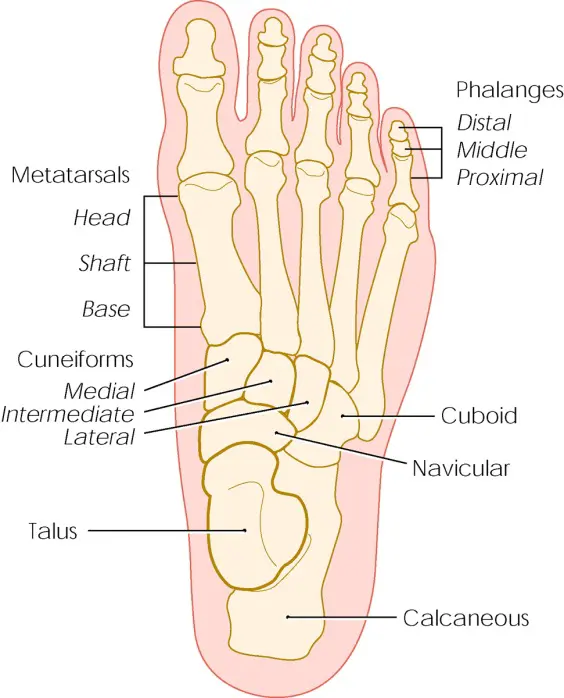
Stress fractures are small cracks in a bone caused by repetitive force or overuse, rather than a single traumatic injury. They commonly occur in weight-bearing bones such as the shin, foot, and hip. Athletes, military recruits, and individuals who suddenly increase physical activity are particularly at risk. Early detection is important to prevent worsening of the fracture and long-term complications. …

Burns

webdev

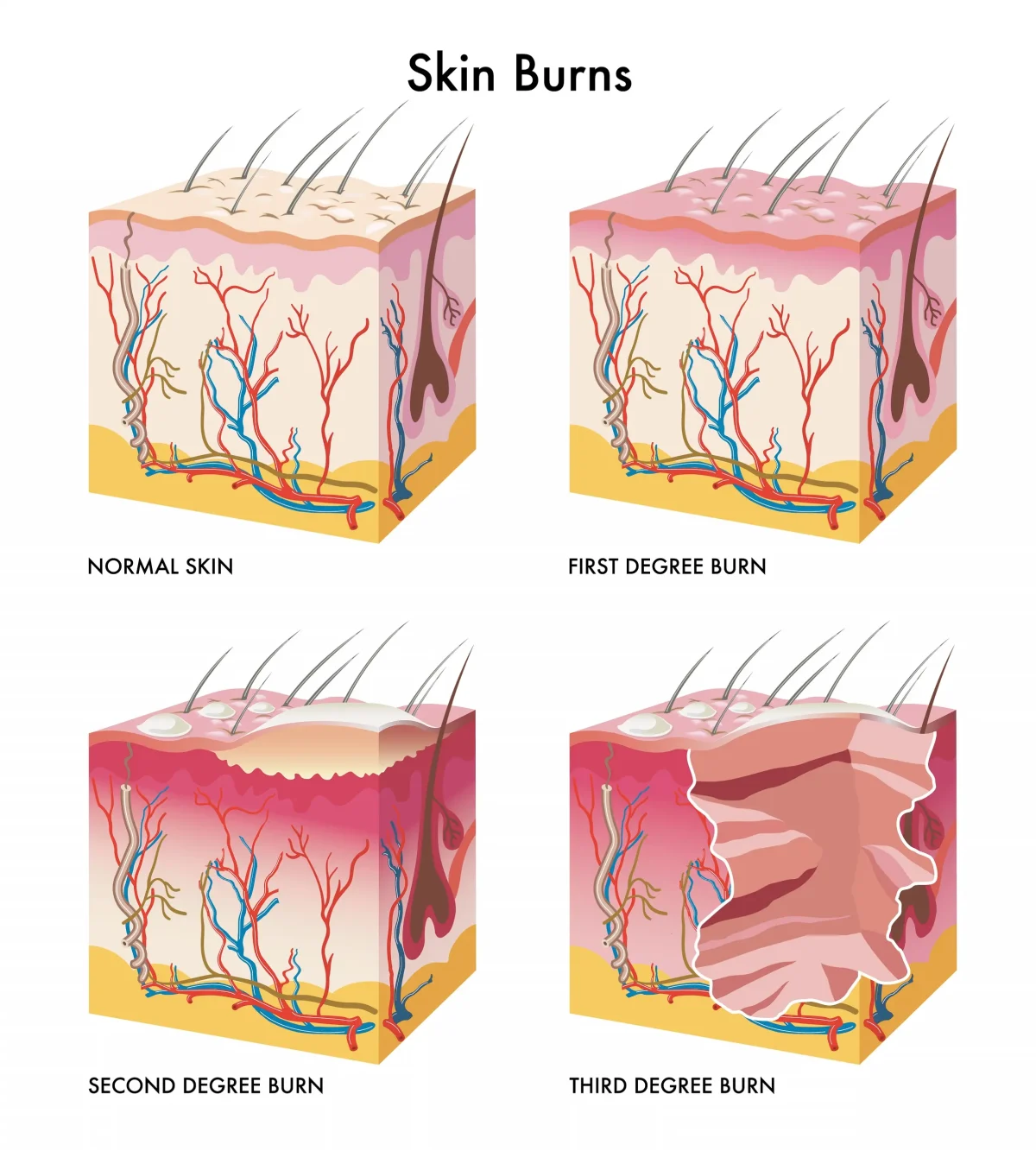
Burns are injuries to the skin and underlying tissues caused by heat, chemicals, electricity, radiation, or friction. The severity of a burn depends on how deep the injury goes and how much of the body is affected. Burns are commonly classified as minor or severe and can range from mild skin redness to deep tissue damage. Prompt and appropriate care …

Bipolar Disorder

webdev

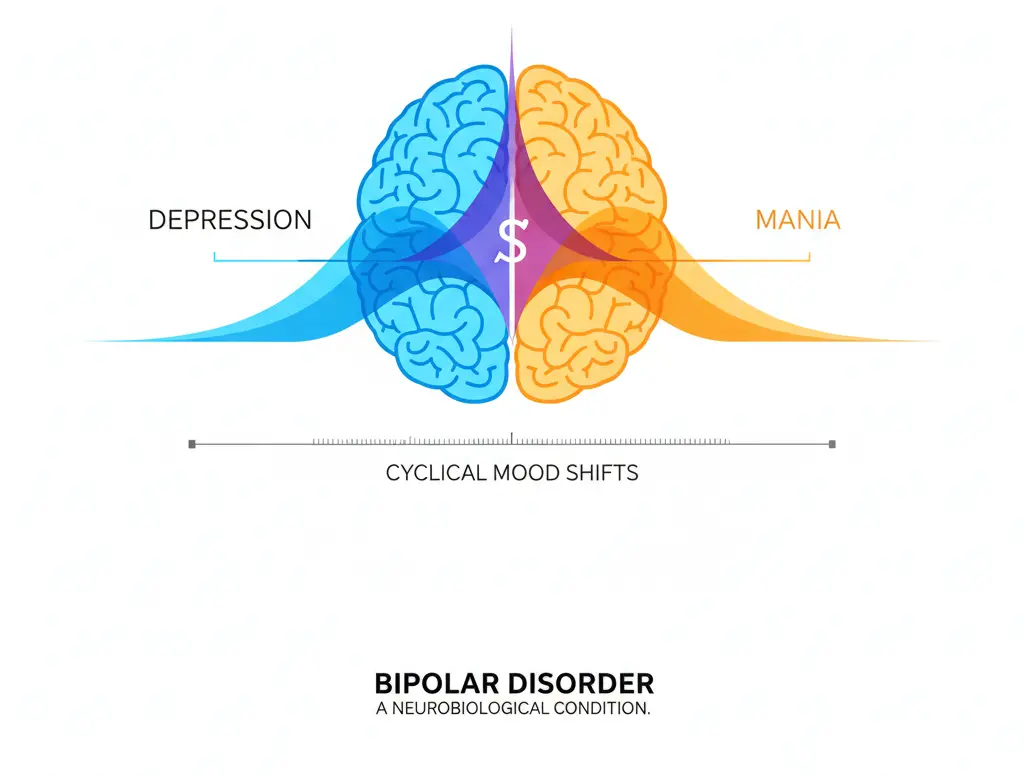
Bipolar disorder is a long-term mental health condition characterized by significant changes in mood, energy levels, activity, and ability to function. These mood changes range from emotional highs, known as manic or hypomanic episodes, to emotional lows, known as depressive episodes. The shifts in mood are more intense than normal mood variations and can affect daily life, relationships, and work. …

Auditory Processing Disorder (APD)

webdev

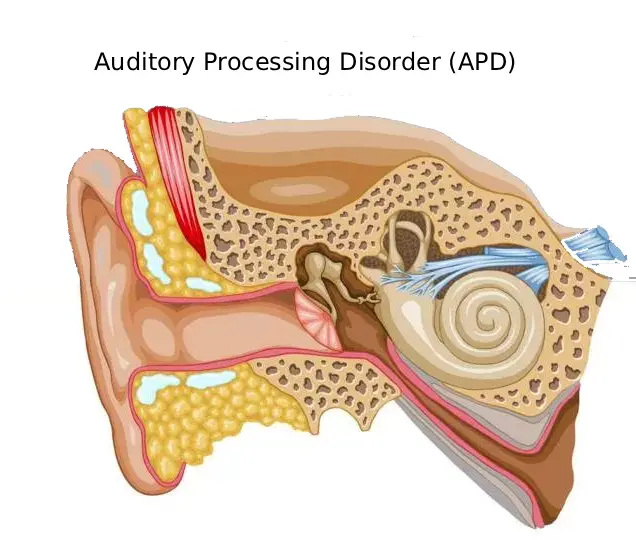
Auditory processing disorder, also known as APD, is a condition in which the brain has difficulty processing sounds, even though the ears may be working normally. Unlike other forms of hearing loss that result from damage to the ear, APD involves problems in the part of the brain responsible for interpreting sound. Auditory processing disorder is sometimes called central auditory …

Autism Spectrum Disorder

webdev

Autism spectrum disorder is a neurodevelopmental condition that affects how individuals perceive, communicate, and interact with others. It is characterized by difficulties in social communication and restricted, repetitive patterns of behavior. The term “spectrum” reflects the wide range of symptoms and their varying severity. Autism spectrum disorder includes conditions previously considered separate, such as autism, Asperger’s syndrome, childhood disintegrative disorder, …

Autoimmune Hepatitis

webdev

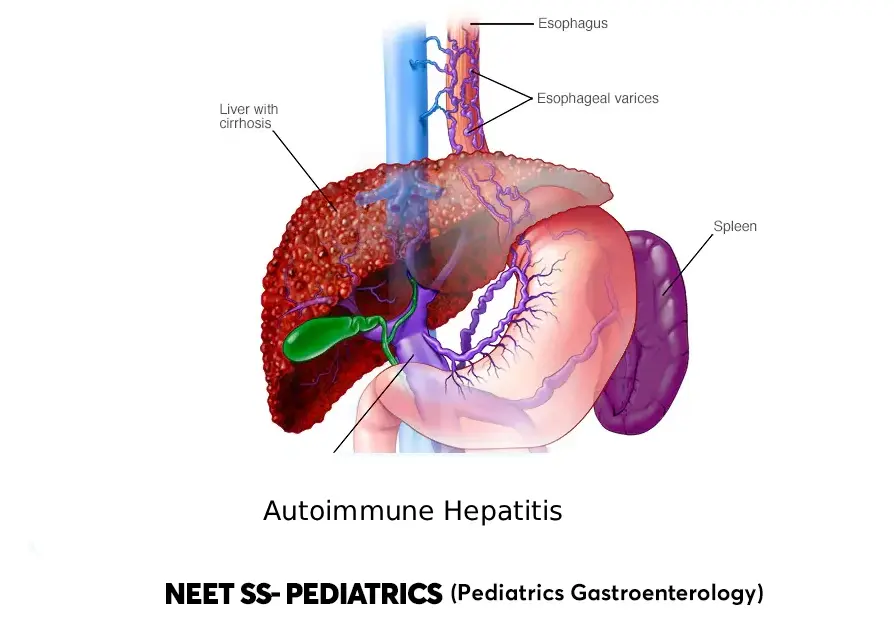
Autoimmune hepatitis is a liver disease in which the body’s immune system attacks the liver, causing inflammation, irritation, and damage. The exact cause is unclear, but a combination of genetic and environmental factors appears to trigger the disease over time. If left untreated, autoimmune hepatitis can lead to liver scarring, known as cirrhosis, and may eventually result in liver failure. …

Autoimmune Pancreatitis

webdev

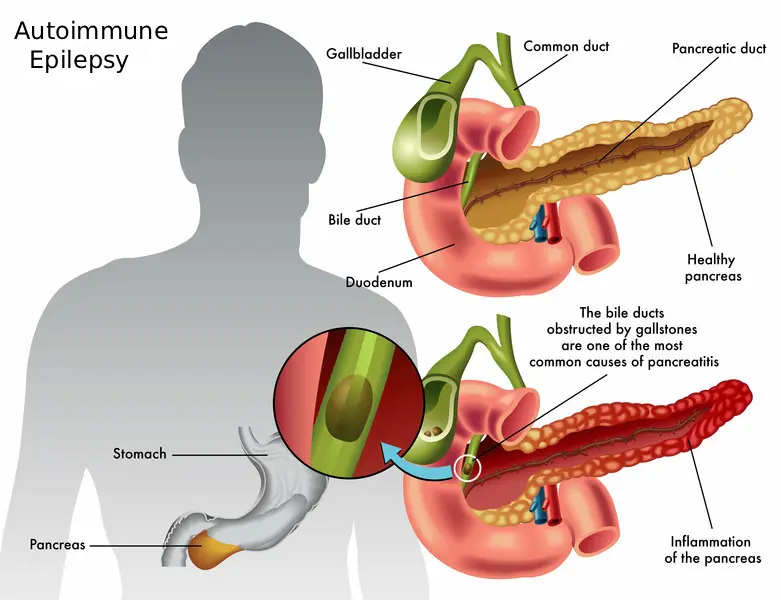
Autoimmune pancreatitis (AIP) is inflammation of the pancreas caused by the immune system mistakenly attacking the organ. Two subtypes of AIP are recognized: type 1 and type 2. Type 1 AIP, also called IgG4-related disease (IgG4-RD), can affect multiple organs, including the pancreas, bile ducts, salivary glands, kidneys, and lymph nodes. Type 2 AIP typically affects only the pancreas, although …

Autonomic Neuropathy

webdev

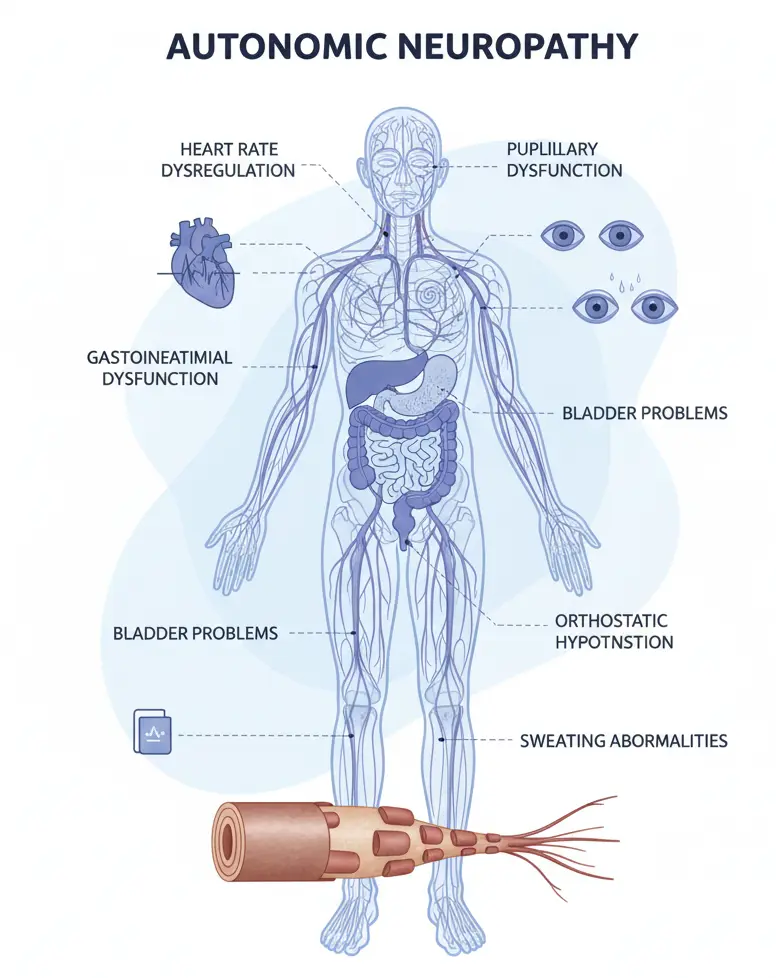
Autonomic neuropathy occurs when the nerves that control automatic body functions are damaged. This can affect blood pressure, temperature regulation, digestion, bladder function, and sexual function. Nerve damage disrupts communication between the brain and organs within the autonomic nervous system, including the heart, blood vessels, and sweat glands. Diabetes is the most common cause, but other health conditions, infections, or …

Bird Flu (Avian Influenza)

webdev

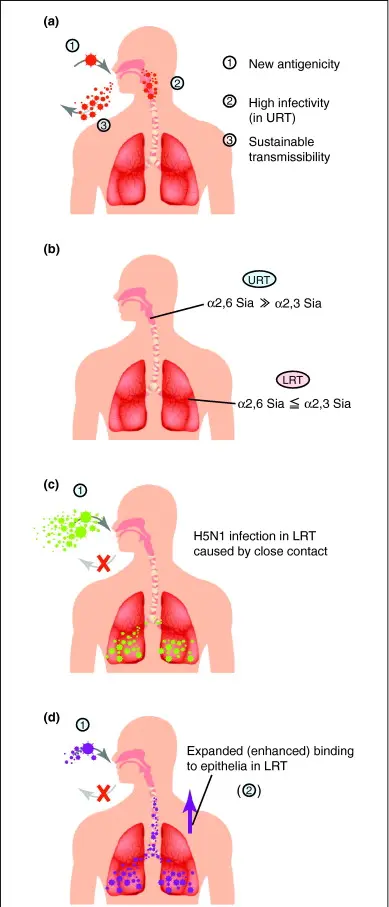
Bird flu, also known as avian influenza, is a viral infection that primarily affects birds but can sometimes spread to humans. It is caused by influenza A viruses, with certain strains such as H5N1 and H7N9 being more likely to infect people. Human infections are rare but can be serious when they occur. Most human cases are linked to close …