
Overview
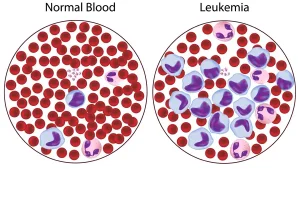
Acute lymphocytic leukemia is a cancer of the blood and bone marrow, the soft, spongy tissue inside bones where blood cells are produced. It develops when the bone marrow makes large numbers of abnormal white blood cells that do not mature properly.
The term acute refers to how quickly the disease progresses and how it leads to the production of immature blood cells rather than normal, mature ones. Lymphocytic indicates that the cancer affects lymphocytes, a type of white blood cell that plays a key role in the immune system. Acute lymphocytic leukemia is also called acute lymphoblastic leukemia.
This condition is the most common type of cancer in children. With modern treatments, many children have a good chance of cure. Acute lymphocytic leukemia can also affect adults, but treatment outcomes are generally less favorable compared with children.
Symptoms
Signs and symptoms of acute lymphocytic leukemia often develop over weeks and may resemble those of common infections at first. Common symptoms include:
-
Bleeding from the gums
-
Bone or joint pain
-
Fever
-
Frequent or recurring infections
-
Frequent or severe nosebleeds
-
Swollen lymph nodes in the neck, armpits, abdomen, or groin
-
Pale skin
-
Shortness of breath
-
Weakness, fatigue, or reduced energy levels
Because these symptoms can be vague, the condition may not be recognized immediately.
Causes
Acute lymphocytic leukemia occurs when a bone marrow cell develops changes, known as mutations, in its DNA. DNA contains the instructions that control how cells grow, divide, and die. Normally, cells grow at a controlled rate and die when they are no longer needed.
In acute lymphocytic leukemia, DNA mutations cause bone marrow cells to keep growing and dividing uncontrollably. This leads to the production of immature white blood cells called lymphoblasts. These abnormal cells do not function properly and begin to crowd out healthy blood cells in the bone marrow.
As healthy red blood cells, white blood cells, and platelets decrease, symptoms such as infections, anemia, and bleeding problems can develop. The exact reason why these DNA mutations occur is not fully understood.
Risk factors
Several factors may increase the risk of developing acute lymphocytic leukemia:
-
Previous cancer treatment, especially certain types of chemotherapy or radiation therapy
-
Exposure to very high levels of radiation, such as radiation from nuclear accidents
-
Genetic conditions, including Down syndrome and other inherited disorders
Having one or more risk factors does not mean a person will develop the disease, and many people diagnosed with acute lymphocytic leukemia have no known risk factors.
Complications
Acute lymphocytic leukemia can lead to serious complications if not treated promptly. Low levels of healthy blood cells may result in frequent infections, severe anemia, and uncontrolled bleeding.
The disease can also spread beyond the bone marrow to other parts of the body, such as the lymph nodes, liver, spleen, brain, and spinal cord. Treatment itself may cause complications, including infections, organ damage, or long-term effects related to chemotherapy or radiation therapy.
Without treatment, acute lymphocytic leukemia can progress rapidly and become life-threatening.
Prevention
There is no known way to prevent acute lymphocytic leukemia. Most of the known risk factors, such as genetic conditions or necessary cancer treatments, cannot be avoided.
Reducing unnecessary exposure to high levels of radiation may lower risk, but for most people, the disease develops without any clear preventable cause. Regular medical care and attention to persistent or unusual symptoms can help ensure early diagnosis and timely treatment, which greatly improves outcomes.
Advertisement
