
Overview
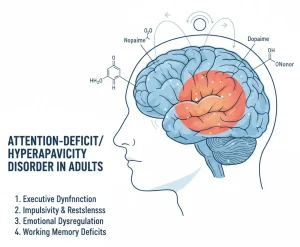
Adult attention-deficit/hyperactivity disorder, commonly known as adult ADHD, is a mental health condition characterized by a persistent pattern of inattention, impulsivity and restlessness. Although often associated with childhood, ADHD begins early in life and may continue into adulthood. In many individuals, symptoms are not recognized or formally diagnosed until adult years.
Adult ADHD can affect many areas of daily life, including work performance, academic achievement, relationships and self-esteem. While hyperactivity may become less obvious with age, difficulties with focus, organization, impulse control and emotional regulation often remain. Treatment does not cure ADHD, but it can greatly reduce symptoms and improve functioning. Management typically includes medication, psychological counseling and treatment of any coexisting mental health conditions.
Symptoms
Some adults experience fewer ADHD symptoms as they grow older, while others continue to have symptoms that significantly interfere with daily responsibilities. In adults, the most common features include difficulty maintaining attention, impulsive behavior and inner restlessness. Symptoms may be mild, moderate or severe.
Many adults with ADHD are unaware they have the condition and may simply feel overwhelmed by everyday demands. Problems with prioritizing tasks, managing time and maintaining focus can lead to missed deadlines, forgotten commitments and workplace or relationship difficulties. Impulsivity may show up as impatience, emotional outbursts or risky decision-making.
Common symptoms of adult ADHD may include:
-
Impulsiveness
-
Disorganization and difficulty prioritizing tasks
-
Poor time management
-
Trouble focusing on one task at a time
-
Difficulty multitasking
-
Excessive activity or inner restlessness
-
Poor planning and follow-through
-
Low tolerance for frustration
-
Frequent mood changes
-
Difficulty completing tasks
-
Short temper
-
Trouble managing stress
Typical Behavior Versus Adult ADHD
Most people experience occasional problems with focus, organization or restlessness. When these difficulties are recent, situational or infrequent, ADHD is unlikely. Adult ADHD is diagnosed when symptoms are persistent, begin in childhood and cause ongoing problems in more than one area of life, such as work, education or relationships.
Diagnosing ADHD in adults can be challenging because symptoms often overlap with those of anxiety disorders, mood disorders or other mental health conditions. Many adults with ADHD also have one or more coexisting conditions, which can complicate diagnosis and treatment.
Causes
The exact cause of ADHD is not fully understood, but research suggests that multiple factors contribute to its development. These factors may involve genetic influences, environmental exposures and disruptions in brain development or function during critical stages of growth.
Risk Factors
Certain factors may increase the likelihood of developing ADHD:
-
Having a close family member with ADHD or another mental health disorder
-
Prenatal exposure to alcohol, tobacco or recreational drugs
-
Exposure to environmental toxins, such as lead, during childhood
-
Being born prematurely
Complications
Adult ADHD can have a significant impact on overall quality of life. Without appropriate treatment and support, individuals with ADHD may experience:
-
Poor academic or work performance
-
Unemployment or frequent job changes
-
Financial difficulties
-
Legal problems
-
Alcohol or substance misuse
-
Increased risk of accidents, including motor vehicle accidents
-
Unstable personal relationships
-
Poor physical and mental health
-
Low self-esteem and negative self-image
-
Increased risk of suicide attempts
Coexisting Conditions
ADHD does not directly cause other mental health disorders, but it commonly occurs alongside them, making treatment more complex. Conditions often associated with adult ADHD include mood disorders such as depression or bipolar disorder, anxiety disorders, substance use disorders, personality disorders, intermittent explosive disorder and learning disabilities. These conditions may worsen ADHD symptoms and require integrated treatment approaches.
Prevention
There is no proven way to prevent ADHD. However, reducing exposure to known risk factors may help lower the likelihood or severity of symptoms. During pregnancy, avoiding alcohol, tobacco and drug use supports healthy brain development. Limiting childhood exposure to environmental toxins such as lead may also reduce risk. Early identification and intervention can help minimize long-term complications and improve daily functioning.
Advertisement
