
Overview
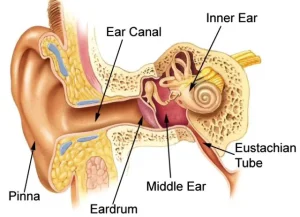
Airplane ear is stress on the eardrum that occurs when the air pressure in the middle ear does not match the air pressure outside the ear. This most often happens during airplane travel, especially when the plane is climbing after takeoff or descending for landing. The pressure difference can prevent the eardrum from moving normally, leading to discomfort and other symptoms.
Airplane ear is also known as ear barotrauma, barotitis media or aerotitis media. It can affect one or both ears and is usually temporary. In many cases, simple self-care actions such as yawning, swallowing or chewing gum help restore pressure balance and relieve symptoms.
Most cases are mild and improve on their own. However, severe or long-lasting airplane ear may require medical evaluation and treatment to prevent complications.
Symptoms
Airplane ear symptoms can range from mild discomfort to more serious ear problems.
Common symptoms include:
-
Ear discomfort or mild pain
-
A feeling of fullness, pressure or stuffiness in the ear
-
Muffled hearing or partial hearing loss
More severe symptoms may include:
-
Intense ear pain
-
Increased pressure inside the ear
-
Worsening hearing loss
-
Ringing in the ears, known as tinnitus
-
A spinning sensation, called vertigo
-
Bleeding from the ear
Symptoms may occur during ascent or descent and usually improve shortly after pressure equalizes.
Causes
Airplane ear happens when the pressure in the middle ear and the pressure inside the airplane cabin are not equal. This pressure imbalance prevents the eardrum, also called the tympanic membrane, from moving properly.
The middle ear connects to the back of the nose and throat through a narrow passage called the eustachian tube. This tube helps regulate air pressure in the ear. During rapid altitude changes, such as during takeoff or landing, the eustachian tube may not adjust quickly enough to balance the pressure.
Swallowing, yawning or chewing opens the eustachian tube and allows air to flow into the middle ear, helping equalize pressure.
Airplane ear can also occur with:
-
Scuba diving
-
Hyperbaric oxygen therapy
-
Riding elevators in very tall buildings
-
Driving through mountains with rapid altitude changes
Risk factors
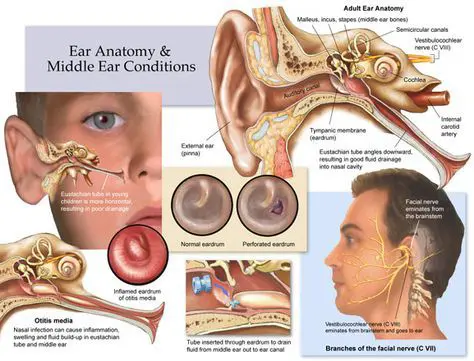
Certain factors increase the likelihood of developing airplane ear by interfering with normal eustachian tube function.
Common risk factors include:
-
A small or narrow eustachian tube, especially in infants and young children
-
Common cold
-
Sinus infection
-
Allergic rhinitis, also known as hay fever
-
Middle ear infection
-
Sleeping during airplane ascent or descent, which prevents swallowing or yawning
These factors can make it harder for pressure to equalize during altitude changes.
Complications
Airplane ear is usually mild and resolves with self-care. Rarely, complications may occur if the condition is severe, prolonged or causes damage to the middle or inner ear.
Possible complications include:
-
Permanent hearing loss
-
Ongoing ringing in the ears, known as chronic tinnitus
-
Persistent dizziness or vertigo
Seeking medical care for severe or persistent symptoms can help reduce the risk of long-term problems.
Prevention
Several steps can help prevent airplane ear or reduce its severity during air travel.
Helpful prevention tips include:
-
Yawning and swallowing during takeoff and landing to open the eustachian tubes
-
Chewing gum or sucking on candy to encourage swallowing
-
Performing the Valsalva maneuver by gently blowing while pinching the nostrils and keeping the mouth closed
-
Staying awake during ascent and descent to actively equalize ear pressure
-
Avoiding flying when you have a cold, sinus infection, nasal congestion or ear infection, if possible
-
Using a nasal spray 30 minutes to one hour before takeoff and landing for nasal congestion, avoiding overuse
-
Taking oral decongestants with caution and only if medically appropriate
-
Using filtered earplugs designed to help regulate pressure changes
For people who experience severe or frequent airplane ear and must fly often, a healthcare professional may recommend special treatments such as pressure-equalizing ear tubes.
To help children prevent airplane ear:
-
Encourage swallowing during takeoff and landing by offering a bottle, pacifier or drink
-
Have children sit upright while drinking
-
Allow older children to chew gum or blow bubbles through a straw
-
Avoid decongestant medicines in young children, as they are not recommended
Request an appointment
Advertisement
