
Overview
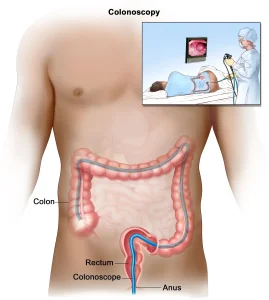
Anal cancer is a type of cancer that begins in the anal canal. The anal canal is a short tube located at the end of the rectum through which stool leaves the body. Cancer develops when abnormal cells grow uncontrollably in this area.
Anal cancer may cause symptoms such as rectal bleeding, blood in the stool or pain around the anus. As the cancer grows, it can form a lump or mass in the anal canal. These symptoms are sometimes mistaken for hemorrhoids, which can delay diagnosis.
In the past, surgery was the main treatment for anal cancer and often required creating a new way for waste to leave the body. Today, most cases are treated with a combination of chemotherapy and radiation therapy. With this approach, many people can avoid surgery.
Symptoms
Signs and symptoms of anal cancer can vary depending on the size and location of the tumor. Common symptoms include:
-
Bleeding from the anus or rectum
-
Blood in the stool
-
Pain or discomfort in the anal area
-
A lump or growth in the anal canal
-
Anal itching
-
Needing to have bowel movements more frequently
Some people may not notice symptoms in the early stages. Any persistent or concerning symptoms should be evaluated by a healthcare professional.
When to see a doctor
Make an appointment with a doctor or other healthcare professional if you experience ongoing anal pain, bleeding, changes in bowel habits or any other symptoms that cause concern. Early evaluation can help identify serious conditions sooner.
Causes
Anal cancer occurs when cells in the anal canal develop changes in their DNA. DNA contains instructions that control how cells grow, divide and die. In healthy cells, these processes happen in an orderly way. In cancer cells, DNA changes cause cells to grow and survive when they should not.
As abnormal cells multiply, they can form a mass known as a tumor. The tumor may grow into nearby tissues and damage healthy cells. Over time, cancer cells can break away and spread to other parts of the body. This spread is known as metastatic cancer.
Most anal cancers are linked to infection with human papillomavirus, also called HPV. HPV is a common virus spread through sexual contact. In many people, the virus causes no symptoms and goes away on its own. In some cases, however, HPV can cause cell changes that increase the risk of cancer.
Risk factors
Several factors may increase the risk of developing anal cancer.
Exposure to HPV is the most significant risk factor. HPV infection is common and can lead to several types of cancer, including anal cancer.
Other risk factors include:
-
Having multiple sexual partners or a partner with multiple past partners
-
Having receptive anal sex
-
Smoking cigarettes
-
A personal history of cervical, vulvar or vaginal cancer
-
A weakened immune system due to illness or medications
People with weakened immune systems include those living with HIV or those taking immune-suppressing medicines after an organ transplant.
Complications
Anal cancer does not often spread to other parts of the body. When it does spread, it most commonly affects the liver or the lungs. Advanced anal cancer that has spread can be more difficult to treat and may require more aggressive therapy.
Prevention
There is no guaranteed way to prevent anal cancer, but certain steps may help reduce the risk.
Practicing safer sex may lower the risk of HPV infection. This can include using condoms and limiting the number of sexual partners.
Receiving the HPV vaccine may reduce the risk of anal cancer and other cancers linked to HPV. A healthcare professional can help determine whether the vaccine is appropriate.
Avoiding tobacco is another important step. Smoking increases the risk of anal cancer, so quitting tobacco use can improve overall health and reduce cancer risk.
Screening and early detection
Screening tests may help detect anal cancer or precancerous changes before symptoms develop. Screening is sometimes recommended for people at high risk.
You may have a higher risk of anal cancer if you:
-
Have HIV
-
Take immune-suppressing medications after an organ transplant
-
Have been diagnosed with precancerous changes of the cervix, vagina, vulva, penis or scrotum
Screening methods may include:
-
Anal Pap test, which checks anal canal cells for abnormal changes
-
Anal HPV test to detect HPV infection
-
Digital rectal exam, in which a healthcare professional feels the anal canal and rectum for abnormal growths
Medical organizations do not all agree on who should be screened or which tests should be used. Screening may detect cancer at an earlier and more treatable stage, but it has not been proven to save lives. Discuss the potential benefits and risks of screening with your healthcare team.
Advertisement
