
Overview
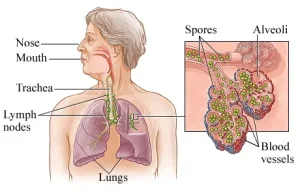
Anthrax is a rare but serious infectious disease caused by a spore-forming bacterium called Bacillus anthracis. Once inside the body, the spores can release toxins that damage tissues and organs. Anthrax mainly affects livestock and wild animals, and people usually become infected through contact with infected animals or animal products.
Anthrax does not spread from person to person in the way common respiratory infections do. The spores typically enter the body through breaks in the skin, by inhalation or by eating contaminated meat. In very rare cases, infection may occur through direct contact with an open anthrax skin sore.
The symptoms of anthrax vary depending on how the infection enters the body. Common symptoms may include skin sores, fever, vomiting and shock. With prompt antibiotic treatment, most forms of anthrax can be cured. Inhalation anthrax is the most severe form and may be fatal even with treatment.
Anthrax is uncommon in the United States. However, it remains a public health concern because Bacillus anthracis has been used in acts of bioterrorism.
Symptoms
There are four main types of anthrax infection. Symptoms usually begin within a week of exposure, but in some cases they may take several weeks to appear.
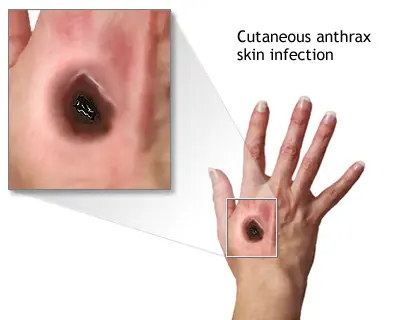
Cutaneous anthrax is the most common and mildest form of the disease. It occurs when spores enter the body through a cut or scrape in the skin.
Symptoms may include:
-
A raised, itchy bump resembling an insect bite that develops into a painless sore with a black center
-
Fever
-
Swelling around the sore and nearby lymph nodes
Gastrointestinal anthrax occurs after eating undercooked meat from an infected animal. It can affect the digestive tract from the throat to the intestines.
Symptoms may include:
-
Nausea and vomiting, sometimes with blood
-
Abdominal pain
-
Loss of appetite
-
Fever
-
Severe, bloody diarrhea in later stages
-
Sore throat and difficulty swallowing
Inhalation anthrax develops after breathing in anthrax spores and is the most dangerous form of the disease.
Symptoms may include:
-
Flu-like symptoms such as fever, fatigue and muscle aches
-
Chest discomfort
-
Shortness of breath
-
Nausea
-
Coughing up blood
-
Painful swallowing
-
High fever
-
Shock
-
Inflammation of the brain and spinal cord
Injection anthrax has been reported mainly in Europe and occurs through injection of contaminated illicit drugs.
Symptoms may include:
-
Itchy bumps at the injection site
-
Severe swelling around the affected area
Causes
Anthrax is caused by exposure to spores of Bacillus anthracis. These spores can survive in soil for long periods and infect humans through contact with infected animals, animal products, contaminated meat or airborne spores.
Risk factors
Factors that increase the risk of anthrax infection include:
-
Working with livestock or animal products
-
Handling hides, wool or meat from infected animals
-
Injecting illicit drugs
-
Exposure to anthrax spores in laboratory or bioterrorism settings
Complications
Without treatment, anthrax can lead to severe illness, organ failure, shock and death. Inhalation anthrax carries the highest risk of fatal complications.
Prevention
Preventive measures include vaccination for people at high risk, proper handling of animals and animal products, avoiding undercooked meat and following public health guidance in areas where anthrax is known to occur.
Advertisement

