
Overview
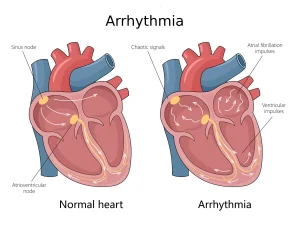
A heart arrhythmia is an irregular heartbeat that occurs when the electrical signals controlling the heart’s rhythm do not function properly. As a result, the heart may beat too fast, too slow or in an uneven pattern. Some arrhythmias are harmless and may not cause symptoms, while others can be serious and life-threatening.
An irregular heartbeat may feel like fluttering, pounding or racing in the chest. At times, changes in heart rate are normal, such as a faster heartbeat during exercise or a slower rate during sleep. Problems arise when the heart cannot pump blood effectively due to abnormal rhythm.
Treatment for heart arrhythmias depends on the type and severity. Options may include medicines, implanted devices such as pacemakers, or procedures and surgery. Adopting a heart-healthy lifestyle can help prevent heart damage that may trigger arrhythmias.
Symptoms
Some heart arrhythmias do not cause noticeable symptoms and may be detected during a routine health checkup.
When symptoms occur, they may include:
-
A fluttering, pounding or racing sensation in the chest
-
Fast heartbeat
-
Slow heartbeat
-
Chest pain
-
Shortness of breath
Other possible symptoms include:
-
Anxiety
-
Feeling very tired
-
Lightheadedness or dizziness
-
Sweating
-
Fainting or nearly fainting
Causes
Heart arrhythmias occur when the electrical system that controls the heartbeat is disrupted. In a healthy heart, electrical signals start in the sinus node, travel through the atria and pass through the atrioventricular node to the ventricles, causing coordinated heartbeats.
Certain conditions can interfere with this process, including:
-
Heart attack or scarring from a previous heart attack
-
Blocked heart arteries, known as coronary artery disease
-
Structural changes in the heart, such as cardiomyopathy
-
Diabetes
-
High blood pressure
-
Infection with COVID-19
-
Overactive or underactive thyroid gland
-
Sleep apnea
-
Some medicines, including those used for colds and allergies
-
Excessive alcohol or caffeine intake
-
Illegal drug use or misuse
-
Genetic factors
-
Smoking
-
Stress or anxiety
These factors can alter how electrical signals travel through the heart and lead to irregular heartbeats.
Risk factors
Certain conditions and lifestyle factors increase the likelihood of developing heart arrhythmias.
Risk factors include:
-
Coronary artery disease and other heart problems, including prior heart surgery
-
High blood pressure
-
Heart problems present at birth, known as congenital heart defects
-
Thyroid disease
-
Obstructive sleep apnea
-
Electrolyte imbalances involving potassium, sodium, calcium or magnesium
-
Some prescription medicines and supplements
-
Excessive alcohol use
-
Caffeine, nicotine or illegal drug use
These factors can disrupt heart signaling or damage heart tissue, raising the risk of rhythm problems.
Complications
Complications of heart arrhythmias vary depending on the type and severity of the condition.
Possible complications include:
-
Blood clots that can lead to stroke
-
Heart failure
-
Sudden cardiac death
Blood-thinning medicines may be prescribed to reduce the risk of stroke, especially in people with atrial fibrillation. If arrhythmias cause symptoms of heart failure, controlling the heart rate and rhythm can help improve heart function.
Prevention
Not all heart arrhythmias can be prevented, but managing heart health can reduce risk.
Preventive steps include:
-
Not smoking
-
Eating a diet low in salt and saturated fat
-
Exercising at least 30 minutes on most days of the week
-
Maintaining a healthy weight
-
Managing stress effectively
-
Controlling high blood pressure, high cholesterol and diabetes
-
Getting adequate sleep, typically 7 to 9 hours per night
-
Limiting or avoiding caffeine and alcohol
These lifestyle measures support overall heart health and help lower the risk of developing heart arrhythmias.
Advertisement
