
Overview
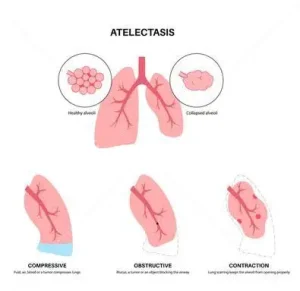
Atelectasis is the collapse of a lung or part of a lung, also known as a lobe. It occurs when the tiny air sacs in the lungs, called alveoli, lose air and are unable to stay open. When this happens, the affected portion of the lung cannot properly exchange oxygen and carbon dioxide.
Atelectasis is one of the most common breathing-related complications after surgery, particularly after procedures involving general anesthesia. It can also occur with a wide range of respiratory and non-respiratory conditions, including lung infections, tumors, chest injuries and neuromuscular weakness. In some cases, atelectasis develops when a foreign object is inhaled and blocks an airway.
Breathing may become difficult, especially in people who already have underlying lung disease. Treatment depends on the cause, the amount of lung involved and how severe the symptoms are.
Atelectasis is different from pneumothorax, although the two are related. Pneumothorax occurs when air leaks into the space between the lung and chest wall, causing partial or complete lung collapse. Pneumothorax is one of several possible causes of atelectasis.
Symptoms
Some people with atelectasis may have no obvious symptoms, especially if only a small area of the lung is affected. When symptoms do occur, they may vary depending on the severity and how quickly the condition develops.
Possible symptoms of atelectasis include:
-
Difficulty breathing or shortness of breath
-
Rapid, shallow breathing
-
Wheezing
-
Coughing
Breathing problems that develop suddenly or worsen quickly require prompt medical evaluation, as other serious conditions can cause similar symptoms.
Causes
Atelectasis develops when air cannot reach the alveoli or when air is pushed out of the lung tissue. Causes are generally grouped into obstructive and nonobstructive types.
Obstructive atelectasis occurs when an airway becomes blocked. Common causes include:
-
Mucus plugs, which are collections of thick sputum that block airways, often during or after surgery when coughing is reduced
-
Inhaled foreign objects, which are more common in children and may include food or small toys
-
Tumors growing inside the airway, which may be cancerous or noncancerous
Nonobstructive atelectasis occurs when pressure from outside the lung causes it to collapse or when lung tissue cannot expand properly.
Possible nonobstructive causes include:
-
General anesthesia, which alters normal breathing patterns and reduces deep breathing, commonly leading to atelectasis after surgery
-
Chest injury, where pain limits deep breathing
-
Pleural effusion, which is a buildup of fluid between the lung and chest wall
-
Pneumonia, where infection and inflammation interfere with lung expansion
-
Pneumothorax, caused by air leaking into the chest cavity
-
Scarring of lung tissue due to injury, disease or surgery
-
Large tumors pressing on the lung from outside
Nearly everyone who undergoes major surgery develops some degree of atelectasis, especially after heart or chest surgery.
Risk factors
Certain factors increase the likelihood of developing atelectasis by interfering with normal breathing or airway clearance.
Risk factors include:
-
Conditions that make swallowing difficult
-
Long periods of bed rest with limited movement
-
Chronic lung diseases such as asthma, bronchiectasis or cystic fibrosis
-
Recent surgery involving the chest or abdomen
-
Recent use of general anesthesia
-
Weak breathing muscles due to neuromuscular conditions such as muscular dystrophy or spinal cord injury
-
Use of medicines that suppress breathing
-
Pain from injury or surgery that limits coughing or deep breathing
-
Smoking
Complications
Small areas of atelectasis, particularly in adults, often resolve with treatment. However, more extensive or untreated atelectasis can lead to complications.
Possible complications include:
-
Low blood oxygen levels, known as hypoxemia
-
Pneumonia, as mucus trapped in collapsed lung tissue can promote infection
-
Respiratory failure, especially when a large portion of the lung is affected or in infants and people with existing lung disease
Prompt treatment reduces the risk of serious outcomes.
Prevention
Prevention of atelectasis focuses on reducing airway blockage and encouraging deep breathing.
In children, atelectasis is often caused by inhaled objects. Keeping small items out of reach can reduce risk.
In adults, atelectasis most commonly occurs after surgery. Preventive measures may include:
-
Deep breathing and coughing exercises
-
Use of incentive spirometry after surgery
-
Early movement and position changes
-
Adequate pain control to allow effective breathing
If you are scheduled for surgery, discussing preventive strategies with your healthcare professional may help lower the risk of developing atelectasis.
Request an appointment
Advertisement
