
Overview
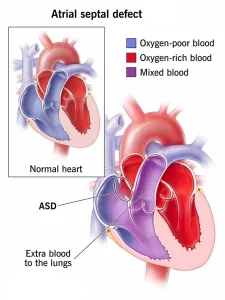
An atrial septal defect, often called ASD, is a heart condition present at birth. It is a type of congenital heart defect in which there is a hole in the wall that separates the two upper chambers of the heart, known as the atria. This opening allows oxygen-rich blood from the left atrium to mix with oxygen-poor blood in the right atrium, increasing the amount of blood flowing to the lungs.
Small atrial septal defects may be discovered incidentally during routine examinations and often do not cause health problems. Some small defects may close on their own during infancy or early childhood. Larger or long-standing atrial septal defects, however, can place extra strain on the heart and lungs over time.
If left untreated, a significant atrial septal defect can lead to serious complications involving the heart and pulmonary circulation. In such cases, medical monitoring or surgical repair may be recommended to prevent long-term damage.
Symptoms
Many babies born with an atrial septal defect have no noticeable symptoms. In some individuals, symptoms do not appear until adolescence or adulthood, especially if the defect is large.
Symptoms of atrial septal defect may include:
-
Shortness of breath, particularly during physical activity or exercise
-
Fatigue or easy tiring, especially with exertion
-
Swelling of the legs, feet or abdomen
-
Irregular heartbeats, also known as arrhythmias
-
Sensations of skipped, rapid, pounding or fluttering heartbeats, called palpitations
The severity of symptoms often depends on the size of the defect and how long it has been present.
Causes
The exact cause of atrial septal defect is not fully understood. The condition develops while a baby’s heart is forming during pregnancy. It involves abnormal development of the atrial septum, the wall that separates the upper chambers of the heart.
Several factors may contribute to the development of congenital heart defects such as atrial septal defect, including:
-
Changes or variations in certain genes
-
Maternal medical conditions during pregnancy
-
Exposure to specific medications
-
Smoking during pregnancy
-
Alcohol misuse during pregnancy
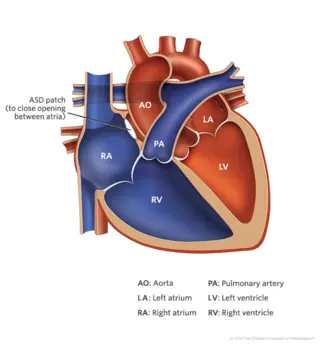
Understanding how the heart normally works can help explain the impact of an atrial septal defect. In a healthy heart, the right side pumps blood to the lungs to receive oxygen, while the left side pumps oxygen-rich blood to the rest of the body. A significant atrial septal defect allows excess blood to pass to the lungs, causing the right side of the heart to work harder than normal.
Risk factors
Atrial septal defect occurs during fetal development, and certain factors may increase the risk of a baby being born with this condition or other congenital heart defects.
Risk factors include:
-
German measles, also called rubella, during early pregnancy
-
Diabetes during pregnancy
-
Lupus or other autoimmune conditions
-
Alcohol or tobacco use during pregnancy
-
Cocaine use during pregnancy
-
Use of certain medications during pregnancy, including some used for seizures or mood disorders
-
A family history of congenital heart defects
Some atrial septal defects occur in families. Genetic counseling may help assess the risk of congenital heart defects in future pregnancies if there is a known family history.
Complications
A small atrial septal defect may never cause complications and often closes on its own during infancy. Larger defects, especially if untreated, can lead to serious health problems over time.
Possible complications include:
-
Right-sided heart failure due to prolonged strain on the heart
-
Irregular heart rhythms, including atrial fibrillation
-
Stroke caused by abnormal blood flow or clot formation
-
Pulmonary hypertension, which is high blood pressure in the arteries of the lungs
-
Permanent lung damage in severe cases, known as Eisenmenger syndrome
-
Reduced life expectancy in advanced cases
Appropriate treatment and regular follow-up can prevent or reduce the risk of many of these complications.
Prevention
Because the exact cause of atrial septal defect is not always known, complete prevention may not be possible. However, good prenatal care can reduce the risk of congenital heart defects and improve outcomes.
Preventive measures and planning include:
-
Receiving regular prenatal care throughout pregnancy
-
Managing chronic conditions such as diabetes or lupus under medical supervision
-
Avoiding alcohol, tobacco and illicit drugs during pregnancy
-
Reviewing medications with a healthcare professional before and during pregnancy
-
Discussing family history of heart defects with a healthcare provider
-
Considering genetic counseling if congenital heart defects run in the family
-
Ensuring immunity to German measles through vaccination before pregnancy
Individuals born with an atrial septal defect should have a medical evaluation before becoming pregnant, as large defects or related complications can increase pregnancy risks. Proper planning and medical guidance can help ensure safer outcomes for both parent and baby.
Advertisement
