
Overview
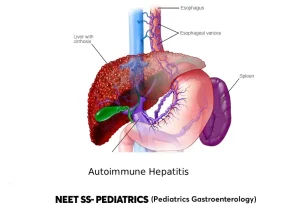
Autoimmune hepatitis is a liver disease in which the body’s immune system attacks the liver, causing inflammation, irritation, and damage. The exact cause is unclear, but a combination of genetic and environmental factors appears to trigger the disease over time.
If left untreated, autoimmune hepatitis can lead to liver scarring, known as cirrhosis, and may eventually result in liver failure. Early diagnosis and treatment with medicines that suppress the immune system often help control the disease. In severe cases where medications are ineffective or liver disease is advanced, a liver transplant may be considered.
Products & Services
A Book: Mayo Clinic Family Health Book
Symptoms
Symptoms of autoimmune hepatitis vary and may appear suddenly. Some people have few or no symptoms in the early stages, while others may experience:
-
Fatigue
-
Abdominal discomfort
-
Yellowing of the skin and eyes (jaundice)
-
Enlarged liver
-
Irregular blood vessels on the skin (spider angiomas)
-
Skin rash
-
Joint pain
-
Loss of menstrual periods
When to see a doctor
Consult a healthcare professional if you notice any symptoms that concern you. Early evaluation and treatment can prevent complications.
Causes
Autoimmune hepatitis occurs when the immune system, which normally protects the body from infections, mistakenly attacks liver cells. This leads to chronic inflammation and damage. Researchers believe that a combination of genetic predisposition and exposure to viruses or medications may trigger the disease.
Types of autoimmune hepatitis include:
-
Type 1 autoimmune hepatitis: The most common type, affecting people of any age. About half of those with type 1 also have other autoimmune conditions, such as celiac disease, rheumatoid arthritis, or ulcerative colitis
-
Type 2 autoimmune hepatitis: Most common in children and young people, though adults can also develop it. This type may also occur alongside other autoimmune diseases
Risk factors
Factors that may increase the risk of autoimmune hepatitis include:
-
Being female, as the disease is more common in women
-
Genetic predisposition or family history of autoimmune diseases
-
Having an existing autoimmune disorder, such as celiac disease, rheumatoid arthritis, or thyroid disease (Graves’ disease or Hashimoto thyroiditis)
Complications
Untreated autoimmune hepatitis can cause permanent liver damage (cirrhosis) and related complications:
-
Esophageal varices: Enlarged veins in the esophagus that may rupture and cause life-threatening bleeding
-
Ascites: Fluid accumulation in the abdomen, which can be uncomfortable and affect breathing, often indicating advanced cirrhosis
-
Liver failure: Extensive liver cell damage prevents the liver from functioning properly, potentially requiring a transplant
-
Liver cancer: Cirrhosis increases the risk of developing liver cancer
Prevention
Autoimmune hepatitis cannot always be prevented. Early detection and management of autoimmune conditions, as well as regular monitoring of liver health, can help reduce the risk of severe complications.
Advertisement
