
Overview
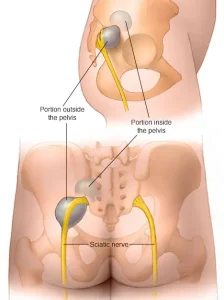
Benign peripheral nerve tumors are noncancerous growths that develop from the cells surrounding or forming peripheral nerves. Peripheral nerves connect the brain and spinal cord to the rest of the body and are responsible for movement, sensation, and autonomic functions. These tumors grow slowly and do not spread to other parts of the body.
Common types include schwannomas and neurofibromas. While many benign peripheral nerve tumors cause no symptoms, others may lead to pain, numbness, or weakness depending on their size and location.
Symptoms
Symptoms vary based on the nerve involved and the size of the tumor. Some people remain symptom-free for long periods.
Possible symptoms include:
-
A noticeable lump under the skin
-
Localized pain or aching
-
Tingling or numbness in the affected area
-
Muscle weakness
-
Sensitivity to touch
-
Reduced movement or coordination if a motor nerve is affected
Symptoms usually develop gradually as the tumor grows.
Causes
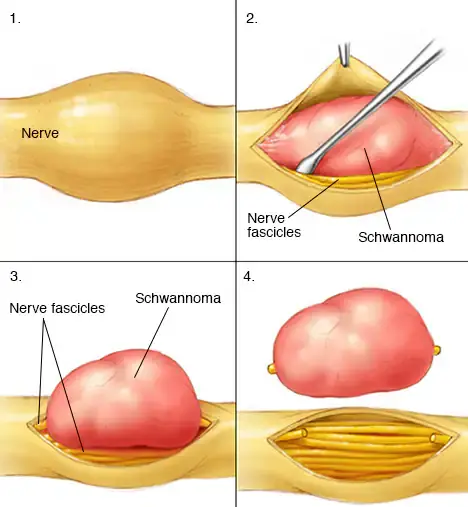
The exact cause of benign peripheral nerve tumors is often unknown. They arise from abnormal growth of nerve-supporting cells.
Possible causes include:
-
Genetic mutations affecting nerve cells
-
Inherited conditions such as neurofibromatosis
-
Spontaneous cell growth without a clear trigger
These tumors are not caused by injury or lifestyle factors and are not contagious.
Risk factors
Certain factors increase the likelihood of developing benign peripheral nerve tumors.
Risk factors include:
-
Genetic disorders such as neurofibromatosis type 1 or type 2
-
Family history of nerve tumors
-
Increasing age
-
Previous exposure to radiation therapy in rare cases
Most cases occur sporadically without identifiable risk factors.
Complications
Although benign, these tumors can cause complications by pressing on nearby nerves or tissues.
Possible complications include:
-
Chronic nerve pain
-
Persistent numbness or tingling
-
Muscle weakness or loss of function
-
Difficulty with coordination or movement
-
Rare transformation into malignant nerve tumors in high-risk genetic conditions
Early evaluation helps prevent long-term nerve damage.
Prevention
There is no known way to prevent benign peripheral nerve tumors. Management focuses on monitoring and early intervention when needed.
Helpful measures include:
-
Regular medical follow-up for individuals with genetic risk factors
-
Imaging studies to monitor tumor growth when advised
-
Prompt medical evaluation of new lumps or nerve-related symptoms
-
Physical therapy to maintain strength and function if affected
With appropriate monitoring and treatment, most benign peripheral nerve tumors can be managed effectively.
Advertisement
