
Overview
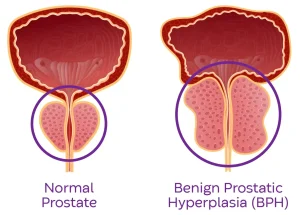
Benign prostatic hyperplasia, commonly known as BPH, is a noncancerous enlargement of the prostate gland. The prostate is a small gland located below the bladder and surrounds the urethra, the tube that carries urine out of the body. As the prostate enlarges, it can press against the urethra and affect normal urine flow.
BPH is a common condition in aging men. It is not prostate cancer and does not increase the risk of developing prostate cancer, but it can significantly affect quality of life if left untreated.
Symptoms
Symptoms of BPH are primarily related to urinary function and may gradually worsen over time.
Common symptoms include:
-
Frequent need to urinate, especially at night
-
Difficulty starting urination
-
Weak or interrupted urine stream
-
Dribbling at the end of urination
-
Sensation of incomplete bladder emptying
-
Urgency to urinate
-
Straining during urination
The severity of symptoms varies, and some men may have significant prostate enlargement with few symptoms.
Causes
The exact cause of BPH is not fully understood, but it is strongly linked to aging and hormonal changes.
Possible causes include:
-
Changes in testosterone and estrogen levels with age
-
Increased sensitivity of prostate cells to male hormones
-
Natural growth of prostate tissue over time
BPH is not caused by infection, sexual activity, or cancer.
Risk factors
Certain factors increase the likelihood of developing BPH.
Risk factors include:
-
Increasing age, especially after 50 years
-
Family history of prostate problems
-
Obesity and lack of physical activity
-
Chronic medical conditions such as diabetes or heart disease
BPH is rare in younger men and becomes more common with age.
Complications
If BPH is not managed properly, it can lead to complications affecting the urinary system.
Possible complications include:
-
Urinary tract infections
-
Bladder stones
-
Acute urinary retention
-
Kidney damage due to prolonged urine backup
-
Bladder muscle weakening
Early treatment can help prevent these complications.
Prevention
There is no guaranteed way to prevent BPH, but certain lifestyle measures may help reduce symptom severity.
Helpful prevention and management strategies include:
-
Maintaining a healthy weight
-
Staying physically active
-
Limiting caffeine and alcohol intake
-
Avoiding fluids close to bedtime
-
Practicing bladder training techniques
-
Seeking regular medical checkups, especially with increasing age
With appropriate care, most men with BPH can manage symptoms effectively and maintain good quality of life.
Advertisement
