
Overview
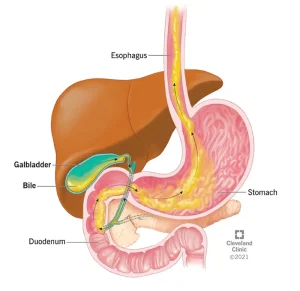
Bile reflux is a condition in which bile, a digestive fluid produced by the liver, flows upward from the small intestine into the stomach and sometimes into the esophagus. Bile helps digest fats, but when it moves in the wrong direction, it can irritate the lining of the stomach and esophagus.
Bile reflux often occurs after stomach or gallbladder surgery, but it can also develop due to problems with the pyloric valve, which normally controls the flow of digestive contents. Unlike acid reflux, bile reflux does not respond well to common acid-reducing medications.
Symptoms
Symptoms of bile reflux may be persistent and can resemble those of acid reflux, though they often feel more severe.
Common symptoms include:
-
Upper abdominal pain that may be severe
-
Frequent heartburn
-
Nausea or vomiting bile, which may appear yellow or green
-
Bitter taste in the mouth
-
Chronic cough or hoarseness
-
Unintended weight loss in some cases
Symptoms may worsen after eating or when lying down.
Causes
Bile reflux occurs when the normal flow of bile is disrupted, allowing it to move backward into the stomach or esophagus.
Common causes include:
-
Complications after stomach or gallbladder surgery
-
Dysfunction of the pyloric valve between the stomach and small intestine
-
Intestinal blockages or ulcers
-
Delayed stomach emptying
These conditions interfere with proper digestive movement and pressure balance.
Risk factors
Certain factors increase the likelihood of developing bile reflux.
Risk factors include:
-
History of gastric or gallbladder surgery
-
Peptic ulcer disease
-
Conditions affecting stomach motility
-
Obesity
-
Chronic digestive disorders
People with severe or long-standing acid reflux may also experience bile reflux.
Complications
If untreated, bile reflux can lead to long-term damage of the digestive tract.
Possible complications include:
-
Chronic gastritis
-
Inflammation and ulceration of the stomach lining
-
Esophagitis
-
Increased risk of Barrett’s esophagus
-
Reduced quality of life due to persistent symptoms
Early diagnosis and management help reduce the risk of complications.
Prevention
Bile reflux cannot always be prevented, but certain measures may help reduce symptoms and recurrence.
Helpful strategies include:
-
Eating smaller, more frequent meals
-
Avoiding lying down immediately after eating
-
Maintaining a healthy body weight
-
Limiting fatty and fried foods
-
Avoiding smoking and alcohol
-
Following medical advice after stomach or gallbladder surgery
Proper evaluation and tailored treatment are important for managing bile reflux effectively.
Advertisement
