
Overview
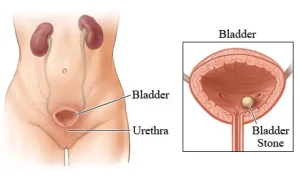
Bladder stones are hard masses of minerals that form in the bladder when urine becomes concentrated. This usually happens when the bladder does not empty completely, allowing minerals in the urine to crystallize and gradually harden. Bladder stones can vary in size and number, ranging from very small particles to large stones that cause significant symptoms.
While bladder stones are more common in older men, they can occur in people of any age, including children. Early diagnosis and treatment help prevent complications and relieve discomfort.
Symptoms
Some bladder stones cause no symptoms, especially when they are small. When symptoms occur, they may include:
-
Lower abdominal pain
-
Pain or burning during urination
-
Frequent urination, especially at night
-
Difficulty starting or stopping urine flow
-
Blood in the urine
-
Cloudy or dark-colored urine
-
Sudden interruption of urine stream
Symptoms often worsen as the stones increase in size or move within the bladder.
Causes
Bladder stones develop when urine remains in the bladder for too long and becomes concentrated. This allows minerals such as calcium to crystallize and form stones.
Common causes include:
-
Incomplete bladder emptying
-
Enlarged prostate in men
-
Nerve damage affecting bladder function
-
Bladder diverticula
-
Urinary tract infections
-
Foreign objects in the bladder
Risk factors
Several factors increase the risk of bladder stone formation, including:
-
Male sex
-
Older age
-
Dehydration
-
Bladder outlet obstruction
-
Long-term use of urinary catheters
-
History of kidney or bladder stones
-
Neurological conditions affecting bladder control
These factors make it more likely for urine to stagnate and form crystals.
Complications
If left untreated, bladder stones can lead to complications such as:
-
Recurrent urinary tract infections
-
Chronic bladder inflammation
-
Persistent urinary discomfort
-
Bladder damage
-
Urinary retention
Prompt treatment usually prevents long-term problems.
Prevention
Preventing bladder stones focuses on addressing underlying causes and maintaining healthy urinary habits. Helpful preventive measures include:
-
Drinking plenty of fluids to keep urine diluted
-
Emptying the bladder completely and regularly
-
Treating prostate enlargement or bladder obstruction
-
Managing urinary infections promptly
-
Following medical advice for bladder or nerve-related conditions
Maintaining good hydration and bladder health can significantly reduce the risk of bladder stones.
Advertisement
