
Overview
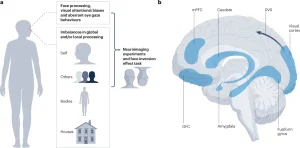
Body dysmorphic disorder is a mental health condition in which a person becomes excessively preoccupied with one or more perceived flaws in their physical appearance. These perceived defects are often minor or not noticeable to others, yet they cause significant distress and interfere with daily life. The condition affects both men and women and often begins during adolescence or early adulthood.
People with body dysmorphic disorder may repeatedly check their appearance, compare themselves to others, or seek reassurance, but these behaviors usually do not relieve their concerns. Without treatment, the condition can become chronic and impact emotional well-being and social functioning.
Symptoms
Symptoms of body dysmorphic disorder vary in severity and may focus on any part of the body. Common symptoms include:
-
Persistent preoccupation with perceived physical flaws
-
Frequent mirror checking or avoiding mirrors altogether
-
Excessive grooming or skin picking
-
Repeatedly seeking reassurance about appearance
-
Comparing appearance with others
-
Avoiding social situations due to appearance concerns
-
Feelings of shame, anxiety, or depression
In some cases, individuals may believe strongly that others are noticing or judging their appearance.
Causes
The exact cause of body dysmorphic disorder is not fully understood. It is believed to result from a combination of biological, psychological, and environmental factors.
Possible contributing causes include:
-
Genetic predisposition
-
Imbalances in brain chemicals
-
Personality traits such as perfectionism
-
Negative body image experiences
-
History of bullying or teasing
These factors may influence how a person perceives and interprets their appearance.
Risk factors
Several factors may increase the risk of developing body dysmorphic disorder, including:
-
Family history of body dysmorphic disorder or other mental health conditions
-
Low self-esteem
-
Perfectionistic tendencies
-
Exposure to unrealistic beauty standards
-
History of emotional trauma or abuse
The disorder often begins in the teenage years, when body image concerns are more common.
Complications
If untreated, body dysmorphic disorder can lead to serious complications, such as:
-
Severe anxiety or depression
-
Social isolation
-
Difficulty maintaining work or relationships
-
Substance misuse
-
Repeated cosmetic procedures without satisfaction
-
Thoughts of self-harm or suicide
Early recognition and treatment are important to reduce the risk of these complications.
Prevention
There is no guaranteed way to prevent body dysmorphic disorder, but certain steps may help reduce risk or support early intervention:
-
Promoting positive body image
-
Encouraging healthy self-esteem from a young age
-
Addressing bullying or teasing promptly
-
Seeking mental health support when appearance concerns interfere with daily life
-
Educating about realistic body standards
Early mental health care can improve outcomes and help individuals manage symptoms more effectively.
Request an appointment
Advertisement
