
Overview
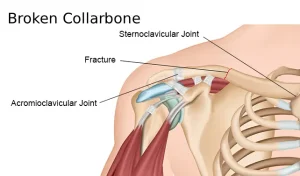
A broken collarbone, also known as a clavicle fracture, is a common injury involving a break in the collarbone that connects the breastbone to the shoulder. This injury often occurs after a fall or direct impact to the shoulder and is seen in children, adolescents, and adults. Most broken collarbones heal well with proper treatment, though recovery time can vary depending on the severity of the fracture.
Symptoms
Symptoms of a broken collarbone usually appear immediately after the injury and may include:
-
Pain in the shoulder or upper chest that worsens with movement
-
Swelling, bruising, or tenderness over the collarbone
-
A visible bump or deformity at the fracture site
-
Difficulty lifting the arm or reduced shoulder movement
-
Grinding or cracking sensation when moving the shoulder
In severe cases, the broken bone may push against the skin or rarely break through it.
Causes
A broken collarbone is typically caused by trauma or force to the shoulder area. Common causes include:
-
Falls onto the shoulder or an outstretched arm
-
Sports injuries, especially in contact sports or cycling
-
Motor vehicle or bicycle accidents
-
Birth-related injuries in newborns
-
Direct blows to the collarbone
Risk factors
Certain factors can increase the likelihood of a broken collarbone:
-
Participation in contact or high-impact sports
-
Lack of protective gear during physical activities
-
Falls, particularly in children and older adults
-
Osteoporosis or weakened bones
-
Previous collarbone fractures
Complications
Most collarbone fractures heal without long-term problems, but complications may occur in some cases:
-
Delayed healing or failure of the bone to heal completely
-
Bone healing in an abnormal position, leading to a visible lump
-
Reduced shoulder strength or range of motion
-
Nerve or blood vessel injury near the fracture
-
Ongoing pain or discomfort
Prevention
Not all collarbone fractures can be prevented, but certain measures may reduce the risk:
-
Wearing appropriate protective equipment during sports and cycling
-
Using seat belts and child safety restraints in vehicles
-
Maintaining bone strength through proper nutrition and exercise
-
Taking steps to prevent falls at home and outdoors
-
Following safety guidelines during physical activities and work
Early diagnosis and appropriate care can support proper healing and help restore normal shoulder function.
Advertisement
