
Overview
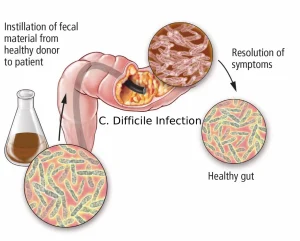
C. difficile infection, also known as Clostridioides difficile infection or CDI, is a bacterial infection that affects the colon. It commonly develops after the use of antibiotics that disrupt the normal balance of gut bacteria. When this balance is altered, C. difficile can grow excessively and produce toxins that cause inflammation of the colon. The condition can range from mild diarrhea to severe, life-threatening colitis, particularly in older adults or individuals with weakened immune systems.
Symptoms
Symptoms of C. difficile infection can vary depending on the severity of the disease and the individual’s overall health. Mild cases may cause manageable digestive discomfort, while severe cases can lead to serious complications.
Common symptoms include:
-
Watery diarrhea occurring multiple times a day
-
Abdominal cramping and pain
-
Nausea and loss of appetite
-
Fever
-
Fatigue and weakness
In more severe cases, symptoms may include:
-
Severe abdominal pain
-
Blood or pus in the stool
-
Dehydration
-
Rapid heart rate
-
Weight loss
Causes
C. difficile infection is caused by the overgrowth of the Clostridioides difficile bacterium in the colon. This usually happens when normal gut bacteria are reduced or eliminated.
Key causes include:
-
Use of antibiotics, especially broad-spectrum antibiotics
-
Exposure to C. difficile spores in healthcare settings
-
Disruption of normal intestinal bacteria balance
The bacteria produce toxins that damage the lining of the colon, leading to inflammation and diarrhea.
Risk Factors
Certain factors increase the likelihood of developing a C. difficile infection, particularly those related to healthcare exposure and immune function.
Major risk factors include:
-
Recent or prolonged antibiotic use
-
Hospitalization or living in long-term care facilities
-
Age over 65 years
-
Weakened immune system due to illness or medications
-
Previous history of C. difficile infection
-
Use of proton pump inhibitors or acid-reducing medications
Complications
If not treated promptly, C. difficile infection can lead to serious and potentially life-threatening complications.
Possible complications include:
-
Severe dehydration
-
Toxic megacolon
-
Colon perforation
-
Sepsis
-
Kidney failure due to fluid loss
-
Recurrent C. difficile infections
Severe cases may require hospitalization and, in rare situations, surgical intervention.
Prevention
Preventing C. difficile infection focuses on reducing exposure to the bacteria and maintaining a healthy balance of gut microorganisms.
Effective prevention measures include:
-
Using antibiotics only when necessary and as prescribed
-
Practicing proper hand hygiene, especially in healthcare settings
-
Thorough cleaning and disinfection of surfaces with appropriate agents
-
Following infection control guidelines in hospitals and care facilities
-
Maintaining overall gut health under medical guidance
Early recognition of symptoms and prompt medical care can also help prevent complications and reduce the spread of infection.
Advertisement
