
Overview
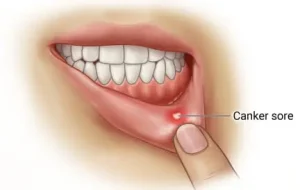
A canker sore, also known as an aphthous ulcer, is a small, painful sore that develops inside the mouth. It typically forms on the inner cheeks, lips, tongue, gums, or the soft palate. Canker sores are not contagious and differ from cold sores, which are caused by a viral infection. Although they often heal on their own within one to two weeks, canker sores can cause significant discomfort, especially while eating or speaking.
Symptoms
Canker sores usually begin with a tingling or burning sensation before the sore becomes visible. The ulcer often has a distinctive appearance.
Common symptoms include:
-
Small, round or oval mouth sores
-
White or yellow center with a red border
-
Pain or burning sensation in the mouth
-
Discomfort while eating, drinking, or talking
In more severe cases, symptoms may include:
-
Multiple sores appearing at once
-
Fever
-
Swollen lymph nodes
-
Fatigue
Causes
The exact cause of canker sores is not fully understood, but several factors are believed to trigger their development.
Possible causes include:
-
Minor injury to the mouth from dental work or biting
-
Emotional stress
-
Food sensitivities, especially to acidic or spicy foods
-
Nutritional deficiencies such as vitamin B12, iron, or folate
-
Hormonal changes
-
Certain underlying medical conditions
Risk Factors
Some individuals are more prone to developing canker sores than others.
Key risk factors include:
-
Family history of canker sores
-
Weakened immune system
-
Poor nutrition
-
High stress levels
-
Gastrointestinal or autoimmune disorders
Canker sores are more common in adolescents and young adults.
Complications
Most canker sores heal without complications, but severe or recurrent cases can cause additional problems.
Potential complications include:
-
Difficulty eating or drinking
-
Dehydration due to pain while swallowing
-
Secondary bacterial infection
-
Reduced quality of life due to frequent recurrence
Persistent or unusually large sores may require medical evaluation.
Prevention
While canker sores cannot always be prevented, certain measures may reduce their frequency and severity.
Preventive strategies include:
-
Avoiding foods that trigger mouth irritation
-
Practicing gentle oral hygiene
-
Managing stress effectively
-
Correcting nutritional deficiencies
-
Using a soft-bristled toothbrush
-
Avoiding trauma to the mouth
Maintaining overall oral and immune health can help lower the risk of recurrent canker sores.
Advertisement
