
Overview
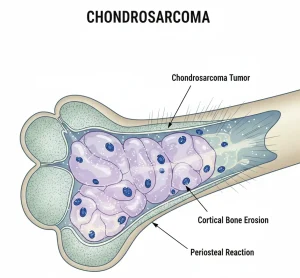
Chondrosarcoma is a rare type of cancer that develops in cartilage cells, the connective tissue that cushions the ends of bones. It most commonly affects the pelvis, hips, shoulders, ribs, and long bones such as the femur or humerus. Chondrosarcoma typically grows slowly but can be aggressive in higher-grade forms. It mainly occurs in adults and is less responsive to chemotherapy and radiation compared to other bone cancers, making early diagnosis and surgical treatment especially important.
Symptoms
Symptoms of chondrosarcoma often develop gradually and may worsen over time as the tumor grows.
Common symptoms include:
-
Persistent bone pain that may worsen at night or with activity
-
Swelling or a noticeable lump near the affected bone
-
Tenderness at the tumor site
-
Reduced range of motion if the tumor is near a joint
In advanced cases, symptoms may include:
-
Bone weakness or fractures
-
Nerve compression symptoms such as numbness or tingling
-
Difficulty walking or using the affected limb
Causes
The exact cause of chondrosarcoma is not fully understood. It arises when cartilage cells begin to grow uncontrollably and form a malignant tumor.
Possible contributing causes include:
-
Genetic mutations affecting cartilage cell growth
-
Malignant transformation of benign cartilage tumors
-
Abnormal bone and cartilage development
Most cases occur sporadically without a clearly identifiable cause.
Risk Factors
Certain factors increase the likelihood of developing chondrosarcoma.
Key risk factors include:
-
Increasing age, most commonly middle-aged and older adults
-
Male sex
-
History of benign cartilage tumors such as enchondromas
-
Genetic conditions affecting bone growth
-
Previous radiation therapy to bones
Complications
Chondrosarcoma can lead to serious complications if not treated effectively.
Possible complications include:
-
Spread of cancer to lungs or other organs
-
Destruction or weakening of affected bones
-
Chronic pain and reduced mobility
-
Recurrence of the tumor after treatment
-
Functional impairment depending on tumor location
High-grade tumors carry a greater risk of aggressive behavior and metastasis.
Prevention
There is no known way to prevent chondrosarcoma, but early detection and monitoring of risk factors may improve outcomes.
Preventive and management strategies include:
-
Regular monitoring of known benign cartilage tumors
-
Prompt evaluation of persistent bone pain or swelling
-
Early imaging and specialist referral when symptoms are unexplained
-
Long-term follow-up after treatment to detect recurrence early
Timely diagnosis and appropriate surgical management play a key role in improving survival and preserving quality of life in individuals with chondrosarcoma.
Advertisement
