
Overview
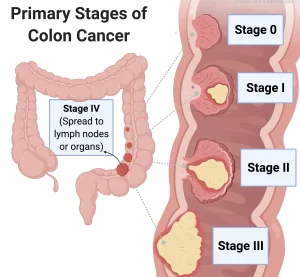
Colon cancer, also known as colorectal cancer, is a type of cancer that begins in the large intestine (colon) or rectum. It typically develops slowly over several years, often starting as benign polyps that may become cancerous over time.
Colon cancer is one of the most common cancers worldwide, but early detection through screening can significantly improve outcomes. The disease can affect both men and women and is more common in people over the age of 50.
Symptoms
Early-stage colon cancer may not cause noticeable symptoms, but as it progresses, common signs may include:
-
Changes in bowel habits, such as diarrhea or constipation
-
Blood in the stool or rectal bleeding
-
Abdominal pain, cramping, or discomfort
-
Unexplained weight loss
-
Fatigue or weakness
-
Feeling of incomplete bowel emptying
-
Narrow or ribbon-like stools
-
Persistent bloating or gas
Symptoms vary depending on the location and size of the tumor.
Causes
Colon cancer develops when normal cells in the colon lining grow uncontrollably due to genetic mutations. These mutations may be inherited or acquired over a person’s lifetime.
Key contributing factors include:
-
Development of adenomatous polyps in the colon
-
Genetic mutations affecting cell growth and repair
-
Inflammatory bowel diseases, such as Crohn’s disease or ulcerative colitis
-
Lifestyle factors that promote chronic inflammation or cell damage
Colon cancer is not contagious.
Risk Factors
Several factors increase the risk of developing colon cancer:
-
Age over 50
-
Family history of colon or rectal cancer
-
Personal history of polyps or inflammatory bowel disease
-
Sedentary lifestyle
-
Diet high in red or processed meats and low in fiber
-
Obesity
-
Smoking and excessive alcohol consumption
-
Certain genetic syndromes, such as Lynch syndrome or familial adenomatous polyposis
Complications
If not detected early, colon cancer can spread and lead to serious complications:
-
Metastasis to the liver, lungs, or other organs
-
Intestinal obstruction
-
Severe bleeding leading to anemia
-
Unintended weight loss and malnutrition
-
Reduced overall survival
Early detection and treatment are crucial for preventing these complications.
Prevention
While not all cases can be prevented, several strategies reduce the risk of colon cancer:
-
Undergoing regular colonoscopy or stool-based screening tests, especially after age 45
-
Eating a high-fiber, balanced diet rich in fruits, vegetables, and whole grains
-
Limiting red and processed meat consumption
-
Maintaining a healthy weight
-
Engaging in regular physical activity
-
Avoiding tobacco use and limiting alcohol intake
-
Managing inflammatory bowel disease with medical guidance
With early detection and lifestyle management, the risk of developing colon cancer and its complications can be significantly reduced.
Advertisement
