
Overview
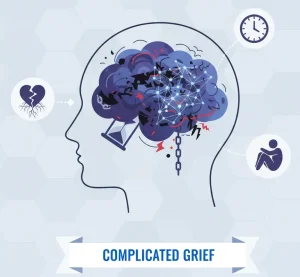
Complicated grief, also known as prolonged grief disorder, is a condition in which intense feelings of loss, sorrow, and emotional pain persist for an extended period after the death of a loved one. Unlike normal grief, which gradually becomes less overwhelming, complicated grief interferes with daily functioning and makes it difficult to accept the loss and move forward with life.
Symptoms
Symptoms of complicated grief are persistent and may significantly affect emotional, mental, and physical well-being. Common symptoms include:
-
Intense longing or yearning for the deceased
-
Persistent sadness, emptiness, or emotional numbness
-
Difficulty accepting the death
-
Preoccupation with thoughts or memories of the loved one
-
Avoidance of reminders of the loss
-
Social withdrawal and loss of interest in daily activities
-
Feelings of guilt, bitterness, or meaninglessness
Causes
Complicated grief may develop when the natural grieving process becomes stalled or intensified. Contributing factors can include sudden or traumatic loss, strong emotional dependence on the deceased, unresolved conflicts, or lack of social support. Individual coping styles, mental health history, and cultural factors may also influence the development of this condition.
Risk Factors
Several factors increase the risk of complicated grief, including:
-
Sudden, unexpected, or violent death of a loved one.
-
Loss of a child, spouse, or primary caregiver.
-
History of depression, anxiety, or post-traumatic stress disorder.
-
Limited emotional or social support.
-
Multiple losses occurring within a short period.
Complications
If left untreated, complicated grief can lead to serious long-term effects:
-
Chronic depression or anxiety disorders.
-
Increased risk of substance misuse.
-
Sleep disturbances and physical health problems.
-
Difficulty maintaining relationships or employment.
-
Increased risk of suicidal thoughts or behaviors.
Prevention
While complicated grief cannot always be prevented, certain measures may reduce its impact:
-
Seeking emotional support from family, friends, or support groups.
-
Allowing adequate time and space to process grief.
-
Accessing professional counseling or grief therapy when needed.
-
Maintaining healthy routines, including sleep, nutrition, and physical activity.
-
Addressing mental health concerns early during the grieving process.
Advertisement
