
Overview
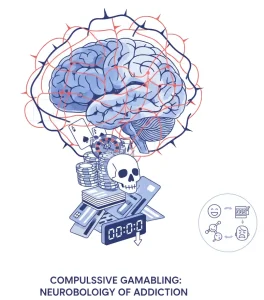
Compulsive gambling, also known as gambling disorder, is a behavioral addiction characterized by an uncontrollable urge to gamble despite negative personal, financial, or social consequences. It involves repeated gambling behavior that disrupts daily life, relationships, and work. Over time, the need to gamble may increase, and individuals may struggle to stop even when they recognize the harm it causes.
Symptoms
Symptoms of compulsive gambling affect emotional well-being, behavior, and daily functioning. Common signs include:
-
Persistent thoughts about gambling or planning the next bet
-
Needing to gamble with increasing amounts of money to feel excitement
-
Repeated unsuccessful attempts to cut back or stop gambling
-
Restlessness, irritability, or anxiety when trying to stop
-
Gambling to escape stress, guilt, or depression
-
Lying to family members or others to hide gambling behavior
-
Financial problems or reliance on others to relieve gambling-related losses
Causes
Compulsive gambling is believed to result from a combination of psychological, biological, and social factors. Changes in brain chemistry related to reward and impulse control play a significant role. Emotional stress, underlying mental health conditions, and exposure to gambling environments may also contribute to the development of the disorder.
Risk Factors
Several factors may increase the risk of developing compulsive gambling:
-
Family history of gambling problems or addiction
-
Mental health disorders such as depression, anxiety, or bipolar disorder
-
Substance use disorders
-
Early exposure to gambling
-
High levels of stress or major life changes
-
Personality traits such as impulsivity or competitiveness
Complications
If left untreated, compulsive gambling can lead to serious consequences:
-
Severe financial debt or bankruptcy
-
Relationship conflicts, separation, or divorce
-
Legal problems related to gambling activities
-
Decline in work or academic performance
-
Increased risk of depression, anxiety, or suicidal thoughts
-
Substance abuse as a coping mechanism
Prevention
While compulsive gambling cannot always be prevented, certain strategies may reduce risk and promote healthier behaviors:
-
Limiting access to gambling opportunities
-
Setting strict financial and time boundaries
-
Learning healthy coping strategies for stress
-
Seeking early help for emotional or mental health concerns
-
Educating individuals and families about the risks of gambling addiction
Advertisement
