
Overview
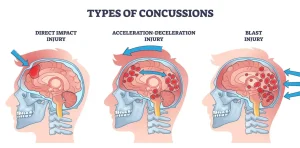
A concussion is a mild traumatic brain injury caused by a blow, bump, or jolt to the head or body that leads to rapid movement of the brain within the skull. This sudden movement can disrupt normal brain function, even without visible injury on imaging tests. Concussions are common in sports, falls, motor vehicle accidents, and everyday activities, and their effects are usually temporary but can be serious if not managed properly.
Symptoms
Concussion symptoms may appear immediately or develop hours to days after the injury. They can affect physical, cognitive, emotional, and sleep-related functions, including:
-
Headache or pressure in the head
-
Dizziness, balance problems, or nausea
-
Confusion, difficulty concentrating, or memory problems
-
Sensitivity to light or noise
-
Blurred or double vision
-
Fatigue or drowsiness
-
Mood changes such as irritability, anxiety, or sadness
-
Sleep disturbances, including sleeping more or less than usual
Causes
A concussion occurs when the brain experiences sudden acceleration or deceleration, causing it to shift or rotate inside the skull. This can result from direct impact to the head or from forces transmitted through the body, such as whiplash. The injury affects brain cells and chemical processes, leading to temporary dysfunction.
Risk Factors
Several factors increase the risk of sustaining a concussion:
-
Participation in contact or high-risk sports
-
History of previous concussions
-
Falls, especially in children and older adults
-
Motor vehicle or bicycle accidents
-
Lack of protective equipment during sports or recreational activities
-
Engaging in activities with a high risk of head injury
Complications
Most people recover fully from a concussion, but complications can occur, particularly with repeated injuries:
-
Prolonged recovery or persistent post-concussion symptoms
-
Difficulty with memory, concentration, or learning
-
Increased sensitivity to future concussions
-
Emotional or behavioral changes
-
Post-concussion syndrome with long-lasting symptoms
-
Rare but serious brain swelling if a second concussion occurs before recovery
Prevention
Although not all concussions can be prevented, certain measures can reduce the risk:
-
Wearing appropriate protective gear such as helmets during sports and cycling
-
Following safety rules and proper techniques in sports
-
Using seat belts and child safety seats in vehicles
-
Preventing falls by maintaining safe home and work environments
-
Seeking medical evaluation after any head injury and allowing full recovery before returning to activities
Advertisement
