
Overview
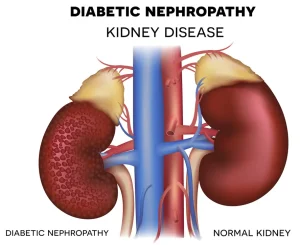
Diabetic nephropathy, also known as diabetic kidney disease, is a chronic complication of diabetes that affects the kidneys’ ability to filter waste and excess fluid from the blood. It develops gradually over time and is a leading cause of chronic kidney disease and kidney failure. Early detection and proper management can slow progression and reduce the risk of serious outcomes.
Symptoms
In the early stages, diabetic nephropathy may cause no noticeable symptoms. As the condition progresses, symptoms may include:
-
Swelling of the feet, ankles, hands, or face
-
Fatigue or weakness
-
Increased need to urinate, especially at night
-
Foamy urine due to protein loss
-
Loss of appetite
-
Nausea or vomiting in advanced stages
-
Difficulty concentrating
-
Shortness of breath
Causes
Diabetic nephropathy occurs due to long-term damage to kidney blood vessels:
-
Prolonged high blood sugar levels
-
Increased pressure within kidney filtering units
-
Thickening and scarring of kidney tissues
-
Chronic inflammation
-
Poorly controlled diabetes
-
Coexisting high blood pressure
Risk Factors
Several factors increase the risk of developing diabetic kidney disease:
-
Long duration of diabetes
-
Poor blood sugar control
-
High blood pressure
-
Family history of kidney disease
-
Smoking
-
Obesity
-
High cholesterol levels
Complications
If untreated or poorly controlled, diabetic nephropathy can lead to:
-
Chronic kidney disease
-
Kidney failure requiring dialysis or transplantation
-
Fluid retention and swelling
-
High blood pressure that is difficult to control
-
Increased risk of cardiovascular disease
-
Anemia
-
Electrolyte imbalances
Prevention
Preventive strategies aim to protect kidney function and slow disease progression:
-
Maintaining good blood sugar control
-
Regular monitoring of kidney function
-
Managing blood pressure effectively
-
Adopting a kidney-friendly diet as advised
-
Avoiding smoking
-
Limiting use of medications that harm the kidneys
-
Seeking early medical care for kidney-related changes
Request an appointment
Advertisement
