
Overview
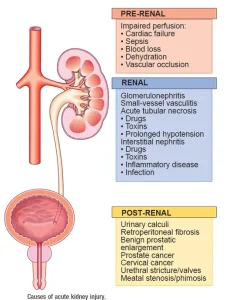
Acute kidney injury occurs when the kidneys suddenly lose their ability to filter waste products from the blood. When this happens, harmful wastes and excess fluids can build up in the body, and the balance of chemicals in the blood can be disrupted.
This condition was previously known as acute kidney failure. Acute kidney injury is most common in people who are hospitalized, particularly those who are seriously ill or require intensive care. The severity can range from mild and temporary to severe and life-threatening.
If acute kidney injury is severe, ongoing, or not treated promptly, it can be fatal. However, in many cases it is reversible. People who were otherwise healthy before the injury may recover typical or near-typical kidney function with proper treatment.
Symptoms
Symptoms of acute kidney injury can vary depending on how quickly the condition develops and how severe it is. Common symptoms include:
-
Decreased urine output
-
Fluid buildup that may cause swelling in the legs, ankles, or feet and shortness of breath
-
Tiredness or fatigue
-
Confusion or difficulty thinking clearly
-
Nausea
-
Pain in the abdomen or in the side below the rib cage
-
General weakness
-
Irregular heartbeat
-
Itching
-
Loss of appetite
-
Chest pain or pressure
-
Seizures or coma in severe cases
In some people, acute kidney injury causes no noticeable symptoms. In these cases, it may be detected through blood or urine tests done for another reason.
Causes
Acute kidney injury can develop for several reasons, often related to reduced blood flow to the kidneys, direct damage to the kidneys, or blockage of urine flow.
One cause is slowed blood flow to the kidneys. This can happen due to dehydration, severe infections with or without sepsis, significant blood or fluid loss, or very low blood pressure. Certain medicines, including some pain relievers and blood pressure drugs, can also reduce blood flow to the kidneys. Conditions such as heart attack, heart failure, liver cirrhosis, severe allergic reactions, and major burns may also contribute.
Direct damage to the kidneys is another cause. This may result from inflammation of the kidney’s filtering units, known as glomerulonephritis. Certain medicines, including some chemotherapy drugs, antibiotics, and imaging contrast dyes, can injure the kidneys. Infections, including those caused by the virus responsible for COVID-19, toxins such as alcohol, heavy metals, or cocaine, and immune system disorders like lupus may also cause kidney damage. Other causes include blood clots in kidney blood vessels, cholesterol deposits blocking kidney blood flow, hemolytic uremic syndrome, scleroderma, thrombotic thrombocytopenic purpura, rhabdomyolysis, and tumor lysis syndrome.
Acute kidney injury can also occur when urine flow is blocked. This may be due to kidney stones, an enlarged prostate, blood clots in the urinary tract, cancers of the bladder, prostate, cervix, or colon, growths pressing on the ureters, or nerve damage that affects bladder control.
Risk factors
Acute kidney injury is usually linked to another illness or medical event. Factors that increase the risk include:
-
Chronic kidney disease
-
Older age, although children can also be affected
-
Hospitalization for serious illness, especially when intensive care is needed
-
Peripheral artery disease
-
Diabetes, particularly if poorly controlled
-
High blood pressure
-
Heart failure
-
Liver disease
-
Certain cancers and cancer treatments
Complications
Acute kidney injury can lead to serious complications, especially if it is severe or prolonged. These complications may include fluid buildup in the lungs, which can cause breathing problems, and inflammation of the lining around the heart, leading to chest pain.
Electrolyte imbalances can cause muscle weakness and heart rhythm problems. In some cases, acute kidney injury results in permanent kidney damage and progression to end-stage renal disease. People with end-stage renal disease require long-term dialysis or a kidney transplant to survive. In severe cases, acute kidney injury can be fatal.
Prevention
You may be able to reduce your risk of acute kidney injury by taking steps to protect kidney health. Prompt treatment of serious infections is important. Working closely with your healthcare team to manage chronic conditions such as kidney disease, diabetes, and high blood pressure can also lower risk.
If you have risk factors for kidney disease, check with your healthcare professional to ensure that prescription medicines are safe for your kidneys. When using over-the-counter pain medicines, always read labels and follow dosing instructions. Taking too much aspirin, acetaminophen, ibuprofen, or naproxen can increase the risk of kidney injury, especially if you already have kidney disease, diabetes, or high blood pressure.
Maintaining a healthy lifestyle can also help. Stay physically active, eat a balanced diet, and limit alcohol intake to moderate amounts.
Advertisement
