
Overview
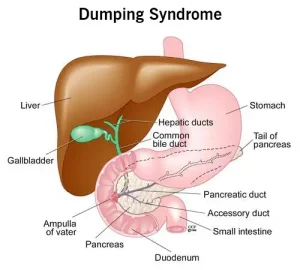
Dumping syndrome is a digestive condition that occurs when food, especially sugar, moves too quickly from the stomach into the small intestine. It is most commonly seen in individuals who have undergone stomach or esophageal surgery. Symptoms can appear shortly after eating or several hours later and may significantly affect quality of life.
Symptoms
Symptoms of dumping syndrome vary depending on the timing after meals:
-
Abdominal cramps or pain
-
Nausea
-
Diarrhea
-
Bloating
-
Feeling overly full after eating
-
Dizziness or lightheadedness
-
Rapid heartbeat
-
Sweating
-
Fatigue or weakness
-
Low blood sugar symptoms in later stages
Causes
Dumping syndrome develops due to altered digestion and stomach emptying:
-
Surgical removal of part of the stomach
-
Gastric bypass or bariatric surgery
-
Esophageal or gastric cancer surgery
-
Loss of normal stomach control over food release
-
Rapid movement of undigested food into the intestine
Risk Factors
Certain factors increase the risk of developing dumping syndrome:
-
History of stomach or esophageal surgery
-
Bariatric surgery for weight loss
-
Eating high-sugar or high-carbohydrate meals
-
Drinking fluids with meals
-
Poor dietary adjustment after surgery
Complications
If dumping syndrome is not well managed, it may lead to:
-
Chronic diarrhea
-
Nutritional deficiencies
-
Weight loss
-
Dehydration
-
Low blood sugar episodes
-
Reduced quality of life
Prevention
Preventive strategies focus on dietary and lifestyle adjustments:
-
Eating smaller, more frequent meals
-
Limiting sugary foods
-
Increasing protein and fiber intake
-
Avoiding drinking fluids during meals
-
Chewing food thoroughly
-
Following dietary guidance after surgery
Advertisement
