
Overview
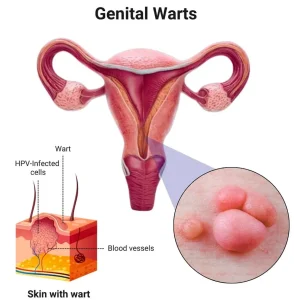
Genital warts are a common sexually transmitted infection caused by certain types of human papillomavirus. They appear as small growths or bumps on the genital or anal areas and can vary in size, shape, and number. Genital warts are usually not life-threatening, but they can cause discomfort, emotional stress, and may recur over time due to the persistence of the virus in the body.
Symptoms
Symptoms of genital warts may be mild or absent, especially in early stages. When present, common symptoms include:
-
Small, flesh-colored or gray growths on the genitals or around the anus
-
Warts that may be flat, raised, or cauliflower-shaped
-
Itching, irritation, or discomfort in the affected area
-
Bleeding during sexual intercourse in some cases
Some individuals may have genital warts without noticing visible lesions.
Causes
Genital warts are caused by infection with specific types of human papillomavirus, most commonly HPV types 6 and 11. The virus spreads through direct skin-to-skin contact during sexual activity, even when no visible warts are present. HPV can infect the genital area, mouth, or throat.
Risk Factors
Several factors increase the risk of developing genital warts, including:
-
Unprotected sexual activity
-
Multiple sexual partners
-
Early sexual activity
-
Weakened immune system
-
History of other sexually transmitted infections
HPV infection is common, and many people may carry the virus without symptoms.
Complications
Although genital warts are generally benign, complications can occur:
-
Recurrence of warts after treatment
-
Emotional distress or anxiety
-
Discomfort during sexual activity
-
Transmission of HPV to sexual partners
Certain HPV types are associated with cancers, but the types causing genital warts are typically low risk for cancer.
Prevention
Genital warts can often be prevented through vaccination and safe sexual practices:
-
Receiving the HPV vaccine before sexual activity begins
-
Using condoms consistently, which can reduce but not eliminate risk
-
Limiting the number of sexual partners
-
Regular health screenings and sexual health checkups
-
Avoiding sexual contact when visible warts are present
Preventive measures are key to reducing the spread of HPV and the development of genital warts.
Request an appointment
Advertisement
