
Overview
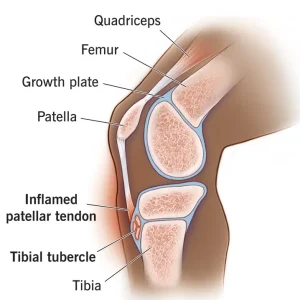
Growing pains are common, benign musculoskeletal pains that typically affect children, usually between the ages of 3 and 12. They are not caused by growth itself, but the discomfort often occurs in the legs during periods of rapid growth or after physical activity. Growing pains usually appear in the evening or at night and resolve by morning. They do not cause long-term damage or affect a child’s ability to walk or play.
Symptoms
-
Aching, throbbing, or cramping pain, usually in the calves, thighs, or behind the knees
-
Pain that occurs mostly in the late afternoon or evening and sometimes wakes the child at night
-
Discomfort affecting both legs (bilateral) rather than just one side
-
No swelling, redness, or tenderness of joints
-
Normal physical activity during the day despite pain
Causes
The exact cause of growing pains is unknown, but several factors may contribute:
-
Muscle fatigue from physical activities like running, jumping, or climbing
-
Overuse of leg muscles during the day
-
Genetic predisposition, as growing pains can run in families
-
Possible link with lower pain threshold in some children
Risk factors
-
Age between 3 and 12 years
-
Active children who participate in sports or frequent physical play
-
Family history of growing pains
-
Children with flat feet or other minor musculoskeletal differences
Complications
Growing pains are generally harmless and do not cause complications. However, persistent or severe pain should be evaluated to rule out other conditions such as:
-
Juvenile arthritis
-
Bone infections
-
Orthopedic abnormalities
-
Inflammatory conditions
Prevention
-
Encourage regular stretching exercises for the legs
-
Ensure children wear supportive footwear
-
Maintain a balanced physical activity routine without overexertion
-
Gentle massage or warm baths to relieve discomfort
-
Adequate hydration and nutrition to support overall musculoskeletal health
Growing pains are temporary and usually resolve as children get older. Comfort measures at home, along with reassurance, are typically sufficient to manage the condition.
Advertisement
