
Overview
Overview
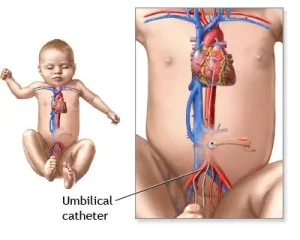
High Blood Pressure in Children, also known as pediatric hypertension, is a condition in which a child’s blood pressure is consistently higher than normal for their age, sex, and height. Although commonly associated with adults, hypertension can affect infants, children, and adolescents.
Blood pressure in children is interpreted differently than in adults. Instead of fixed numbers, healthcare providers compare readings to standardized percentiles based on age, height, and gender. A diagnosis is typically made when a child’s blood pressure is at or above the 95th percentile on repeated measurements.
Pediatric hypertension is becoming more common, largely due to increasing rates of childhood obesity. Early detection is important because high blood pressure during childhood can continue into adulthood and increase the risk of heart and kidney disease later in life.
Symptoms
High blood pressure in children often does not cause noticeable symptoms. Many cases are discovered during routine medical checkups.
When symptoms do occur, especially in severe cases, they may include:
-
Frequent headaches
-
Dizziness
-
Blurred vision
-
Nosebleeds
-
Fatigue
-
Shortness of breath
-
Chest pain
-
Irritability in younger children
Severely elevated blood pressure may lead to more serious symptoms such as confusion, seizures, or difficulty breathing, which require immediate medical attention.
Causes
The causes of high blood pressure in children depend on the child’s age.
Primary hypertension
This type has no single identifiable cause and is more common in older children and teenagers. It is often linked to lifestyle factors such as obesity and physical inactivity.
Secondary hypertension
This type is more common in younger children and is caused by an underlying medical condition.
Common causes of secondary hypertension include:
-
Kidney disease
-
Congenital heart defects
-
Hormonal disorders
-
Certain medications
-
Sleep apnea
-
Genetic conditions
In younger children, hypertension is more likely to be related to kidney or heart problems.
Risk Factors
Several factors increase the risk of high blood pressure in children:
-
Overweight or obesity
-
Family history of hypertension
-
High-sodium diet
-
Sedentary lifestyle
-
Type 1 or Type 2 diabetes
-
High cholesterol
-
Premature birth or low birth weight
-
Chronic kidney disease
Adolescents who smoke or consume alcohol are also at increased risk.
Complications
If left untreated, high blood pressure in children can cause long-term damage to vital organs.
Possible complications include:
-
Heart enlargement
-
Increased risk of heart disease in adulthood
-
Kidney damage
-
Vision problems
-
Stroke in severe cases
Early hypertension can accelerate the development of cardiovascular disease later in life.
Prevention
Preventing high blood pressure in children focuses largely on promoting healthy lifestyle habits from an early age.
Preventive measures include:
-
Maintaining a healthy weight
-
Encouraging regular physical activity
-
Limiting screen time
-
Providing a balanced diet rich in fruits, vegetables, and whole grains
-
Reducing salt intake
-
Avoiding sugary drinks
-
Ensuring regular medical checkups
Parents should monitor their child’s growth and overall health and seek medical advice if there are concerns about blood pressure or related risk factors. Early intervention can significantly reduce the risk of long-term health complications.
Request an appointment
Advertisement
