
Overview
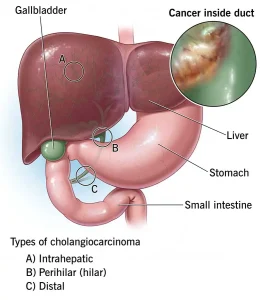
Hilar Cholangiocarcinoma, also known as perihilar cholangiocarcinoma or Klatskin tumor, is a rare type of cancer that develops in the bile ducts at the point where the right and left hepatic ducts join outside the liver. These bile ducts carry bile from the liver to the small intestine to help digest fats.
Hilar cholangiocarcinoma is the most common type of bile duct cancer. It typically grows slowly but is often diagnosed at an advanced stage because early symptoms may be mild or nonspecific. The tumor can block bile flow, leading to jaundice and other complications.
Early detection and specialized treatment are important for improving outcomes.
Symptoms
Symptoms usually occur when the tumor obstructs the bile ducts and interferes with bile drainage.
Common symptoms include:
-
Yellowing of the skin and eyes (jaundice)
-
Dark-colored urine
-
Pale or clay-colored stools
-
Itchy skin
-
Abdominal pain, especially in the upper right side
-
Unexplained weight loss
-
Loss of appetite
-
Fatigue
-
Fever in cases of infection
Jaundice is often the first noticeable sign and may progressively worsen.
Causes
The exact cause of hilar cholangiocarcinoma is not fully understood. It develops due to abnormal growth of cells lining the bile ducts. Chronic inflammation and long-term damage to the bile ducts are believed to increase the risk of malignant transformation.
Cancer develops when genetic mutations cause bile duct cells to grow uncontrollably and form a tumor. Over time, the tumor can invade nearby blood vessels, liver tissue, and lymph nodes.
Risk Factors
Several factors increase the risk of developing hilar cholangiocarcinoma:
-
Primary sclerosing cholangitis
-
Chronic bile duct inflammation
-
Bile duct cysts
-
Parasitic liver infections in certain regions
-
Chronic liver disease
-
Cirrhosis
-
Exposure to certain toxins
-
Increasing age
-
Family history of bile duct cancer
Primary sclerosing cholangitis is one of the strongest known risk factors.
Complications
If left untreated, hilar cholangiocarcinoma can lead to serious complications.
Possible complications include:
-
Severe bile duct obstruction
-
Recurrent cholangitis (bile duct infection)
-
Liver failure
-
Spread of cancer to lymph nodes or distant organs
-
Blood vessel involvement
-
Malnutrition due to chronic illness
Advanced disease can significantly affect quality of life and overall survival.
Prevention
There is no guaranteed way to prevent hilar cholangiocarcinoma. However, reducing risk factors may help lower the likelihood of developing the disease.
Preventive measures include:
-
Proper management of primary sclerosing cholangitis
-
Treatment of bile duct infections
-
Avoiding exposure to liver toxins
-
Managing chronic liver disease
-
Regular monitoring for high-risk individuals
Early evaluation of persistent jaundice or unexplained liver-related symptoms is important. Individuals with known risk factors should maintain regular follow-up with their healthcare provider for timely detection and intervention.
Advertisement
