
Overview
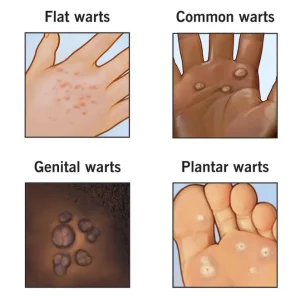
HPV Infection is caused by the Human Papillomavirus (HPV), a very common virus that spreads primarily through skin-to-skin contact, including sexual contact. There are more than 100 types of HPV, and many of them cause no symptoms and resolve on their own.
Some types of HPV can cause genital warts, while others are considered high-risk because they can lead to certain cancers, including cervical, anal, penile, throat, and vaginal cancers. HPV infection is one of the most common sexually transmitted infections worldwide.
Most sexually active individuals will be exposed to HPV at some point in their lives, but the immune system clears most infections without treatment.
Symptoms
Many HPV infections do not cause symptoms and go unnoticed.
When symptoms occur, they may include:
-
Genital warts, which appear as small, flesh-colored or gray growths in the genital or anal area
-
Warts that may be flat, raised, single, or clustered
-
Itching or discomfort in the affected area
-
Bleeding during intercourse in some cases
High-risk HPV types usually do not cause visible symptoms. Instead, they may lead to abnormal cell changes that can progress to cancer over time if untreated.
Causes
HPV infection is caused by the Human Papillomavirus. The virus spreads through direct contact with infected skin or mucous membranes.
Common modes of transmission include:
-
Vaginal, anal, or oral sexual contact
-
Skin-to-skin genital contact without intercourse
-
Rarely, transmission from mother to baby during childbirth
HPV can be transmitted even when an infected person has no visible signs or symptoms.
Risk Factors
Factors that increase the risk of HPV infection include:
-
Multiple sexual partners
-
Unprotected sexual activity
-
Early onset of sexual activity
-
Weakened immune system
-
Having other sexually transmitted infections
-
Smoking
Because HPV is so common, even individuals with a single lifetime partner can become infected.
Complications
While many HPV infections clear spontaneously, certain types can cause serious complications.
Possible complications include:
-
Genital warts
-
Cervical cancer
-
Anal cancer
-
Throat and mouth cancers
-
Penile cancer
-
Vaginal and vulvar cancers
Persistent infection with high-risk HPV types increases the risk of cancer development.
Prevention
HPV infection is largely preventable through vaccination and safe practices.
Preventive measures include:
-
Receiving the HPV vaccine at the recommended age
-
Using condoms during sexual activity
-
Limiting the number of sexual partners
-
Regular cervical cancer screening (Pap tests and HPV testing)
-
Avoiding tobacco use
The HPV vaccine protects against the most common high-risk and wart-causing types. Early vaccination and routine screening significantly reduce the risk of HPV-related cancers.
Advertisement
