
Overview
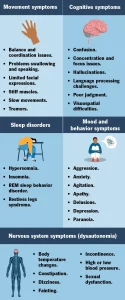
Lewy body dementia is a progressive brain disorder that affects thinking, behavior, movement, and alertness. It is caused by abnormal deposits of a protein called alpha-synuclein, known as Lewy bodies, which build up in the brain and interfere with normal brain function.
Lewy body dementia shares features with both Alzheimer’s disease and Parkinson’s disease. People with this condition may experience changes in memory, attention, movement, and behavior that gradually worsen over time. It is one of the most common types of dementia in older adults.
Symptoms
Symptoms of Lewy body dementia can vary widely from person to person and may fluctuate from day to day. Changes often develop gradually and become more severe as the disease progresses.
Common symptoms include:
-
Changes in thinking, attention, and alertness, including episodes of confusion
-
Visual hallucinations, such as seeing shapes, animals, or people that are not present
-
Parkinsonian movement symptoms, including muscle stiffness, slow movement, and tremors
-
Problems with balance and frequent falls
-
Sleep disturbances, especially acting out dreams during sleep
-
Memory problems that may be less severe early on than in Alzheimer’s disease
-
Mood changes, such as depression, anxiety, or apathy
-
Sensitivity to certain medications, particularly antipsychotic drugs
Fluctuating cognition and vivid hallucinations are key features that help distinguish this condition from other dementias.
Causes
Lewy body dementia is caused by the buildup of Lewy bodies in areas of the brain involved in thinking, movement, and behavior. These protein deposits disrupt the normal functioning of brain cells and lead to their gradual loss.
The exact reason why Lewy bodies form is not fully understood. Genetic factors may play a role in some cases, but most people with Lewy body dementia do not have a strong family history of the condition. The disease process often overlaps with changes seen in Alzheimer’s and Parkinson’s diseases.
Risk factors
Several factors increase the risk of developing Lewy body dementia:
-
Older age, especially over 60 years
-
Male sex
-
Family history of Lewy body dementia, Parkinson’s disease, or dementia
-
Presence of Parkinson’s disease or REM sleep behavior disorder
While these factors increase risk, the condition can still occur without any clear risk factors.
Complications
Lewy body dementia can lead to a number of complications as the disease progresses.
Possible complications include:
-
Increased risk of falls and injuries due to balance and movement problems
-
Difficulty swallowing, increasing the risk of choking or pneumonia
-
Severe reactions to certain medications
-
Worsening confusion and loss of independence
-
Behavioral and psychiatric symptoms that affect daily life and relationships
-
Shortened life expectancy compared to the general population
Careful medical management is important to reduce complications and maintain quality of life.
Prevention
There is no proven way to prevent Lewy body dementia. However, maintaining overall brain and heart health may help reduce the risk of developing dementia-related conditions.
General preventive measures include:
-
Staying physically active
-
Eating a balanced, nutritious diet
-
Managing chronic conditions such as high blood pressure and diabetes
-
Engaging in mentally stimulating activities
-
Maintaining social connections
-
Getting adequate sleep and treating sleep disorders
Early recognition and supportive care can help manage symptoms and improve daily functioning for people living with Lewy body dementia.
Advertisement
