
Overview
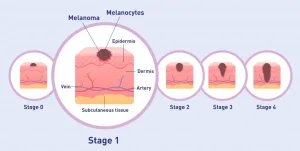
Melanoma is a serious type of skin cancer that develops from melanocytes, the cells responsible for producing melanin, the pigment that gives skin its color. Although melanoma is less common than other skin cancers, it is more aggressive and more likely to spread to other parts of the body if not detected early.
Melanoma can appear anywhere on the skin, including areas not exposed to sunlight, and may also develop in the eyes or, rarely, inside the body. Early diagnosis greatly improves treatment success and survival rates.
Symptoms
Melanoma often begins as a change in an existing mole or the appearance of a new, unusual skin lesion. Symptoms may vary depending on the stage and location.
Common warning signs include:
-
A mole that changes in size, shape, or color
-
Irregular or poorly defined borders
-
Multiple colors or uneven pigmentation within a single lesion
-
A spot that itches, bleeds, or becomes painful
-
A sore that does not heal
-
Dark streaks under fingernails or toenails without injury
Advanced melanoma may cause symptoms such as unexplained weight loss, fatigue, swollen lymph nodes, or pain if it spreads to other organs.
Causes
Melanoma develops when melanocytes undergo abnormal genetic changes that cause uncontrolled cell growth. These changes are most often triggered by damage to skin cell DNA.
Key contributing factors include:
-
Exposure to ultraviolet radiation from sunlight or tanning beds
-
Severe or repeated sunburns, especially during childhood
-
Accumulated DNA damage over time
In some cases, melanoma occurs without significant sun exposure, suggesting genetic and biological factors also play a role.
Risk Factors
Certain factors increase the likelihood of developing melanoma, though it can occur in anyone.
Important risk factors include:
-
Fair skin, light hair, and light-colored eyes
-
History of sunburns
-
Excessive ultraviolet exposure
-
Having many moles or unusual moles
-
Family history of melanoma
-
Weakened immune system
-
Increasing age, though it is also common in younger adults
People with darker skin have a lower risk but are not immune to melanoma.
Complications
If not treated early, melanoma can spread to nearby tissues, lymph nodes, and distant organs, making treatment more complex.
Potential complications include:
-
Metastasis to the lungs, liver, brain, or bones
-
Chronic pain or neurological symptoms
-
Reduced immune function due to advanced disease or treatment
-
Emotional and psychological distress
-
Long-term side effects from surgery, immunotherapy, or targeted treatments
Ongoing medical follow-up is essential to detect recurrence or manage long-term effects.
Prevention
Many cases of melanoma can be prevented by reducing exposure to known risk factors, particularly ultraviolet radiation.
Preventive measures include:
-
Using broad-spectrum sunscreen regularly
-
Wearing protective clothing, hats, and sunglasses
-
Avoiding tanning beds
-
Seeking shade during peak sunlight hours
-
Performing regular skin self-examinations
-
Scheduling routine skin checks with a healthcare professional, especially for high-risk individuals
Early detection through awareness and regular skin monitoring remains one of the most effective ways to reduce melanoma-related complications and deaths.
Advertisement
