
Overview
Mold allergy is an allergic reaction that occurs when the immune system becomes sensitive to mold spores in the environment. Molds are fungi that grow indoors and outdoors, especially in damp, warm, or humid conditions. When mold spores are inhaled, they can trigger allergy symptoms in sensitive individuals.
Mold allergy is common and can affect people of all ages. Symptoms may be seasonal, related to outdoor mold growth, or year-round when exposure occurs indoors.
Symptoms
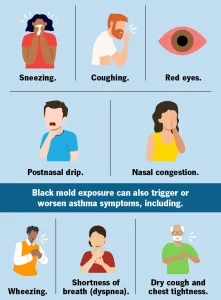
Symptoms of mold allergy are similar to other respiratory allergies and may vary in severity depending on the level of exposure.
Common symptoms include:
-
Sneezing
-
Runny or stuffy nose
-
Itchy nose, throat, or eyes
-
Watery or red eyes
-
Cough
-
Postnasal drip
-
Wheezing or shortness of breath
-
Skin irritation or rash in some cases
In people with asthma, mold exposure can trigger asthma attacks or worsen existing symptoms.
Causes
Mold allergy is caused by an immune system overreaction to mold spores. When spores are inhaled, the immune system releases chemicals such as histamine, leading to allergic symptoms.
Common sources of mold exposure include:
-
Damp or water-damaged buildings
-
Bathrooms, kitchens, and basements
-
Air conditioning and heating systems
-
Outdoor areas with decaying leaves or compost
-
Poorly ventilated spaces
Even small amounts of mold can trigger symptoms in highly sensitive individuals.
Risk Factors
Certain factors increase the likelihood of developing a mold allergy or experiencing more severe symptoms.
Key risk factors include:
-
Family history of allergies or asthma
-
Living or working in damp or mold-prone environments
-
Weakened immune system
-
Existing respiratory conditions such as asthma
-
Prolonged exposure to indoor mold
Children and older adults may be more sensitive to mold-related symptoms.
Complications
If mold allergy is not properly managed, it can lead to complications that affect respiratory health and quality of life.
Possible complications include:
-
Chronic sinus congestion or sinus infections
-
Worsening asthma symptoms
-
Frequent respiratory infections
-
Sleep disturbances due to nasal blockage
-
Reduced daily functioning due to persistent allergy symptoms
Early recognition and control of exposure help reduce the risk of complications.
Prevention
Preventing mold allergy focuses on reducing exposure to mold spores and controlling indoor moisture.
Preventive measures include:
-
Keeping indoor humidity levels low
-
Fixing water leaks promptly
-
Ensuring proper ventilation in bathrooms and kitchens
-
Using exhaust fans or dehumidifiers when needed
-
Cleaning visible mold with appropriate methods
-
Avoiding outdoor activities when mold counts are high
-
Wearing protective gear when cleaning moldy areas
Reducing mold exposure and maintaining a clean, dry environment are key to preventing allergy flare-ups.
Request an appointment
Advertisement
