
Overview
Myalgic encephalomyelitis, also known as chronic fatigue syndrome, is a long-term, complex condition characterized by profound fatigue that does not improve with rest and worsens after physical or mental exertion. The fatigue is severe enough to interfere with daily activities and work.
ME/CFS affects multiple body systems, including the nervous, immune, and cardiovascular systems. The condition can vary in severity, with some people able to manage limited daily activities and others experiencing significant disability. Symptoms often fluctuate over time.
Symptoms
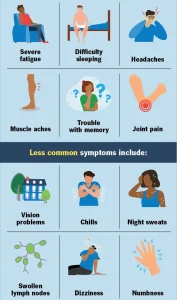
Symptoms of myalgic encephalomyelitis/chronic fatigue syndrome can differ widely between individuals and may change in intensity.
Common symptoms include:
-
Severe, persistent fatigue lasting six months or longer
-
Worsening of symptoms after physical or mental activity
-
Unrefreshing sleep
-
Difficulty concentrating or memory problems
-
Muscle or joint pain without swelling
-
Headaches of a new type or severity
-
Sore throat
-
Tender lymph nodes in the neck or armpits
-
Dizziness or lightheadedness when standing
Symptoms may appear suddenly or develop gradually over time.
Causes
The exact cause of myalgic encephalomyelitis/chronic fatigue syndrome is not known. It is believed to result from a combination of factors rather than a single trigger.
Possible contributing factors include:
-
Viral or bacterial infections
-
Immune system dysfunction
-
Hormonal imbalances
-
Abnormal nervous system responses
-
Genetic susceptibility
-
Physical or emotional stress
In many cases, symptoms begin after an illness, injury, or significant life stressor.
Risk Factors
Certain factors may increase the likelihood of developing myalgic encephalomyelitis/chronic fatigue syndrome.
Key risk factors include:
-
Age, most commonly affecting adults between 20 and 50 years
-
Female sex
-
Family history of similar conditions
-
History of viral infections
-
High levels of physical or emotional stress
The condition can affect people of all ages, including children and adolescents.
Complications
ME/CFS can lead to a range of complications that significantly affect physical, emotional, and social well-being.
Possible complications include:
-
Reduced ability to work or attend school
-
Social isolation
-
Depression or anxiety
-
Increased sensitivity to pain
-
Sleep disturbances
-
Reduced quality of life
Severe cases may result in long-term disability.
Prevention
There is no proven way to prevent myalgic encephalomyelitis/chronic fatigue syndrome because its cause is not fully understood. However, certain measures may help reduce symptom severity or prevent worsening.
Preventive and management strategies include:
-
Pacing activities to avoid overexertion
-
Maintaining consistent sleep routines
-
Managing stress effectively
-
Seeking early medical evaluation for persistent fatigue
-
Following individualized treatment and support plans
-
Building a supportive care network
Early recognition, appropriate management, and lifestyle adjustments play an important role in helping individuals with ME/CFS manage symptoms and maintain the best possible quality of life.
Advertisement
