Wilson’s Disease

admin

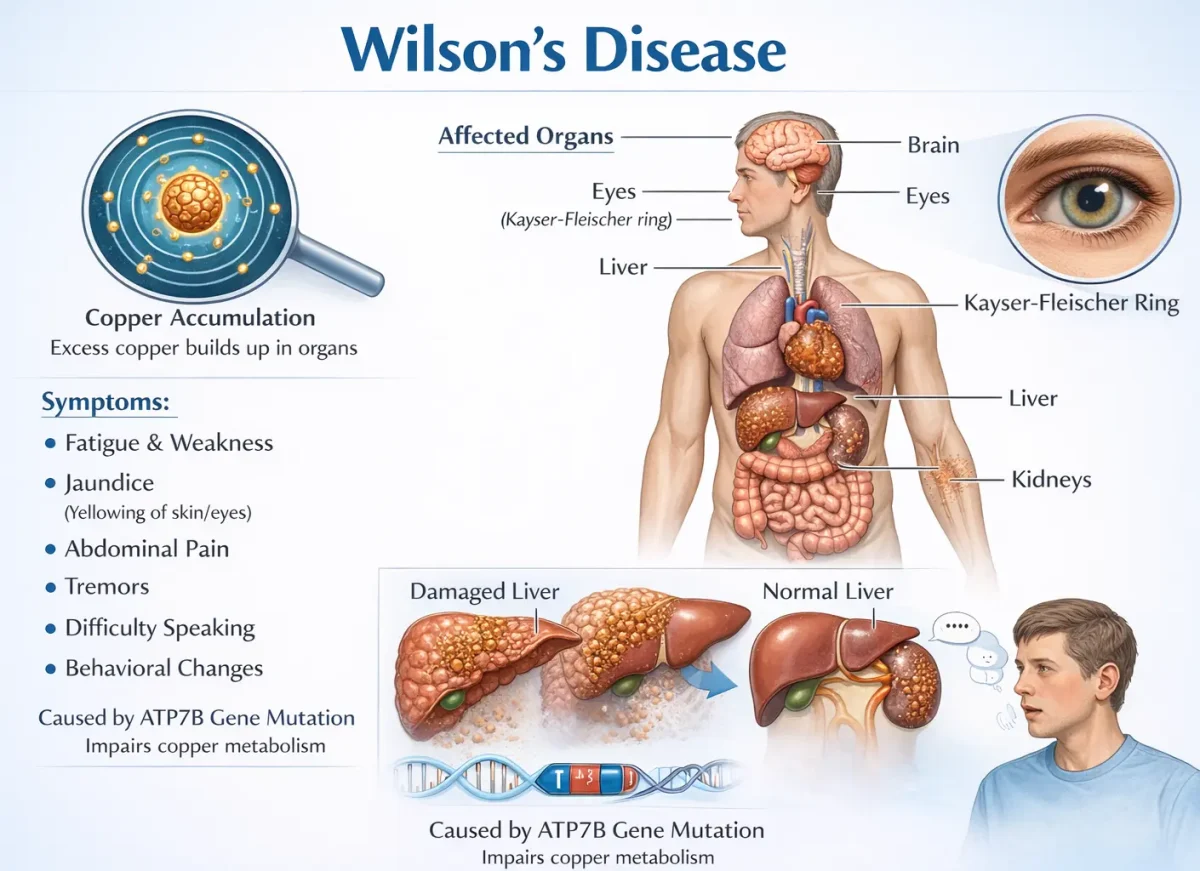
Diagnosis Diagnosing Wilson’s disease can be challenging because its symptoms often resemble those of other liver and neurological disorders. Early detection is crucial to prevent long-term organ damage. A healthcare professional typically reviews medical history, performs a physical exam, and orders specific tests to confirm the diagnosis. Common diagnostic methods include: Blood tests: These measure copper levels, liver function, and …
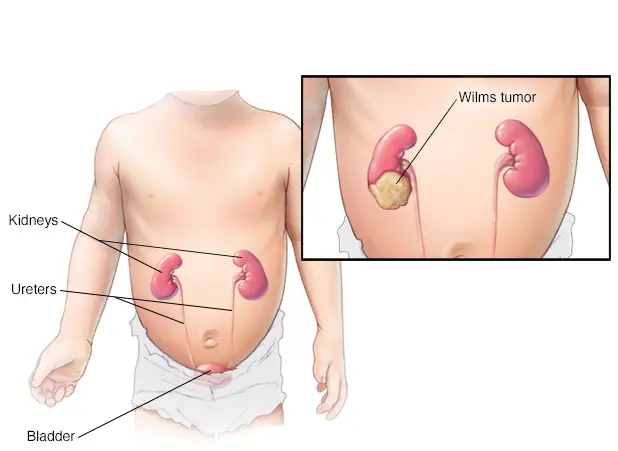
Wilms Tumor

admin

Diagnosis Wilms tumor is diagnosed through a combination of clinical evaluation, laboratory testing, and imaging studies. In some complex cases, a 3D printer may even be used to create a model of the patient’s body to help plan surgery precisely. To diagnose Wilms tumor, healthcare professionals may perform: Physical examination: The doctor checks for swelling, lumps, or other signs that …

Whooping Cough

admin

Diagnosis Whooping cough, also known as pertussis, is diagnosed based on symptoms, clinical examination, and laboratory testing. Because early symptoms often resemble those of a common cold, proper testing is essential for confirmation. Healthcare professionals may use the following methods to diagnose whooping cough: Medical history and symptom review: Persistent coughing fits followed by a “whooping” sound when inhaling, vomiting …

Pediatric White Blood Cell Disorders

Pediatric White Blood Cell Disorders

admin

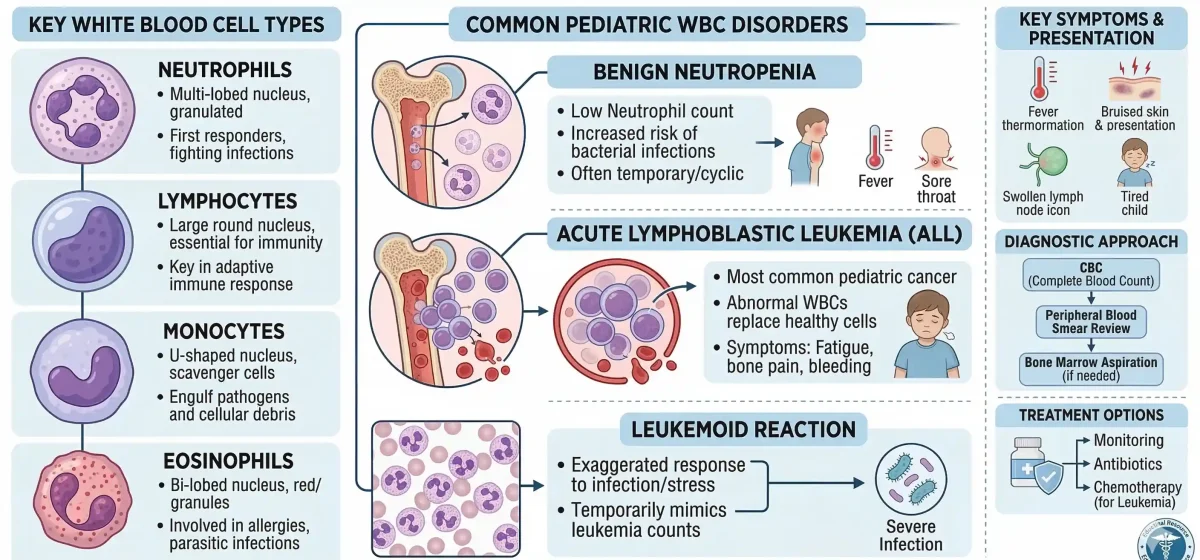
Diagnosis Diagnosis of pediatric white blood cell disorders begins with a detailed medical history and physical exam. Blood tests are essential for identifying these conditions. Depending on the suspected cause, your healthcare professional may order additional tests to confirm the diagnosis and assess overall health. Treatment Treatment for pediatric white blood cell disorders depends on the type of disorder and …

Whipple’s Disease

admin

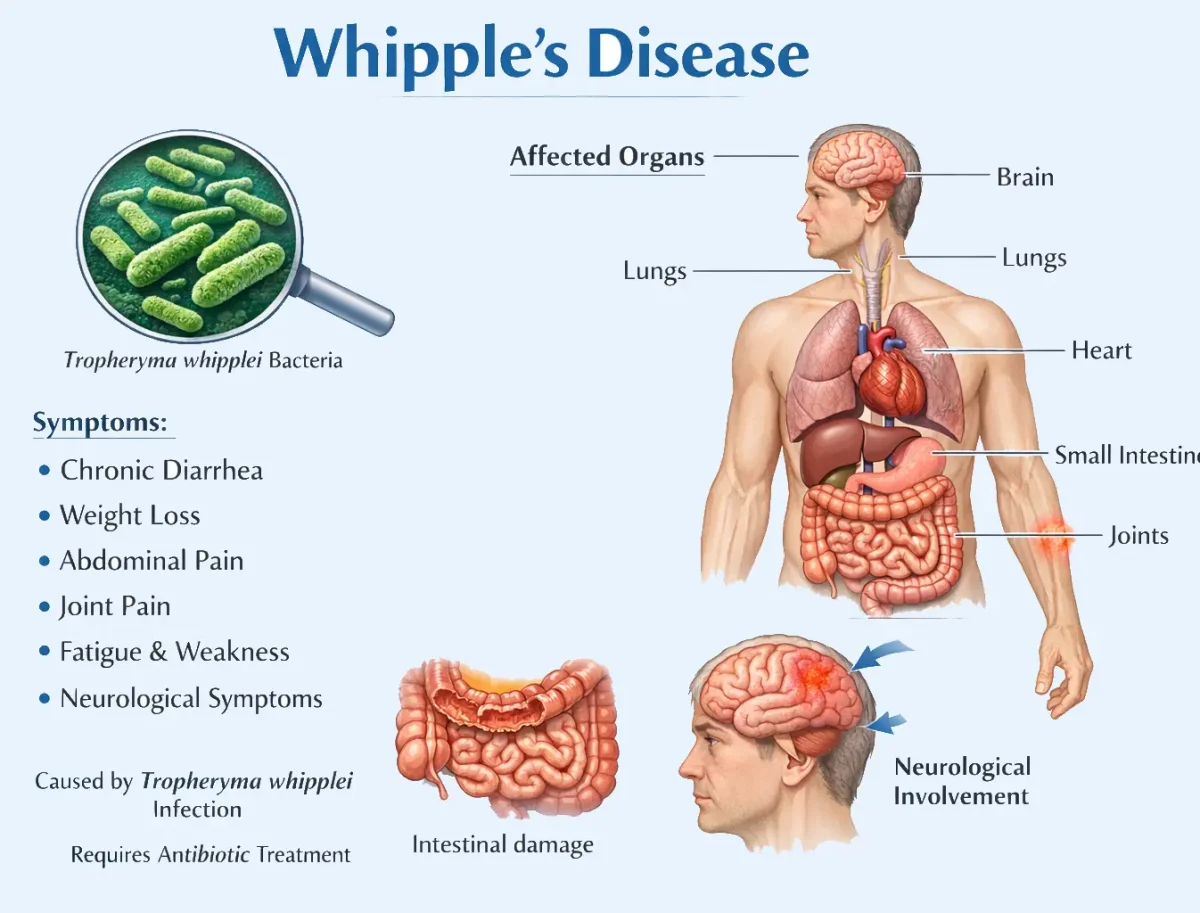
Diagnosis Diagnosing Whipple’s disease can be challenging because its symptoms often resemble those of other conditions such as celiac disease, Crohn’s disease, or rheumatoid arthritis. A healthcare professional will begin with a thorough review of your medical history, symptoms, and a physical exam. To confirm the diagnosis, the following tests may be performed: Tissue biopsy: The most important diagnostic test …

Whiplash

admin

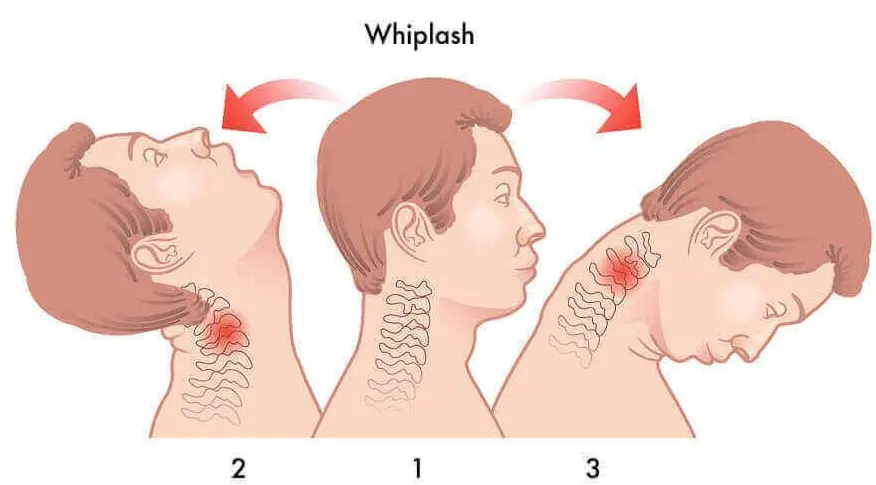
Diagnosis To diagnose whiplash, your healthcare professional will begin by discussing your symptoms and how the injury occurred. A physical examination is then performed to evaluate the range of motion in your neck and shoulders, check for tenderness, and assess any neurological symptoms such as numbness or weakness. Additional tests may be used to rule out other injuries or complications: …

Multiple Endocrine Neoplasia, Type 1 (MEN 1)

admin

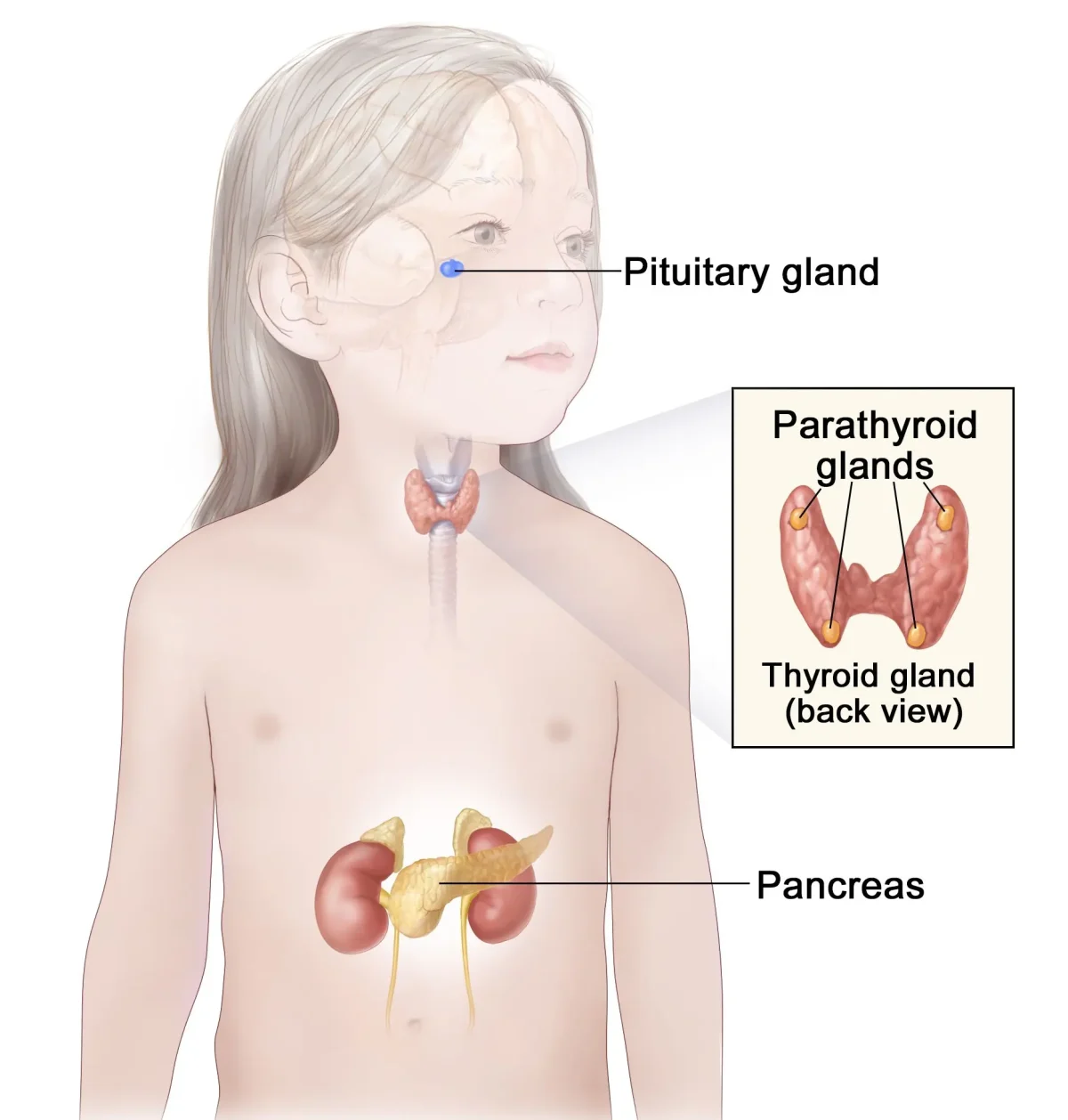
Diagnosis To diagnose multiple endocrine neoplasia, type 1 (MEN 1), your healthcare professional starts with a physical exam and asks about your personal and family health history. Blood tests and imaging studies are often part of the evaluation. Imaging tests may include: • Magnetic resonance imaging (MRI) to create detailed images of organs and tissues• Computerized tomography (CT) scan to …

Granulomatosis with Polyangiitis

admin

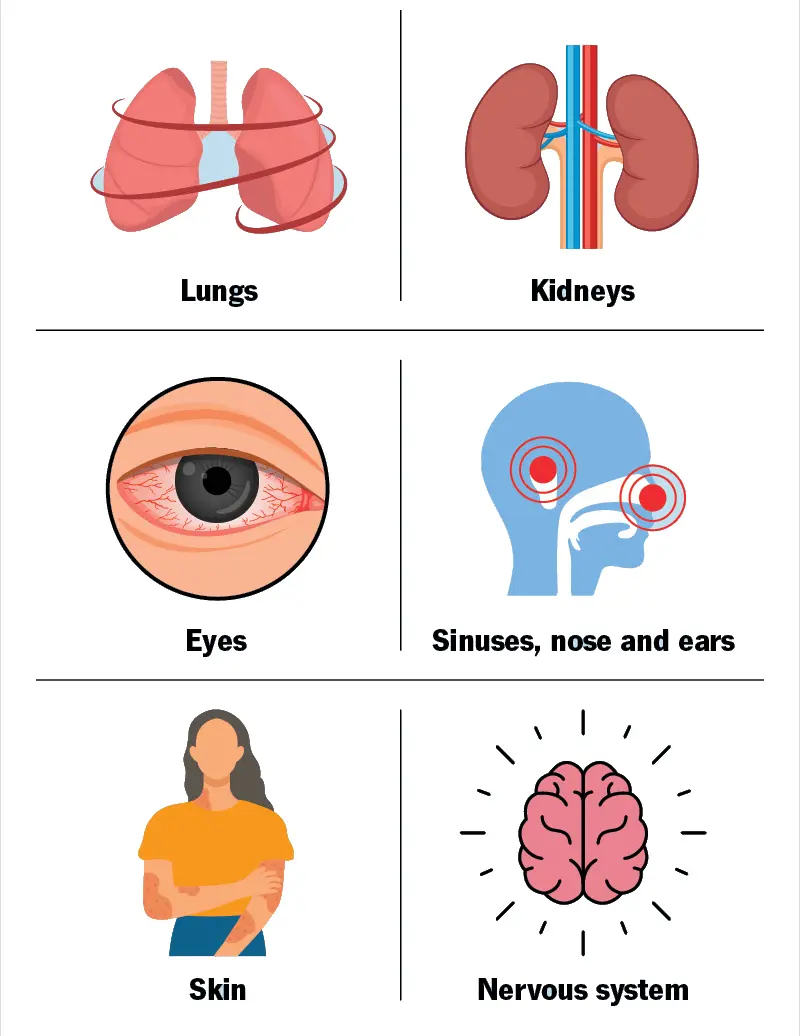
Diagnosis Granulomatosis with polyangiitis (GPA) is diagnosed through a combination of medical history, physical exams, and specialized tests. Lab testsBlood and urine tests may be performed to detect signs of inflammation, immune system activity, and kidney function: C-reactive protein (CRP) and erythrocyte sedimentation rate (sed rate): High levels indicate inflammation Antineutrophil cytoplasmic antibodies (ANCA): Proteins that mistakenly attack white blood …

Swollen Knee

admin

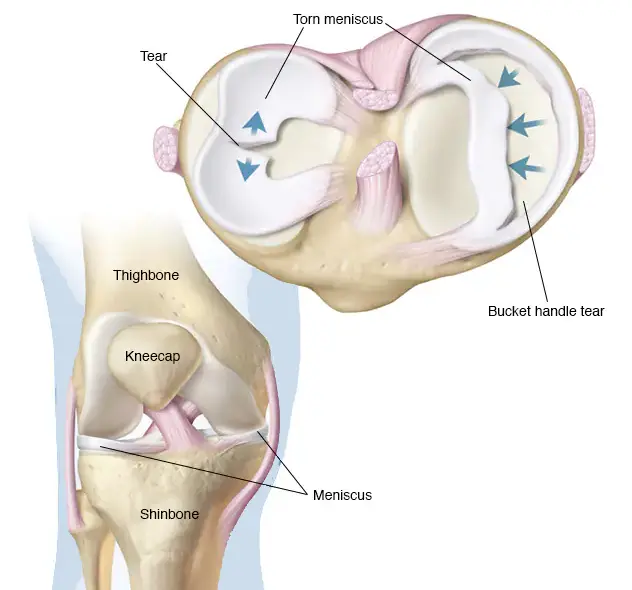
Diagnosis Your healthcare team usually starts with a detailed medical history and a physical examination to evaluate the swollen knee. After that, additional tests may be needed to determine the underlying cause. Imaging tests can help identify the source of swelling: X-ray. Helps rule out broken or dislocated bones and can detect signs of arthritis. Ultrasound. Uses sound waves to …

Plantar Warts

admin

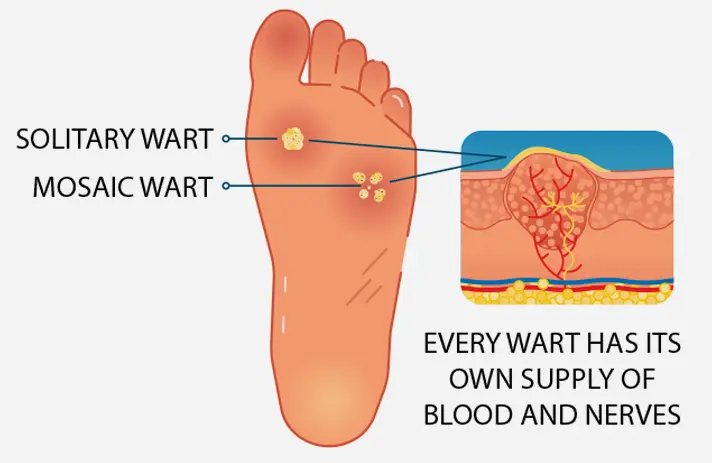
Diagnosis A healthcare provider usually diagnoses a plantar wart by examining it closely. Sometimes the top layer of the wart is cut off to check for tiny clotted blood vessels, which appear as dots. In some cases, a small section of the wart may be sent to a lab for testing to confirm the diagnosis. Treatment Most plantar warts are …