Genital Warts

admin

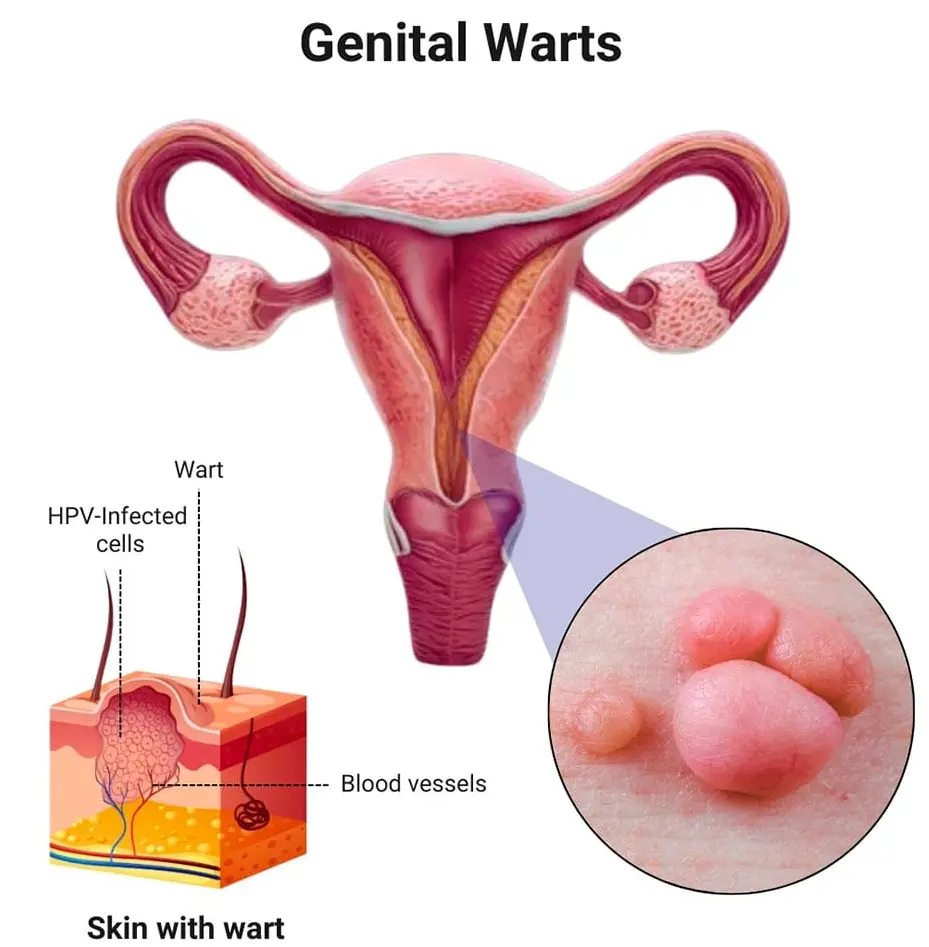
Diagnosis Genital warts are often diagnosed during a routine physical examination by a healthcare professional. In some cases, a small tissue sample may be taken and analyzed in a laboratory. This procedure, known as a biopsy, helps confirm the diagnosis and rule out other conditions. Regular screening is particularly important for women, as certain strains of the human papillomavirus (HPV) …
Common Warts

admin

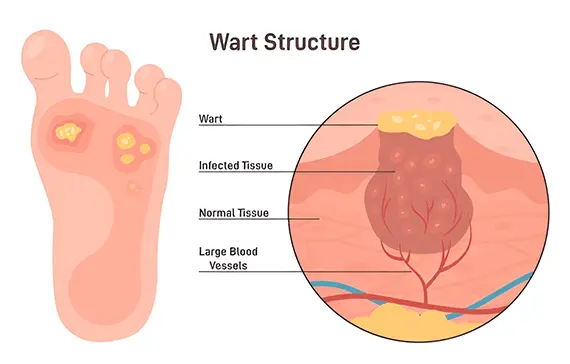
Diagnosis A healthcare professional can usually diagnose common warts simply by looking at them. These skin growths have a rough surface and may contain small black dots, which are tiny, clotted blood vessels. If the diagnosis is uncertain, additional tests may include: Scraping the surface to check for signs of bleeding dots. Skin biopsy in rare cases to rule out …

Waldenstrom Macroglobulinemia

admin

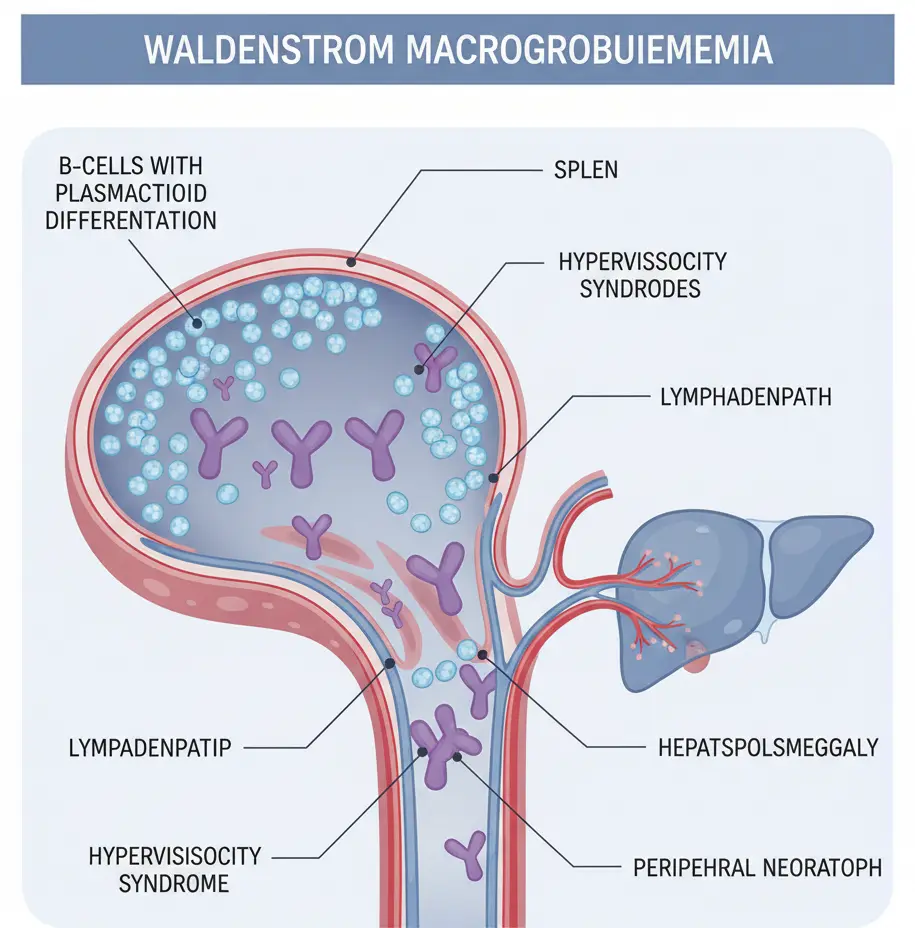
Diagnosis Wet macular degeneration is diagnosed through a comprehensive eye exam and specialized imaging tests that evaluate the retina and macula. Early detection is essential to prevent significant vision loss. A healthcare professional, usually an ophthalmologist, may perform the following: Dilated eye exam: Eye drops are used to widen the pupils, allowing the doctor to examine the retina and macula …

Xanthelasma

admin

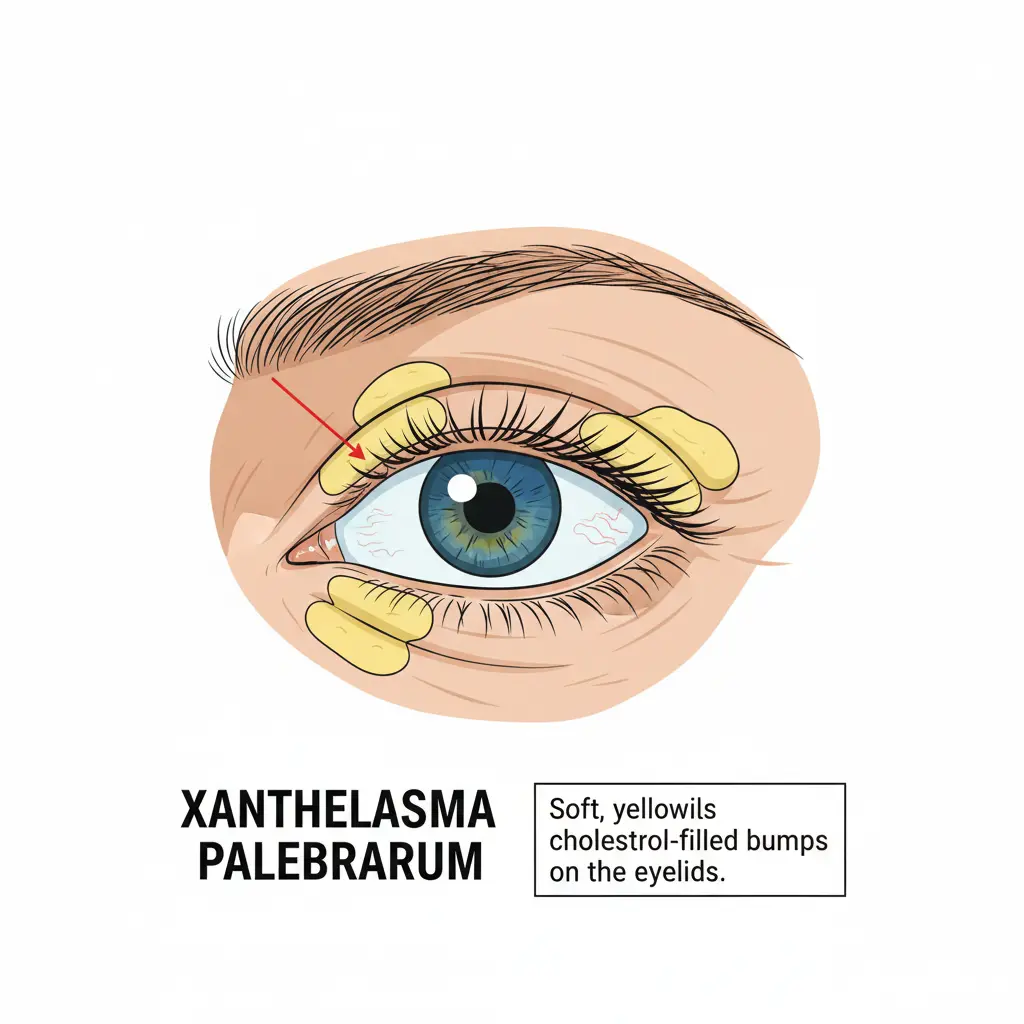
Diagnosis A healthcare professional can usually diagnose xanthelasma by visually examining the characteristic yellowish plaques around the eyelids. These lesions are typically soft, flat, and located on or near the upper or lower eyelids. To identify possible underlying causes, your doctor may recommend blood tests to check lipid levels, including cholesterol and triglycerides. In rare cases, a skin biopsy may …

Xeroderma Pigmentosum (XP)

admin

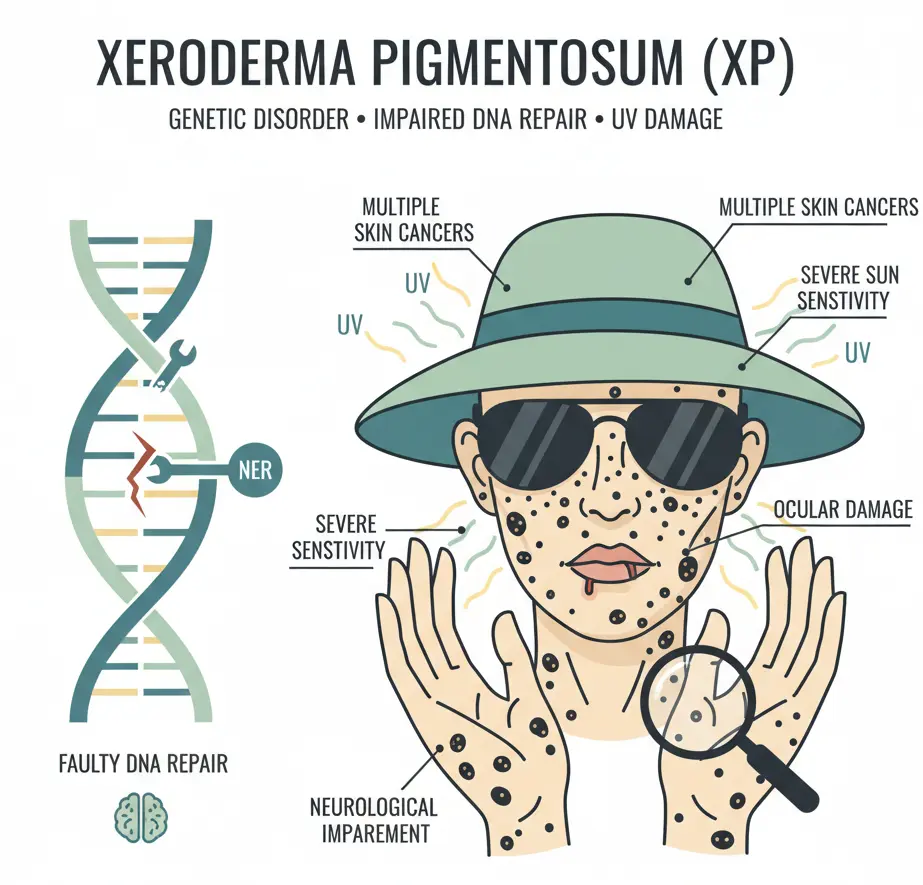
Diagnosis Xeroderma pigmentosum is diagnosed based on a combination of clinical features and genetic testing. A healthcare professional may suspect XP if a child shows extreme sensitivity to sunlight, severe sunburns after minimal exposure, or early development of freckles and pigmentation changes. Laboratory tests can confirm the diagnosis through DNA repair assays that detect defective nucleotide excision repair. Genetic testing …

Xerophthalmia

admin

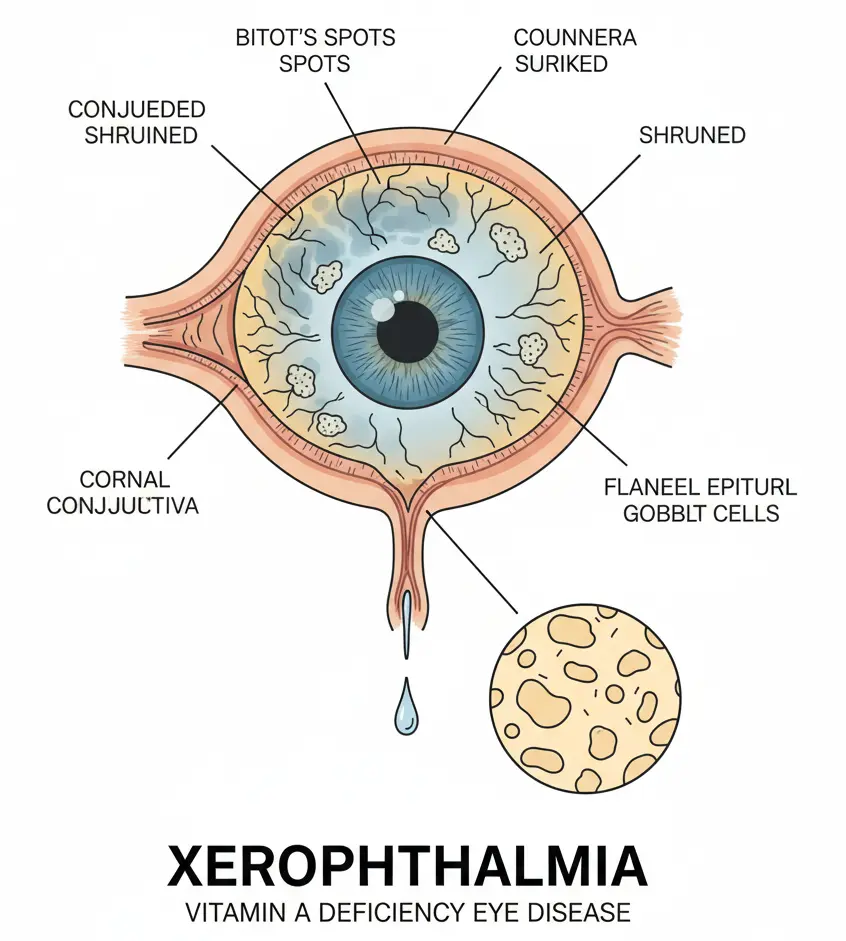
Diagnosis Xerophthalmia is diagnosed through an eye examination and medical history. An ophthalmologist looks for signs of dryness, foamy spots on the conjunctiva (Bitot’s spots), and corneal ulcers. The condition is strongly associated with vitamin A deficiency, so blood tests measuring serum vitamin A levels may be done to confirm the diagnosis. In children, additional evaluation for malnutrition and other …

Dry Skin

admin

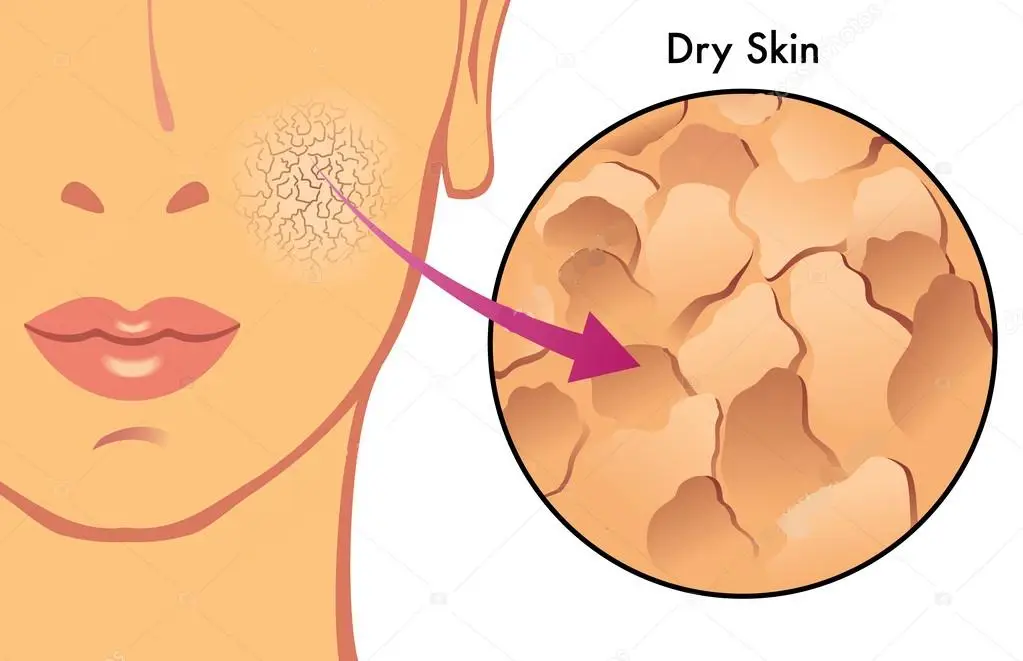
Diagnosis To diagnose dry skin, your doctor will typically perform a physical examination and review your medical history. You may be asked about when the dryness began, any factors that make it better or worse, your bathing routine, and how you currently care for your skin. Sometimes, your doctor may recommend additional tests to check whether your dry skin is …

Dry Mouth

admin

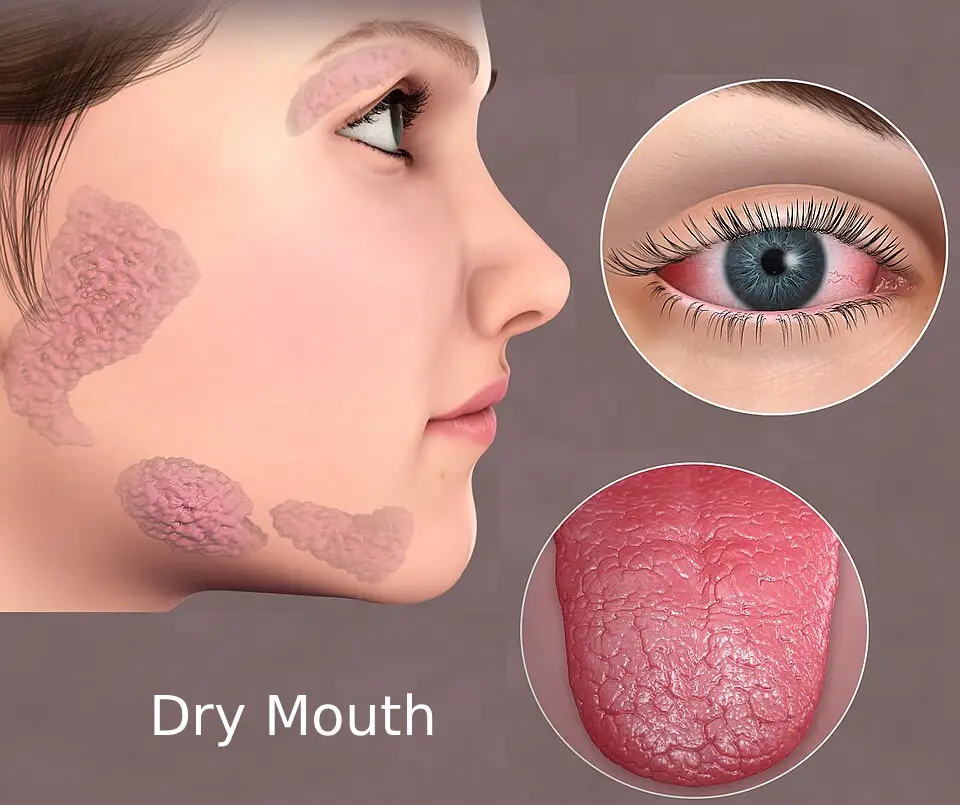
Diagnosis To determine the cause of dry mouth, a healthcare professional begins by reviewing your medical history and the medications you are taking, including both prescription and over-the-counter products. A careful examination of your mouth is also performed to assess moisture levels and overall oral health. In some cases, additional tests may be recommended to identify the underlying cause. These …

X-Linked Agammaglobulinemia

admin

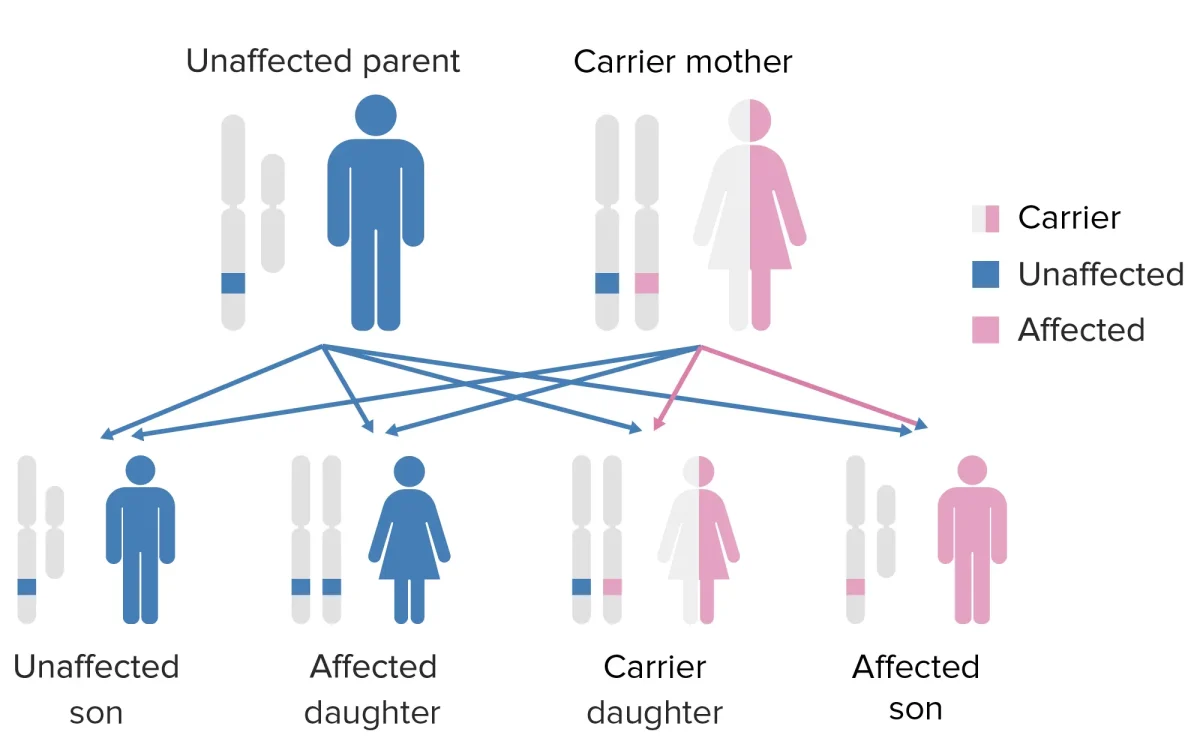
Diagnosis X-Linked Agammaglobulinemia (XLA), also known as Bruton’s agammaglobulinemia, is a rare genetic disorder that affects the immune system’s ability to produce antibodies. It primarily occurs in males due to mutations in the BTK (Bruton’s tyrosine kinase) gene on the X chromosome. Diagnosis is typically made in infancy or early childhood when a child develops frequent or severe infections. The …

XLH (X-Linked Hypophosphatemia)

admin

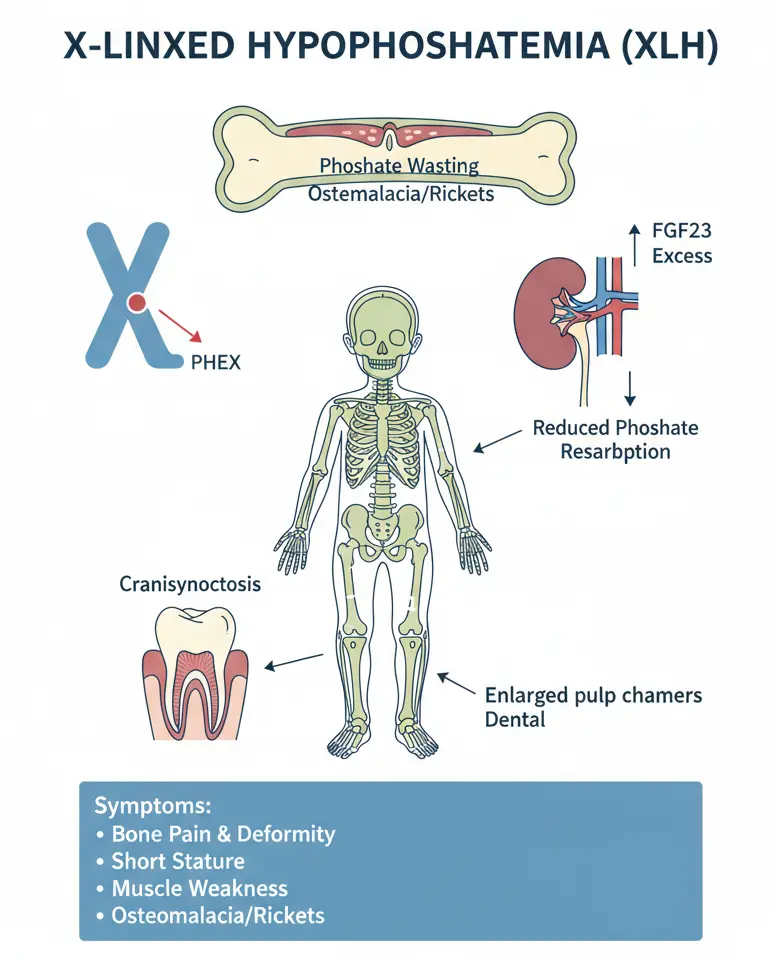
X-Linked Hypophosphatemia, commonly known as XLH, is a rare inherited disorder that affects bone and tooth development. It is caused by abnormal regulation of phosphate in the body, leading to chronically low levels of phosphate in the blood. Phosphate is essential for strong bones and teeth, and long-term deficiency results in impaired bone mineralization. XLH is usually diagnosed in childhood, …