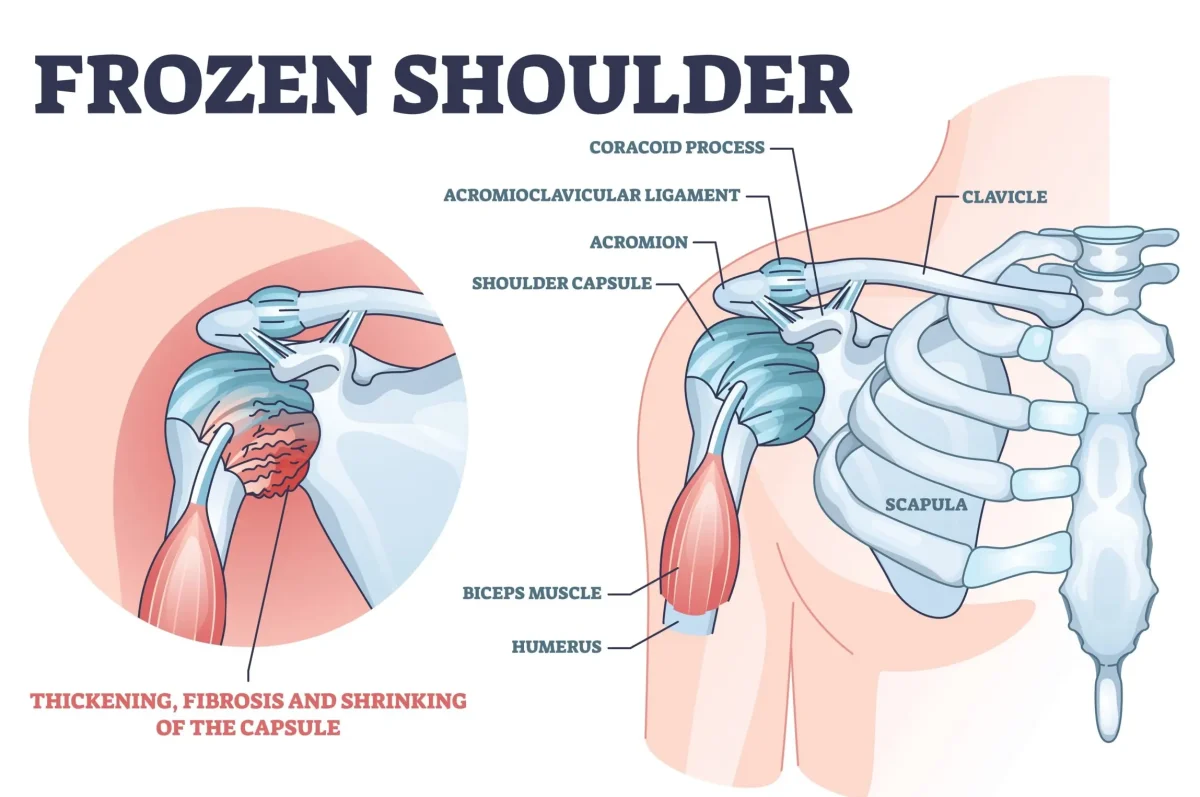
Diagnosis Frozen shoulder is typically diagnosed based on your symptoms and a physical exam. During the exam, a healthcare provider may ask you to move your arm in specific directions to evaluate pain levels and how far you can move your arm. This is called an active range of motion test. Next, the provider may move your arm for you …
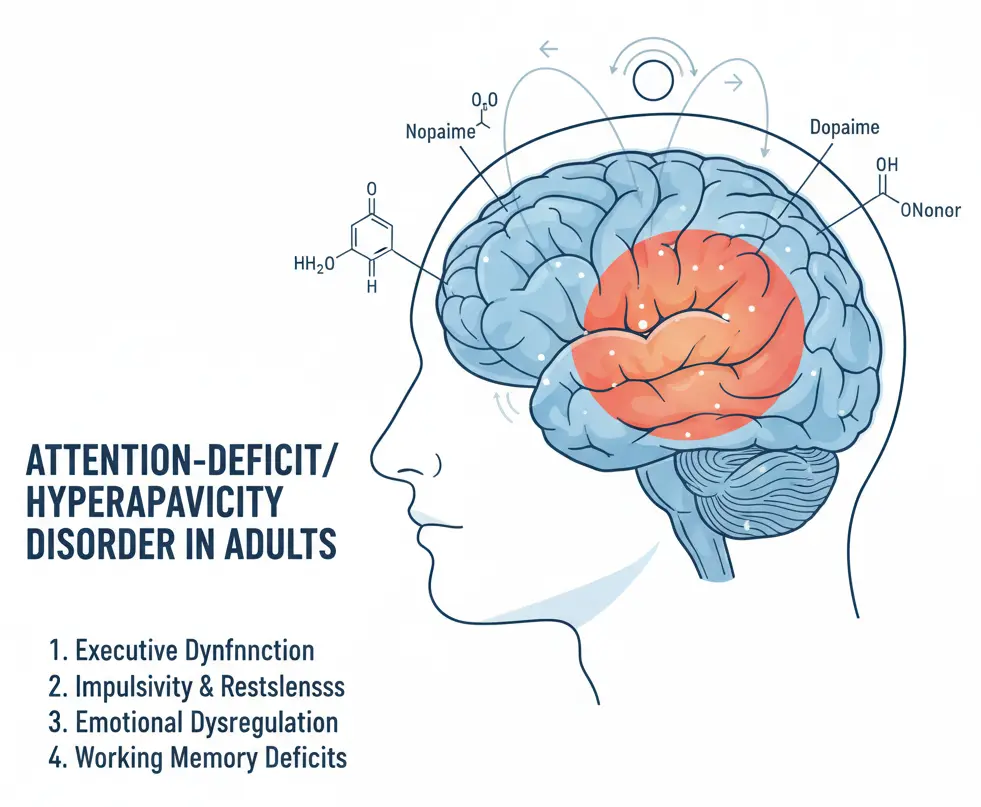
Attention-Deficit/Hyperactivity Disorder in Adults
Diagnosis ADHD in adults can be hard to recognize, but core symptoms usually start before age 12 and continue into adulthood, causing challenges at work, home, and in relationships. There is no single test for ADHD. Diagnosis typically involves: Physical examHelps rule out other medical conditions that may mimic ADHD symptoms. Information gatheringIncludes discussing your current and past medical history, …
Attention-Deficit/Hyperactivity Disorder (ADHD) in Children
Diagnosis ADHD is usually diagnosed when core symptoms begin before age 12 and consistently cause problems at home and school. There is no single test for ADHD; diagnosis typically involves a combination of: Medical examHelps rule out other causes of symptoms, such as sleep disorders, vision or hearing problems, or medical conditions. Information gatheringIncludes reviewing medical history, family history, school …
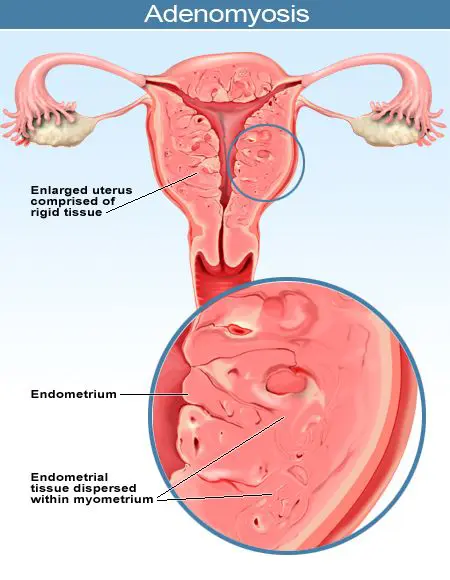
Adenomyosis
Diagnosis of Adenomyosis Adenomyosis shares symptoms with other gynecological conditions such as: Uterine fibroids: Noncancerous tumors that develop in the uterus. Endometriosis: Tissue similar to the uterine lining grows outside the uterus. Endometrial polyps: Growths that form in the uterine lining. Because these conditions overlap, it can be challenging to diagnose adenomyosis accurately. Many people only receive a definite diagnosis …
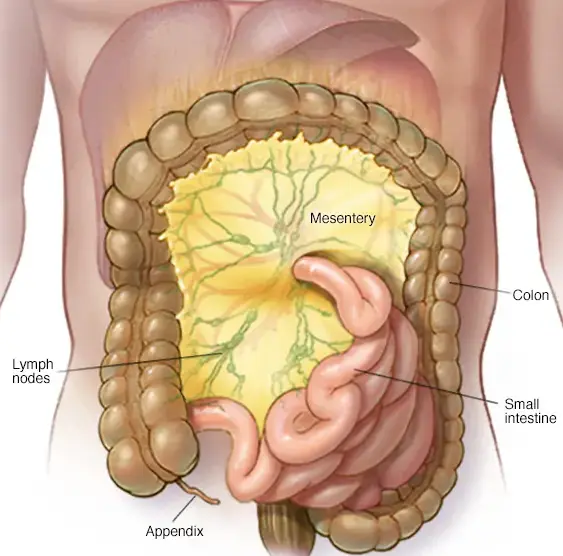
Mesenteric Lymphadenitis
Diagnosis Diagnosing mesenteric lymphadenitis involves reviewing medical history and performing a physical examination. A healthcare professional looks for signs of infection and checks areas of abdominal tenderness, especially in the lower right side where symptoms may resemble appendicitis. To help confirm the diagnosis and identify the cause, certain tests may be recommended. Blood testsBlood tests can help show whether an …
Addison’s Disease
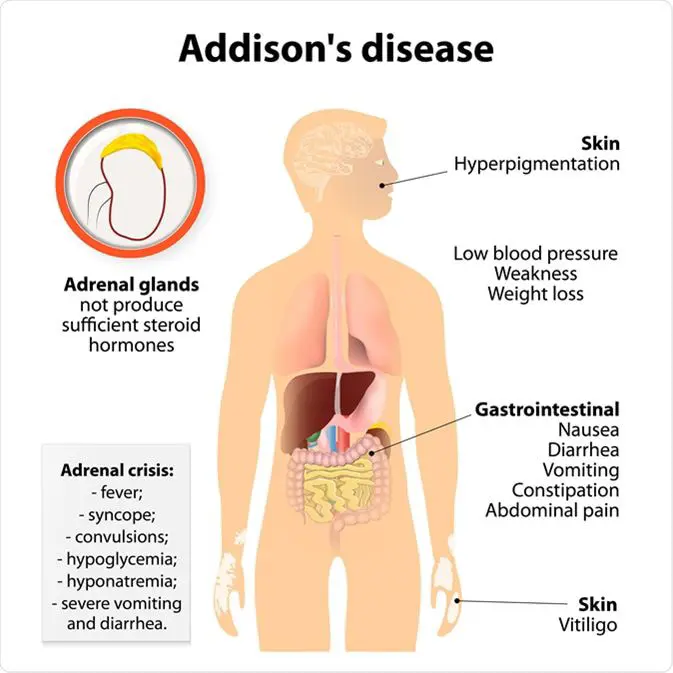
Diagnosis of Addison’s Disease Diagnosing Addison’s disease involves several steps. Your healthcare provider will start by reviewing your medical history, discussing your symptoms, and ordering specific lab and imaging tests. 1. Blood Tests Measures levels of sodium, potassium, cortisol, and adrenocorticotropic hormone (ACTH). Detects antibodies related to autoimmune causes of Addison’s disease. 2. ACTH Stimulation Test ACTH normally stimulates the …
Nicotine Dependence
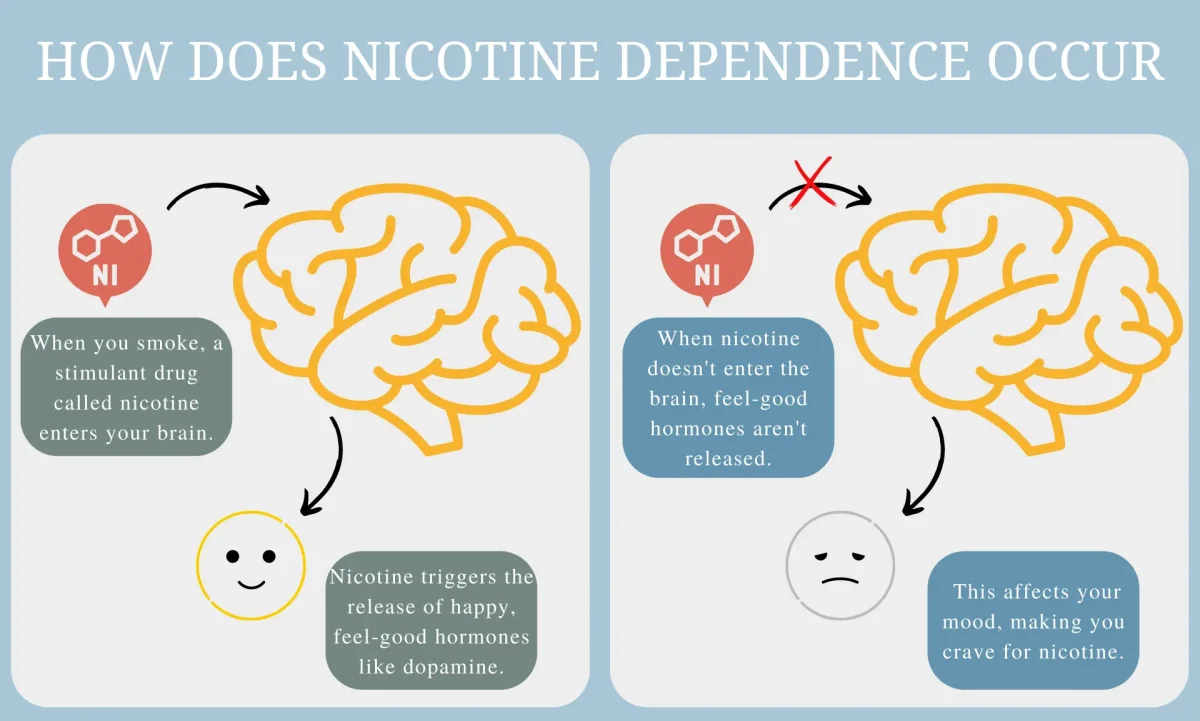
Diagnosis To diagnose nicotine dependence, your healthcare professional may ask questions or have you complete a questionnaire. These assessments help determine how dependent you are on nicotine. Factors such as the number of cigarettes smoked daily and the time to the first cigarette after waking indicate the level of dependence. Treatment Stopping smoking is often challenging, and most people require …
Compulsive Gambling
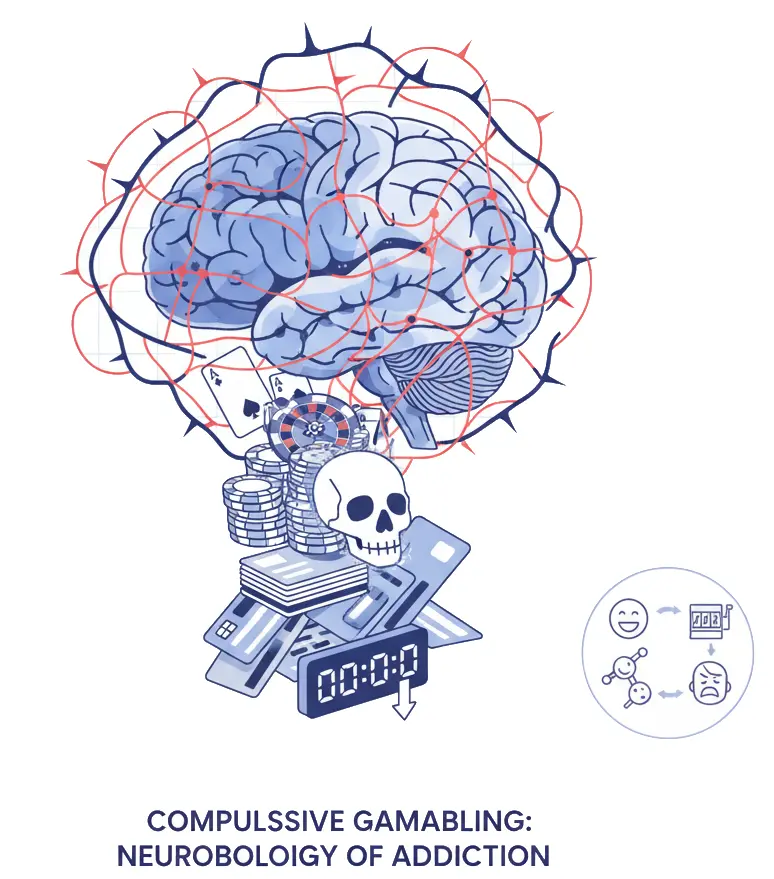
Diagnosis If you think you might have a gambling problem, talk with your healthcare provider or a mental health professional for an evaluation. During the evaluation, your provider may: Ask questions about your gambling habits and, with your permission, speak to family members or friends. Review your medical history, since some medications can rarely cause compulsive behaviors, including gambling. A …
Alcohol Use Disorder
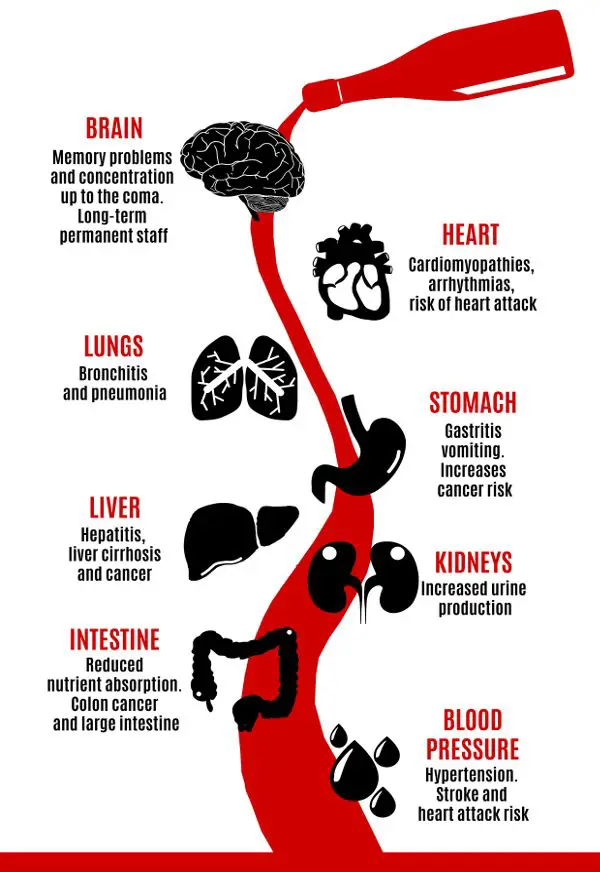
Diagnosis of Alcohol Use Disorder A healthcare professional will assess your drinking habits, overall health, and mental well-being to confirm the diagnosis. Initial consultation: Most people begin with their primary care provider, who may refer them to a mental health professional for a deeper evaluation. Drinking history: Your provider may ask detailed questions about how much, how often, and why …
Acute Sinusitis
How Acute Sinusitis is Diagnosed A healthcare provider may use several methods to diagnose acute sinusitis and rule out other conditions: 1. Physical Examination The provider checks for tenderness in the nose, cheeks, and forehead May look inside the nose to examine swelling or discharge 2. Nasal Endoscopy A thin, flexible tube with a light (endoscope) is inserted into the …