Solitary fibrous tumor is a rare type of tumor that arises from connective tissue, most often from the lining around organs such as the lungs, abdomen, or pelvis. It can also develop in soft tissues throughout the body. Most solitary fibrous tumors are slow-growing and benign, but some can behave aggressively and become malignant. Because symptoms are often mild or …
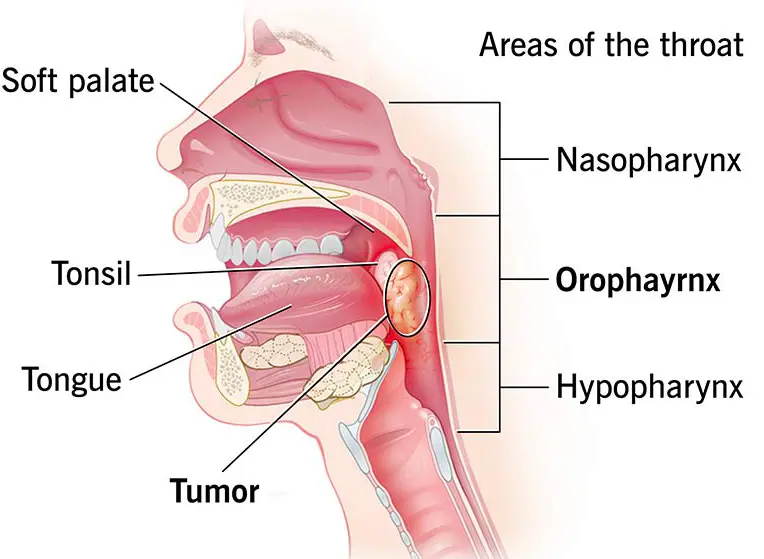
Soft Palate Cancer
Soft palate cancer is a type of head and neck cancer that develops in the soft palate, the muscular portion at the back of the roof of the mouth. It is most commonly a form of squamous cell carcinoma arising from the lining of the oral cavity. Soft palate cancer can affect speech, swallowing, and breathing depending on its size …
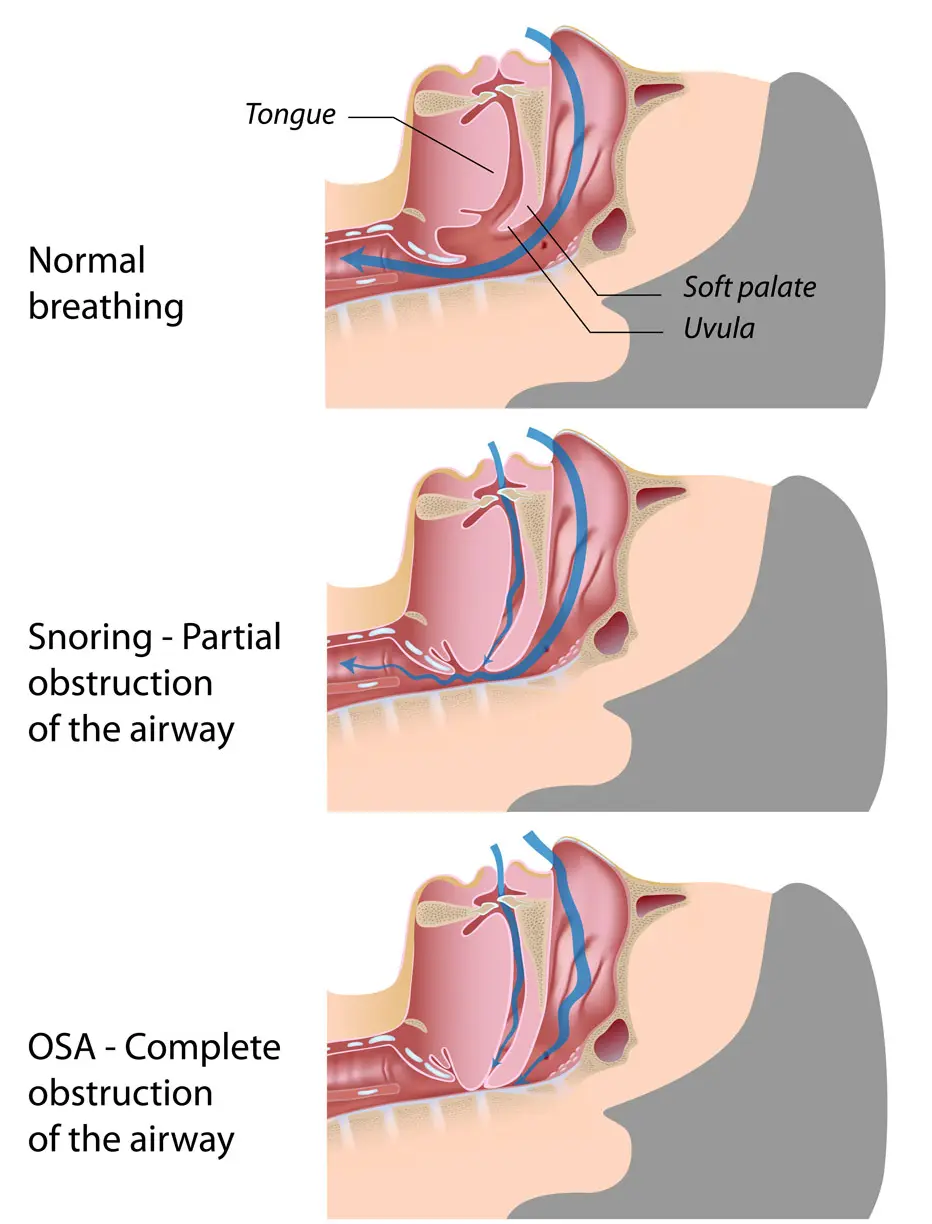
Snoring
Snoring is the sound produced when airflow through the nose and throat is partially blocked during sleep. It occurs when relaxed tissues vibrate as air passes through narrowed airways. Snoring is common and can affect people of all ages. While occasional snoring is usually harmless, frequent or loud snoring may disturb sleep quality and sometimes indicate an underlying sleep-related condition. …
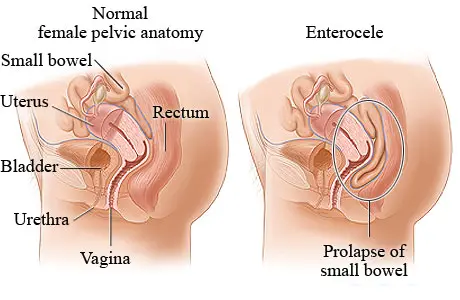
Small Bowel Prolapse (Enterocele)
Small bowel prolapse, also known as enterocele, is a condition in which the small intestine descends and pushes into the lower pelvic cavity. It most commonly occurs when the pelvic floor muscles and supportive tissues weaken, allowing the small bowel to bulge downward. Enterocele is more frequently seen in women, particularly after pelvic surgery or childbirth, and may occur alongside …
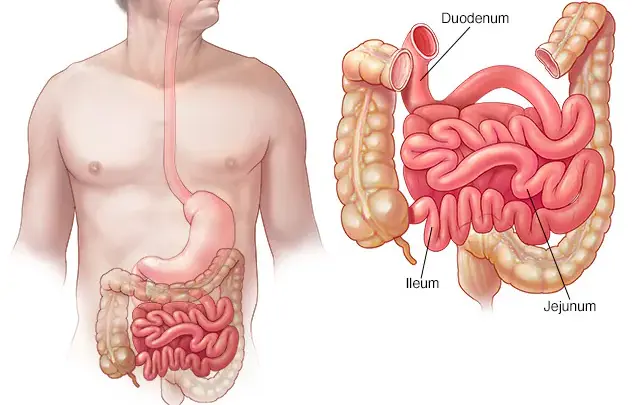
Small Bowel Cancer
Small bowel cancer is a rare type of cancer that develops in the small intestine, the part of the digestive system responsible for absorbing nutrients from food. Although the small intestine makes up a large portion of the digestive tract, cancers in this area are uncommon compared to those of the colon or stomach. Small bowel cancer can affect digestion …
Sleepwalking
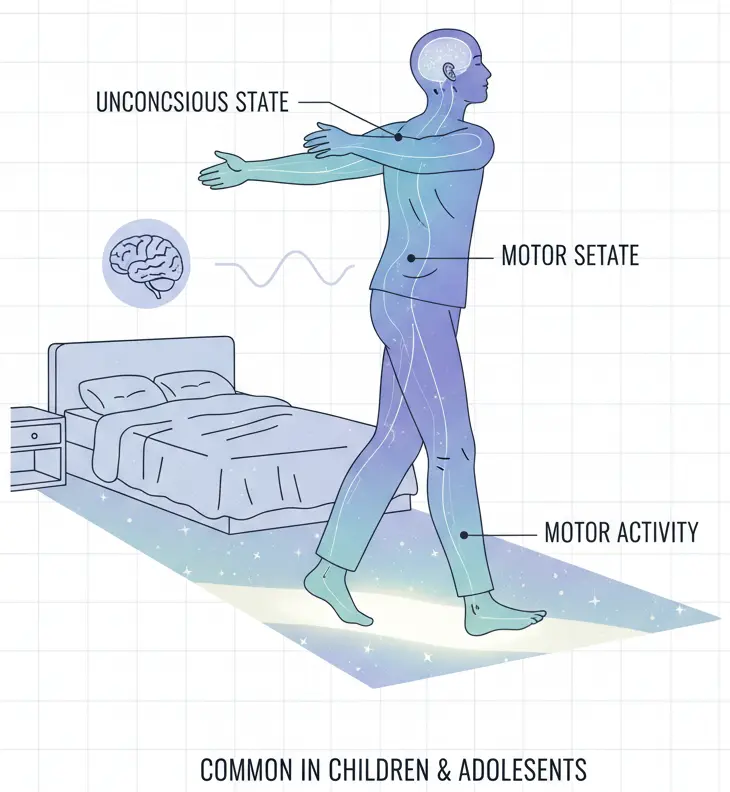
Sleepwalking is a sleep disorder in which a person gets up and walks or performs other activities while still asleep. It usually occurs during deep stages of non-dream sleep, most often in the first part of the night. Sleepwalking is more common in children and often resolves with age, but it can also affect adults. During an episode, the person …
Sleep Terrors (Night Terrors)
Sleep terrors, also known as night terrors, are a type of sleep disorder that causes sudden episodes of intense fear during sleep. They usually occur during deep, non-dream sleep and are most common in children, though adults can also be affected. During an episode, the person may appear awake but is often confused and difficult to comfort. Sleep terrors are …
Sleep Disorders
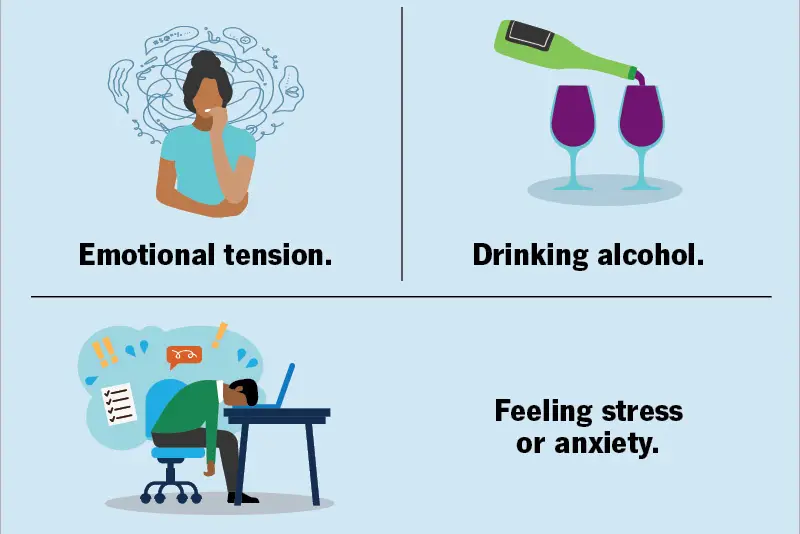
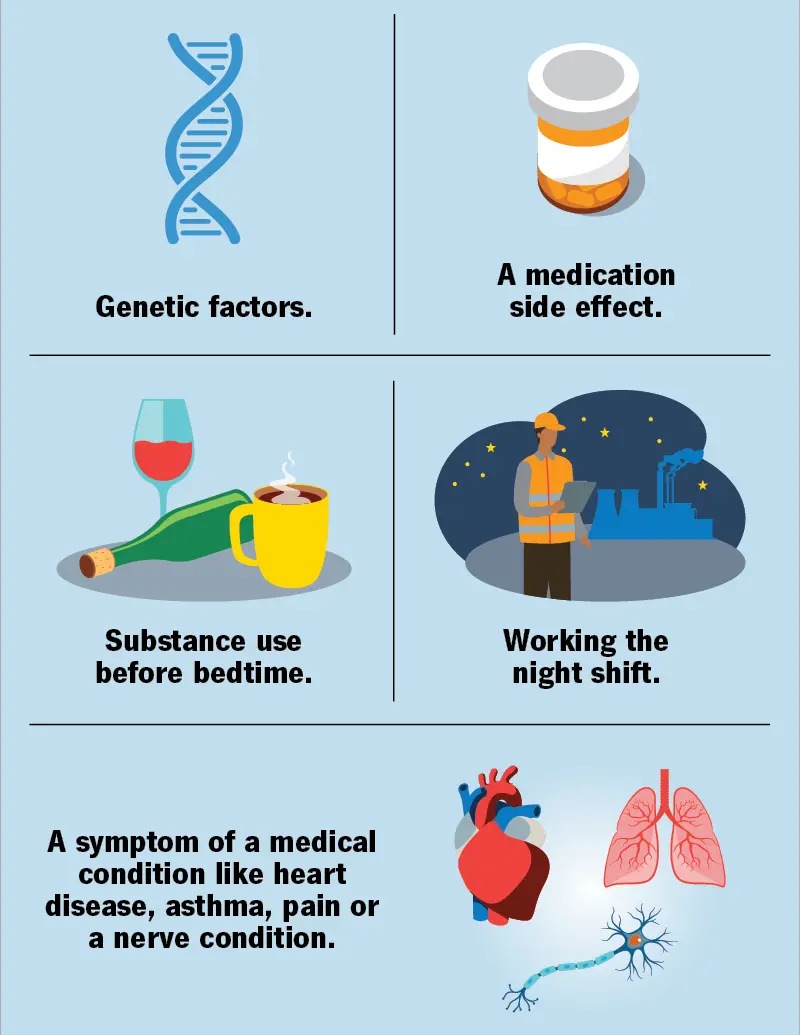
Sleep disorders are conditions that affect the quality, timing, or duration of sleep and interfere with normal daytime functioning. They can lead to difficulty falling asleep, staying asleep, or waking too early, as well as excessive sleepiness during the day. Sleep disorders may be short-term or chronic and can affect people of all ages. Proper sleep is essential for physical …
Sleep Apnea
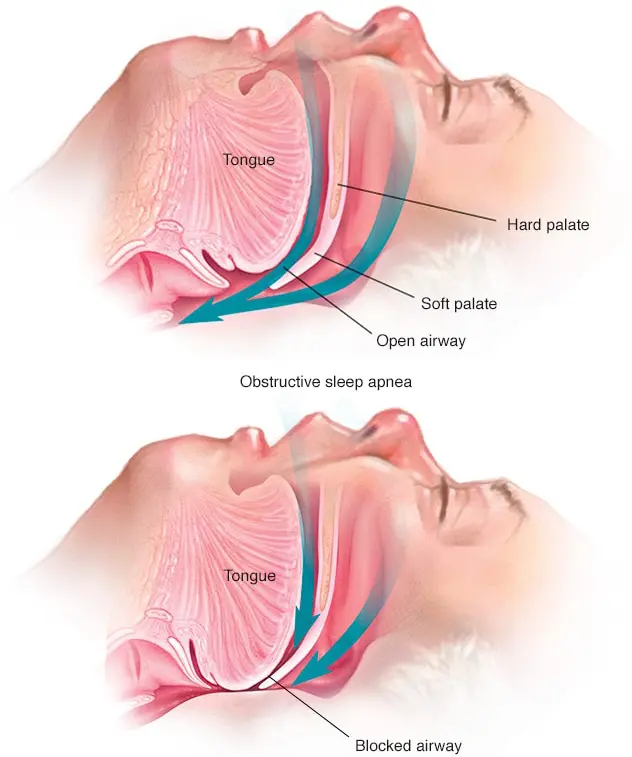
Sleep apnea is a sleep-related breathing disorder in which breathing repeatedly stops and starts during sleep. These pauses in breathing reduce oxygen levels in the blood and disrupt normal sleep patterns. Sleep apnea can lead to poor sleep quality and serious health problems if left untreated. The condition affects people of all ages but is more common in adults, especially …
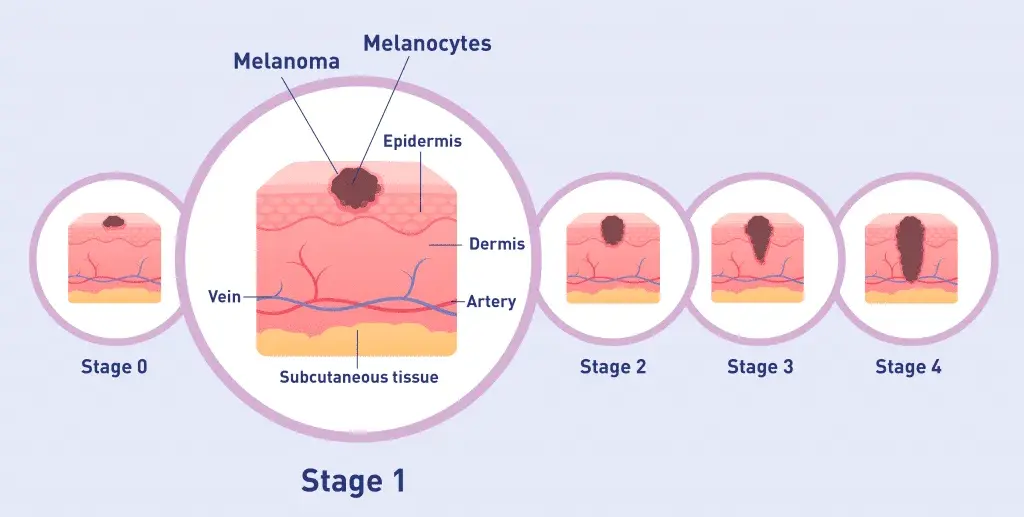
Melanoma
Melanoma is a serious type of skin cancer that develops from melanocytes, the cells responsible for producing melanin, the pigment that gives skin its color. Although melanoma is less common than other skin cancers, it is more aggressive and more likely to spread to other parts of the body if not detected early. Melanoma can appear anywhere on the skin, …