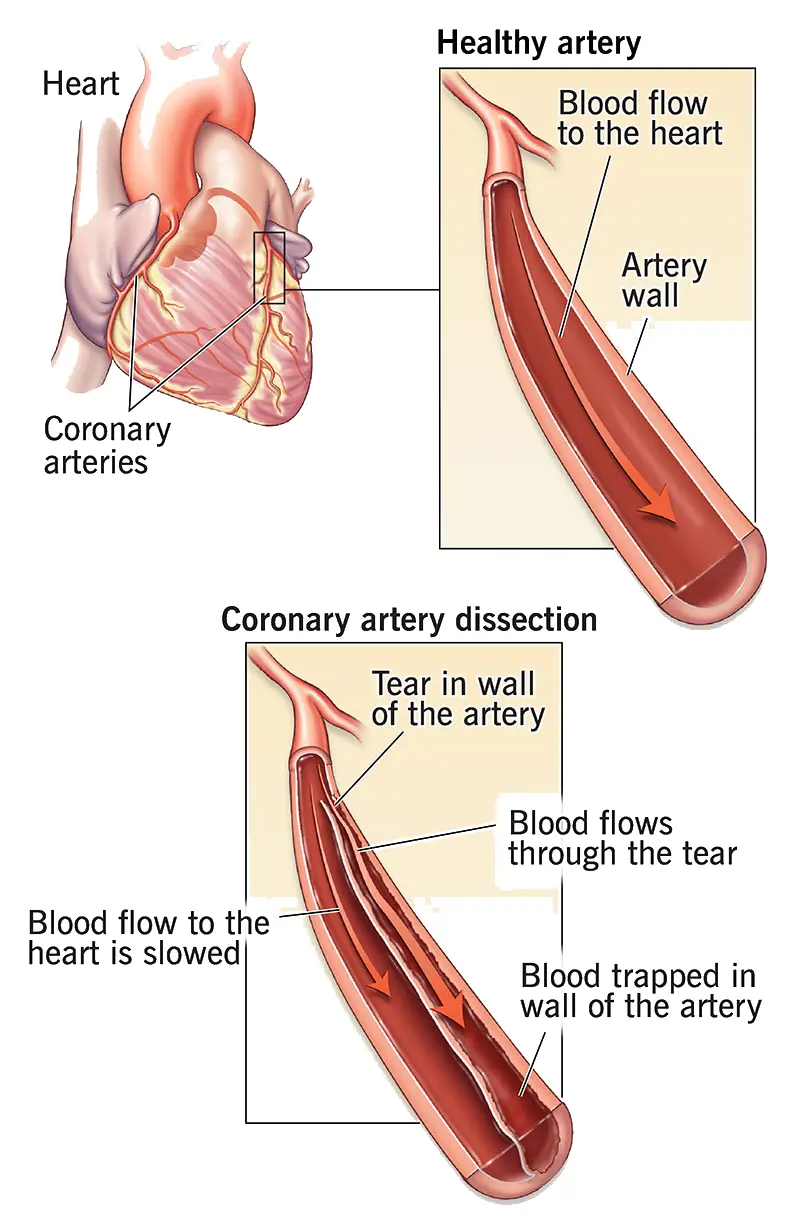
Diagnosis Spontaneous coronary artery dissection, also known as SCAD, is most often diagnosed in an emergency setting. A healthcare professional will ask questions about your symptoms and review your personal and family medical history. Tests are then done to evaluate the heart and confirm the diagnosis. SCAD is diagnosed using many of the same tests used to identify a heart …
Scabies
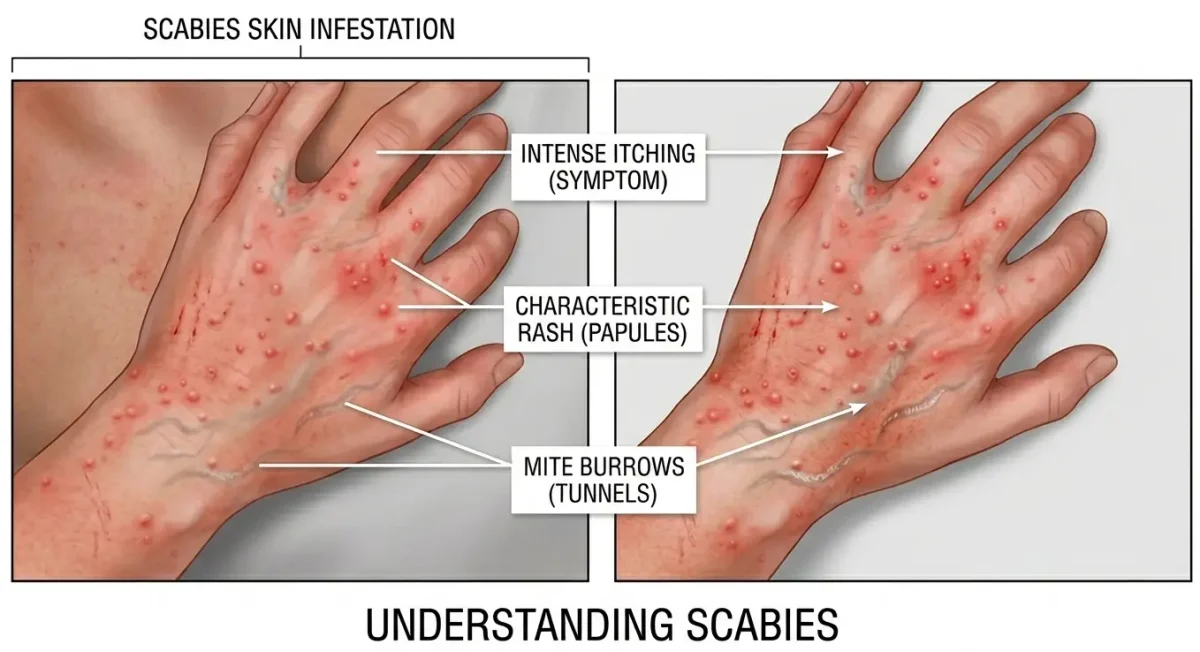
Diagnosis Diagnosis of scabies typically begins with an examination of the skin. A healthcare provider looks closely for signs of mites, such as burrows, rashes or intense itching. In some cases, a small sample of skin may be taken and viewed under a microscope. This helps confirm the presence of mites or their eggs and supports an accurate diagnosis. Treatment …
Small Intestinal Bacterial Overgrowth (SIBO)
Diagnosis To diagnose small intestinal bacterial overgrowth, several tests may be used to check for excess bacteria in the small intestine, issues with fat absorption or other factors contributing to symptoms. Breath testing is a common noninvasive option. During this test, hydrogen or methane levels in your breath are measured after you drink a glucose and water mixture. A rapid …
Sarcoma
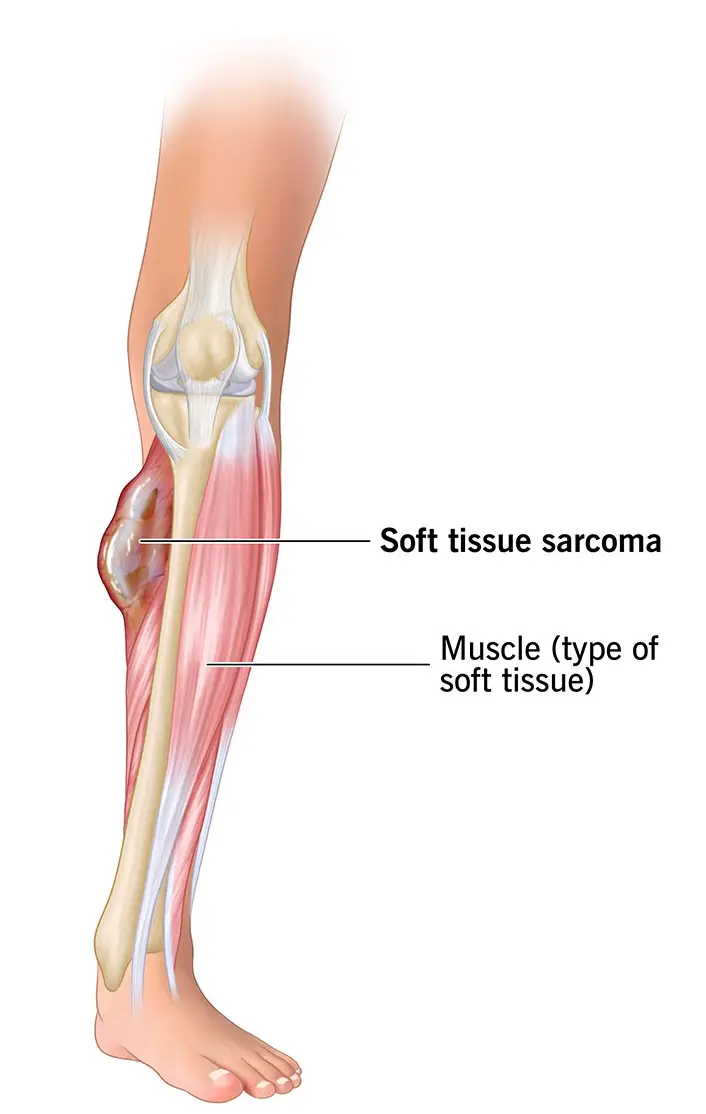
Diagnosis Sarcoma diagnosis typically begins with a physical exam, especially since this cancer can develop in both bones and soft tissues. The tests used depend on which part of the body is affected. Evaluation often includes imaging tests and a biopsy to confirm the diagnosis and determine the type of cells involved. During the physical exam, your healthcare professional may …
Sarcoidosis
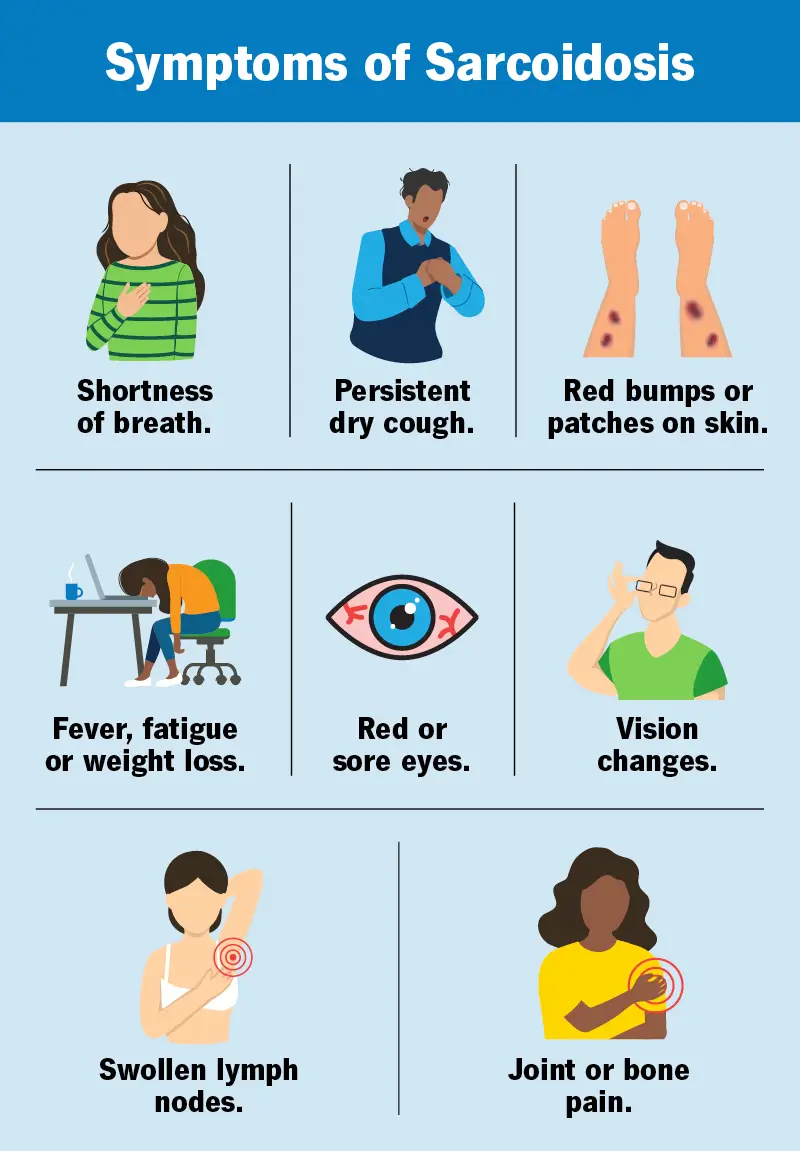
Diagnosis Diagnosing sarcoidosis can be challenging because early symptoms may be minimal or similar to those of other conditions. Evaluation begins with a physical exam and a discussion about symptoms and possible risk factors. A healthcare professional listens to the heart and lungs, checks for swollen lymph nodes and examines any skin lesions that may suggest involvement. There is no …
Salmonella Infection
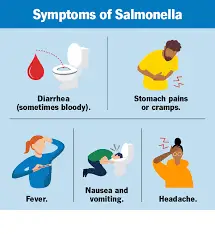
Diagnosis Diagnosis of salmonella infection typically begins with an assessment of symptoms. Many people show clear signs such as diarrhea, fever, and stomach cramps, which help guide initial evaluation. A stool sample test can confirm the presence of salmonella bacteria. However, results often return after symptoms have already improved. In certain cases, especially when a bloodstream infection is suspected, a …
Salivary Gland Tumors
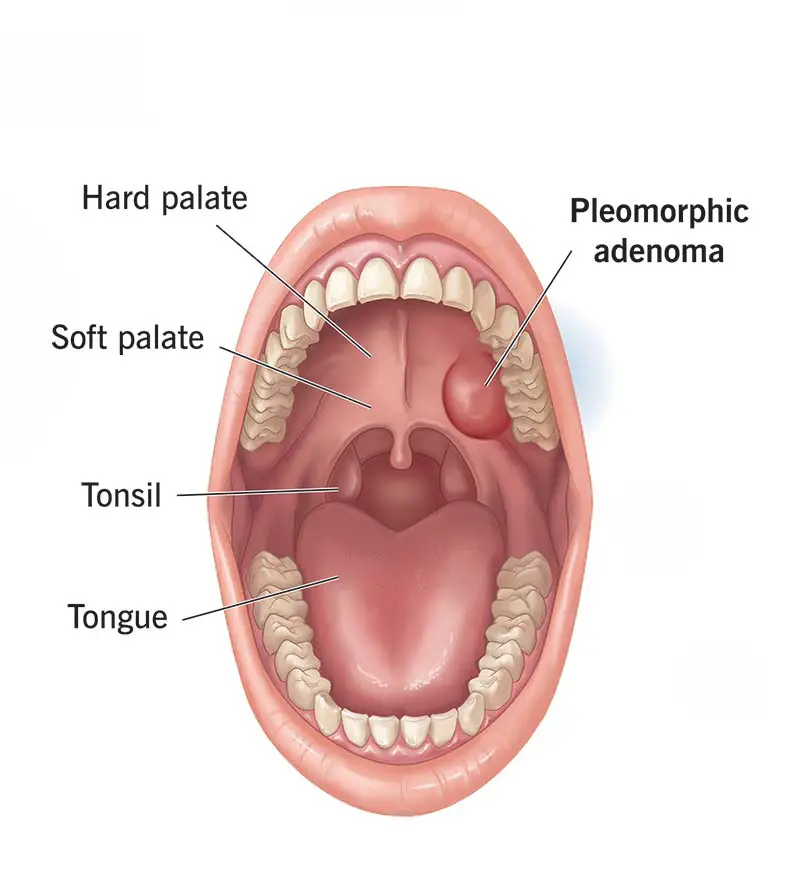
Diagnosis Diagnosis of a salivary gland tumor often begins with a physical examination. A healthcare professional assesses the jaw, neck, and throat to check for lumps, swelling, or changes in the salivary glands. If anything unusual is found, imaging tests and a biopsy may be used to determine the tumor’s location and the type of cells involved. A physical exam …
Seasonal Affective Disorder (SAD)
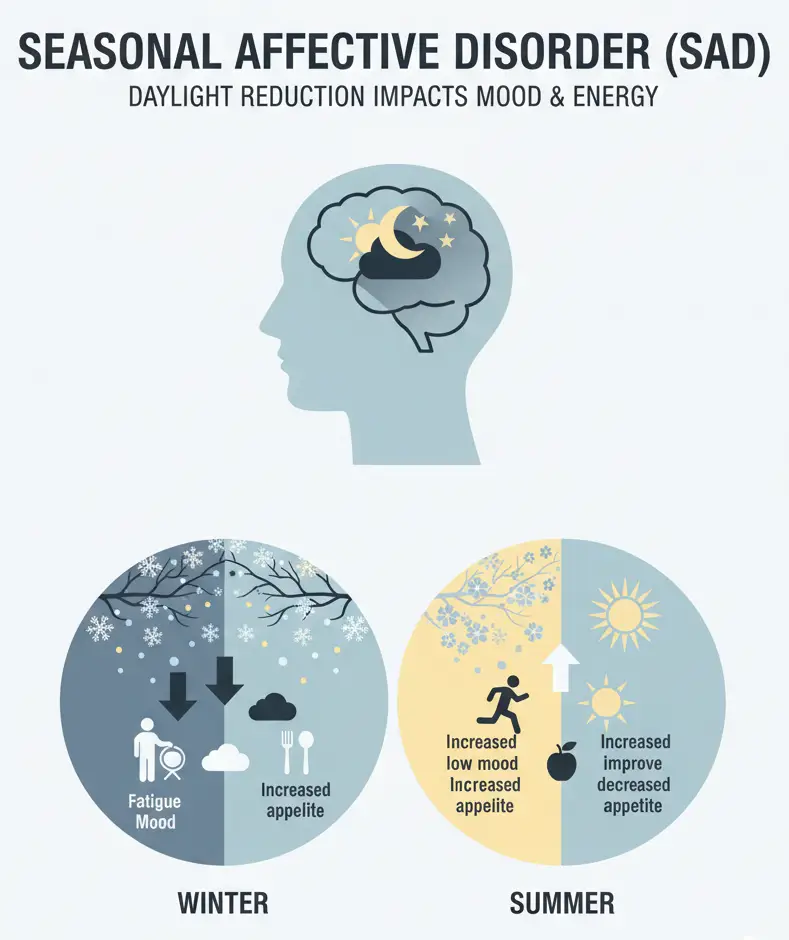
Diagnosis Diagnosing seasonal affective disorder (SAD) can be challenging because other forms of depression and mental health conditions may produce similar symptoms. A thorough evaluation usually includes: Physical exam: Your healthcare provider may examine you and ask detailed questions about your health to rule out physical conditions that could cause depression. Lab tests: Blood tests such as a complete blood …
Sacroiliitis
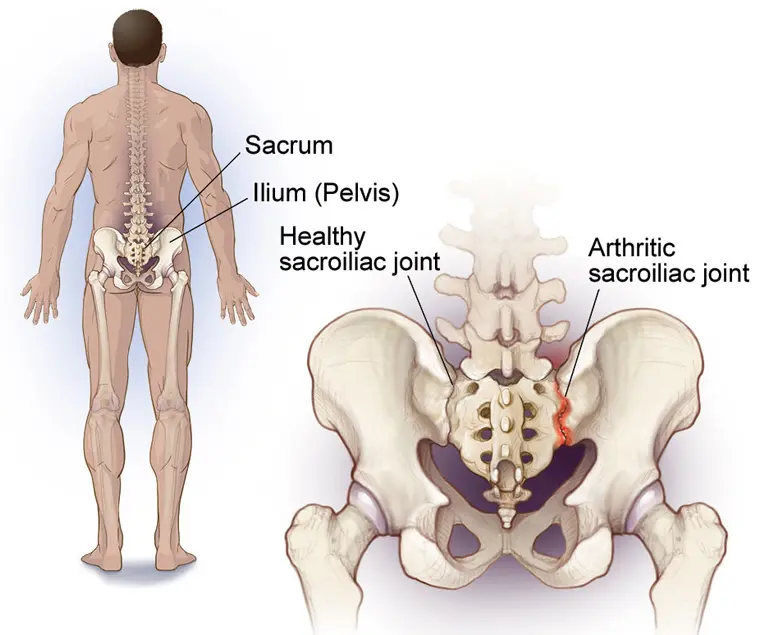
Diagnosis Diagnosis of sacroiliitis begins with a physical exam. A health care provider may gently press on the hips and buttocks to identify the source of pain. The legs may also be moved into different positions to apply stress to the sacroiliac joints and check for discomfort. Imaging tests can help confirm the cause of symptoms. An X-ray of the …
Ruptured Spleen
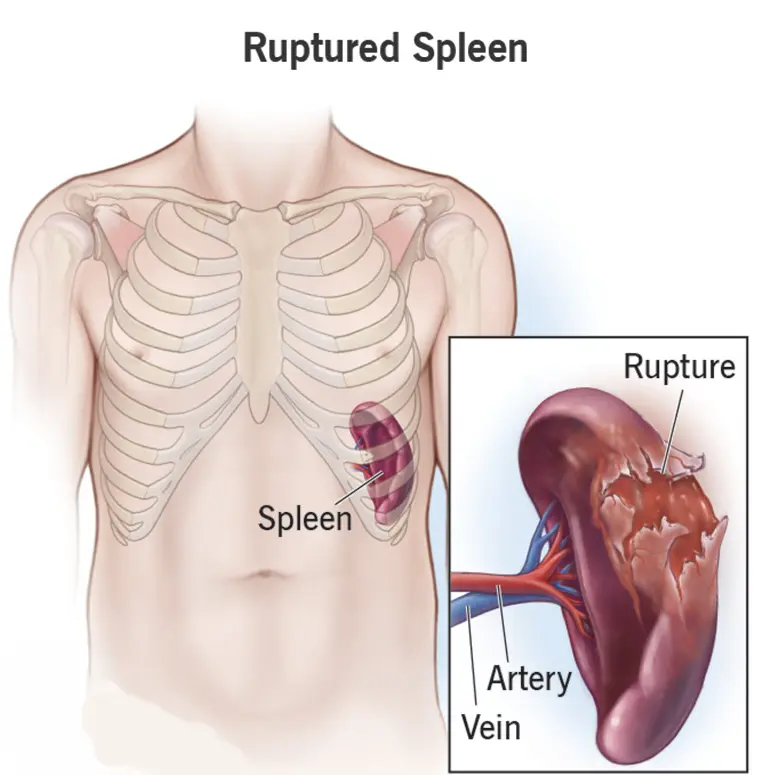
Diagnosis Diagnosing a ruptured spleen typically involves a combination of physical examination, lab tests and imaging. During a physical exam, a healthcare provider gently presses the abdomen to assess the spleen’s size and check for tenderness. Blood tests are often done to measure platelet count and evaluate how well the blood clots. In emergency situations, the medical team may check …