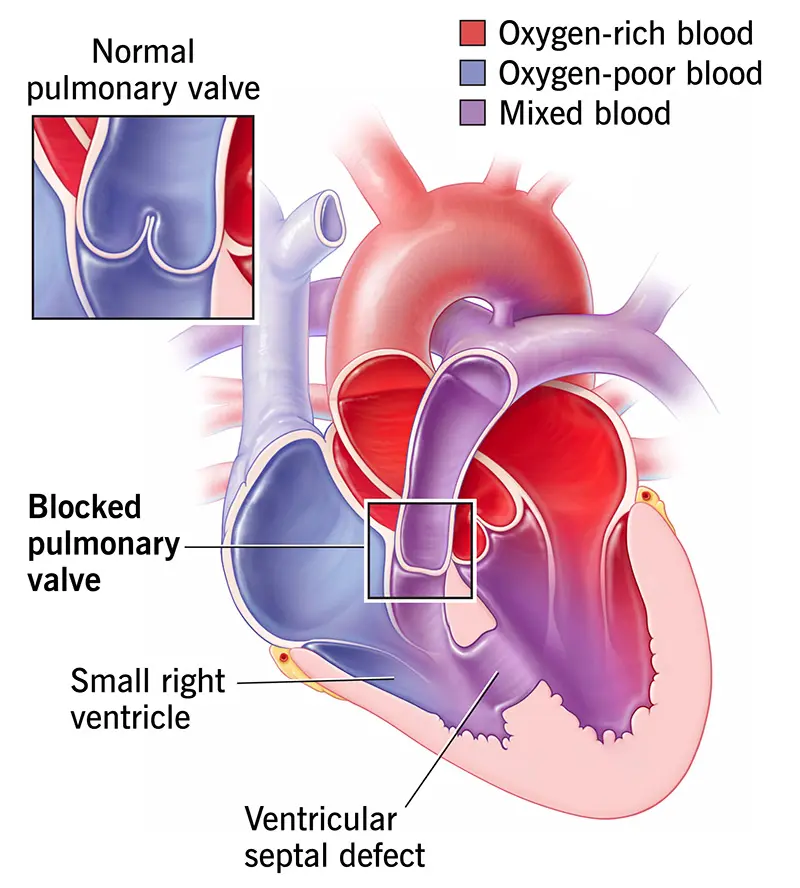
Pulmonary Atresia with Intact Ventricular Septum is a rare congenital heart defect that occurs when the pulmonary valve does not develop properly during fetal growth. The pulmonary valve normally allows blood to flow from the right ventricle of the heart to the lungs. In this condition, the valve is completely closed, preventing blood from flowing directly to the lungs. Unlike …
Pulmonary Atresia
Pulmonary Atresia is a rare congenital heart defect in which the pulmonary valve does not form properly. The pulmonary valve normally allows blood to flow from the right ventricle of the heart to the lungs, where it receives oxygen. In pulmonary atresia, the valve is either missing or completely closed, blocking the normal flow of blood to the lungs. Because …
Psoriasis
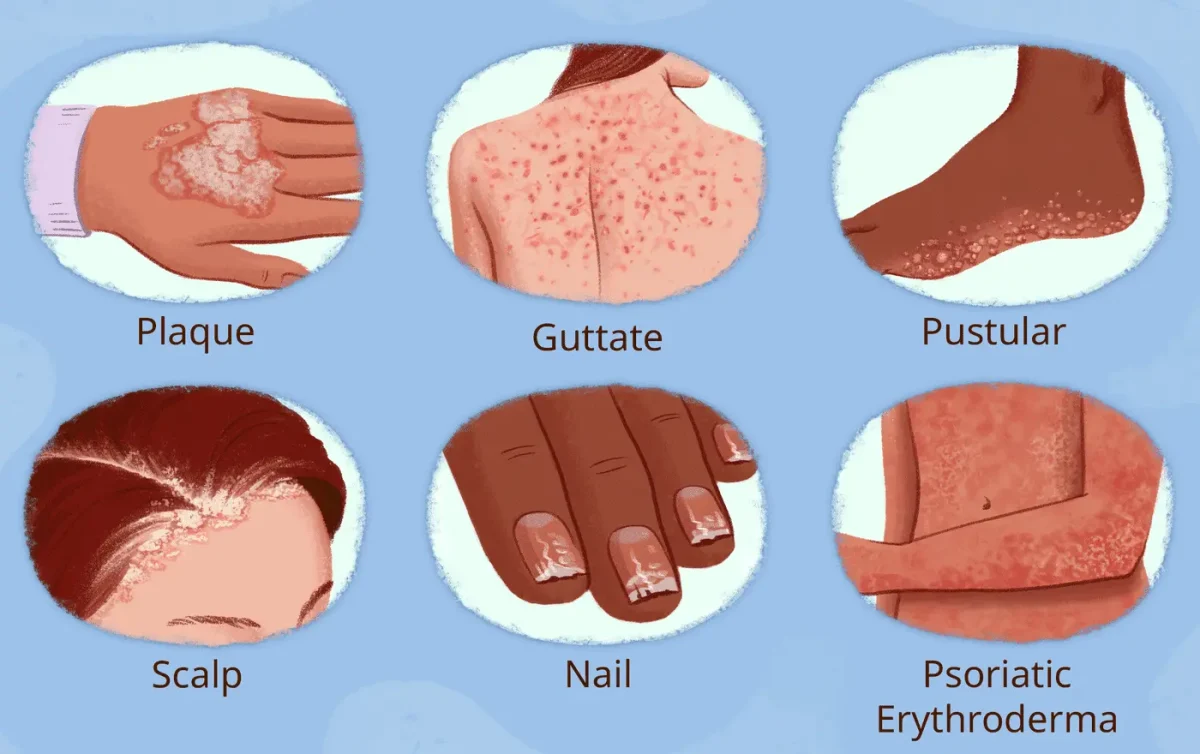
Psoriasis is a chronic autoimmune skin condition that causes skin cells to multiply faster than normal. This rapid growth leads to the buildup of thick, scaly patches on the skin. These patches are often red, inflamed, and covered with silvery-white scales. Psoriasis commonly affects areas such as the scalp, elbows, knees, and lower back, but it can appear anywhere on …
Pseudogout
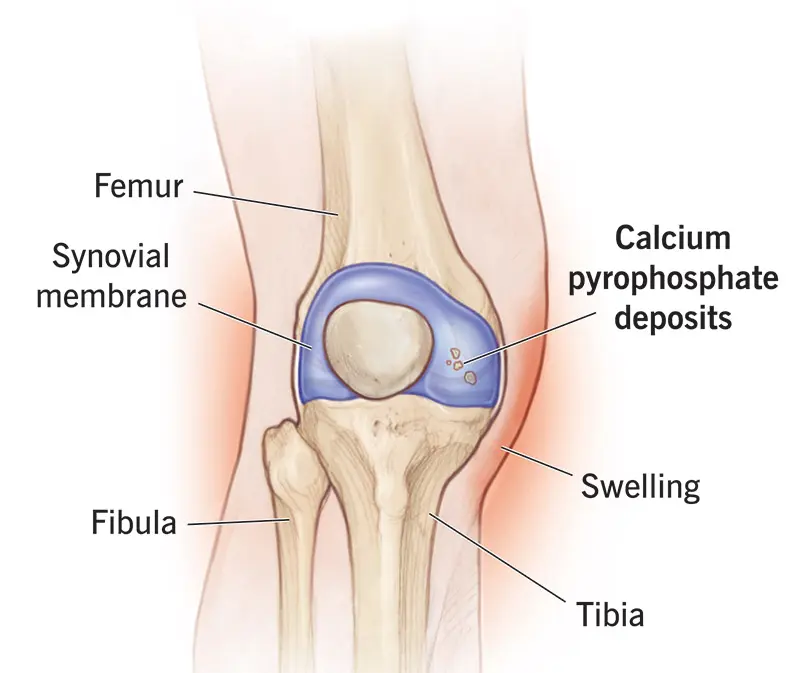
Pseudogout, also known as calcium pyrophosphate deposition disease (CPPD), is a type of arthritis caused by the accumulation of calcium pyrophosphate crystals in the joints. It often mimics the symptoms of gout, but the crystals involved are different. Pseudogout commonly affects the knees, wrists, and shoulders, leading to sudden episodes of joint pain, swelling, and stiffness. The condition can be …
Pseudocholinesterase Deficiency
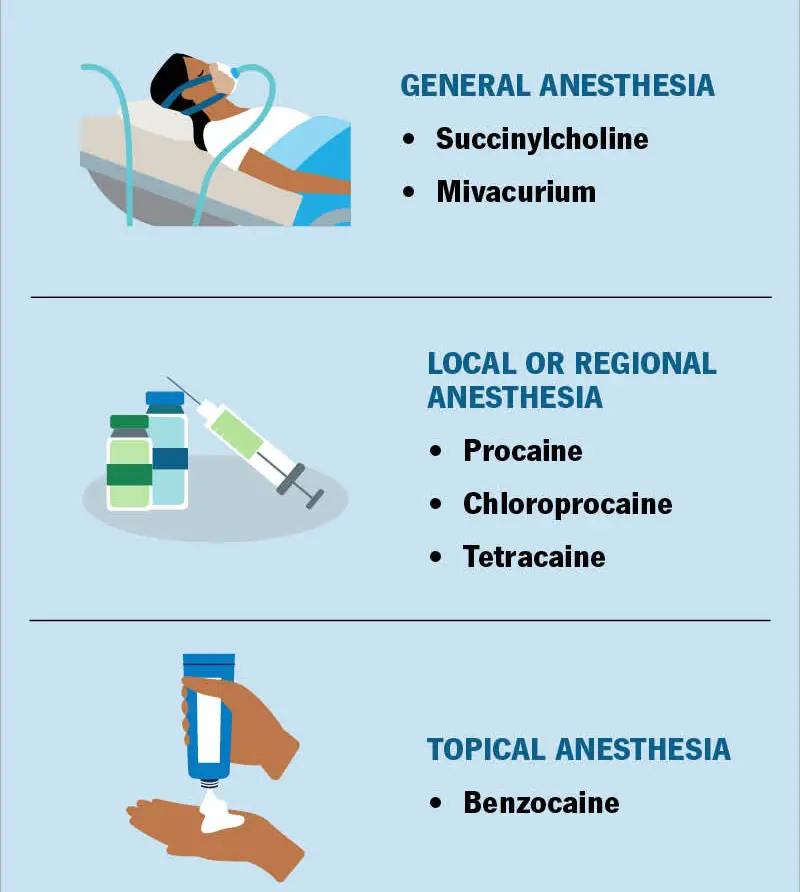
Pseudocholinesterase Deficiency is a rare genetic condition in which the body produces an abnormal or reduced amount of the enzyme pseudocholinesterase. This enzyme is responsible for breaking down certain muscle relaxants and drugs used during anesthesia, such as succinylcholine and mivacurium. People with this deficiency may experience prolonged muscle paralysis and delayed recovery from anesthesia. The condition is usually inherited …
Prostatitis
Prostatitis is a condition characterized by inflammation of the prostate gland. The prostate is a small gland located below the bladder in men and plays an important role in producing fluid that nourishes and transports sperm. When the prostate becomes inflamed, it can cause discomfort, urinary problems, and other symptoms affecting the pelvic region. Prostatitis can affect men of all …
Prolactinoma
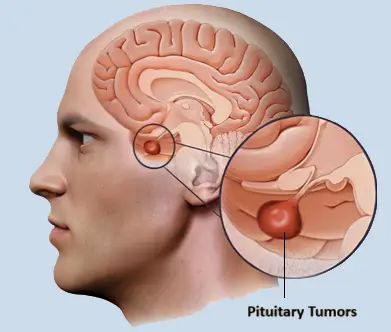
Prolactinoma is a noncancerous tumor of the pituitary gland that produces excessive amounts of the hormone prolactin. The pituitary gland is a small gland located at the base of the brain that regulates many hormones controlling growth, reproduction, and metabolism. When a prolactinoma develops, it causes the body to produce higher levels of prolactin than normal. Prolactin is responsible for …
Progressive Supranuclear Palsy
Progressive supranuclear palsy is a rare neurological disorder that affects movement, balance, and eye movements. It occurs when certain areas of the brain responsible for controlling body movements, coordination, and thinking gradually deteriorate. The condition progresses over time and can significantly affect a person’s ability to perform everyday activities. The disease most commonly develops in older adults, usually after the …
Proctitis
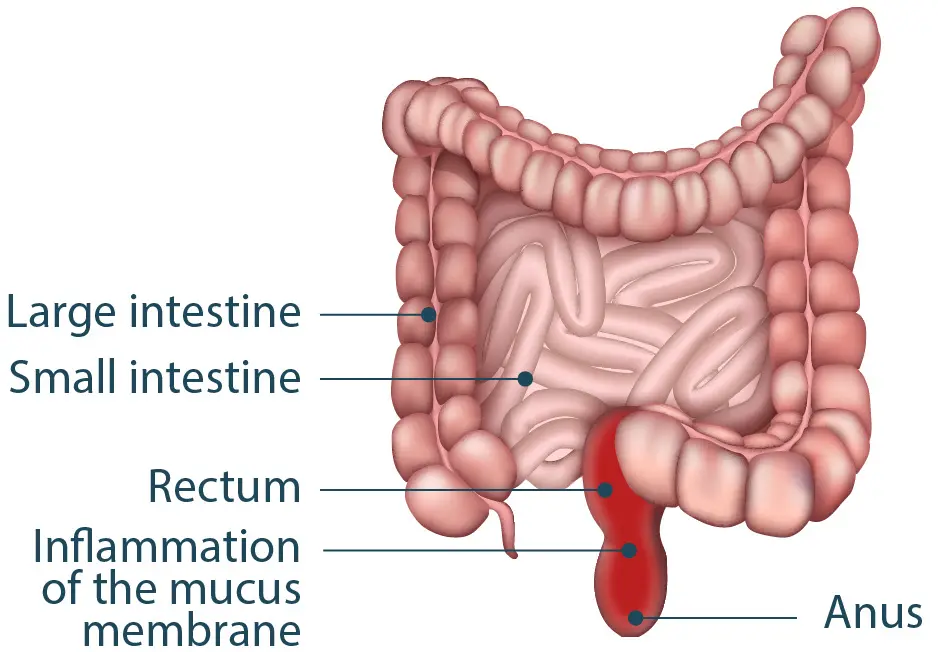
Proctitis is a condition characterized by inflammation of the lining of the rectum, the lower part of the large intestine just before the anus. The rectum stores stool before it is expelled from the body, and inflammation in this area can cause discomfort, pain, and changes in bowel habits. Proctitis can occur due to infections, inflammatory bowel diseases, radiation therapy, …
Primary Immunodeficiency
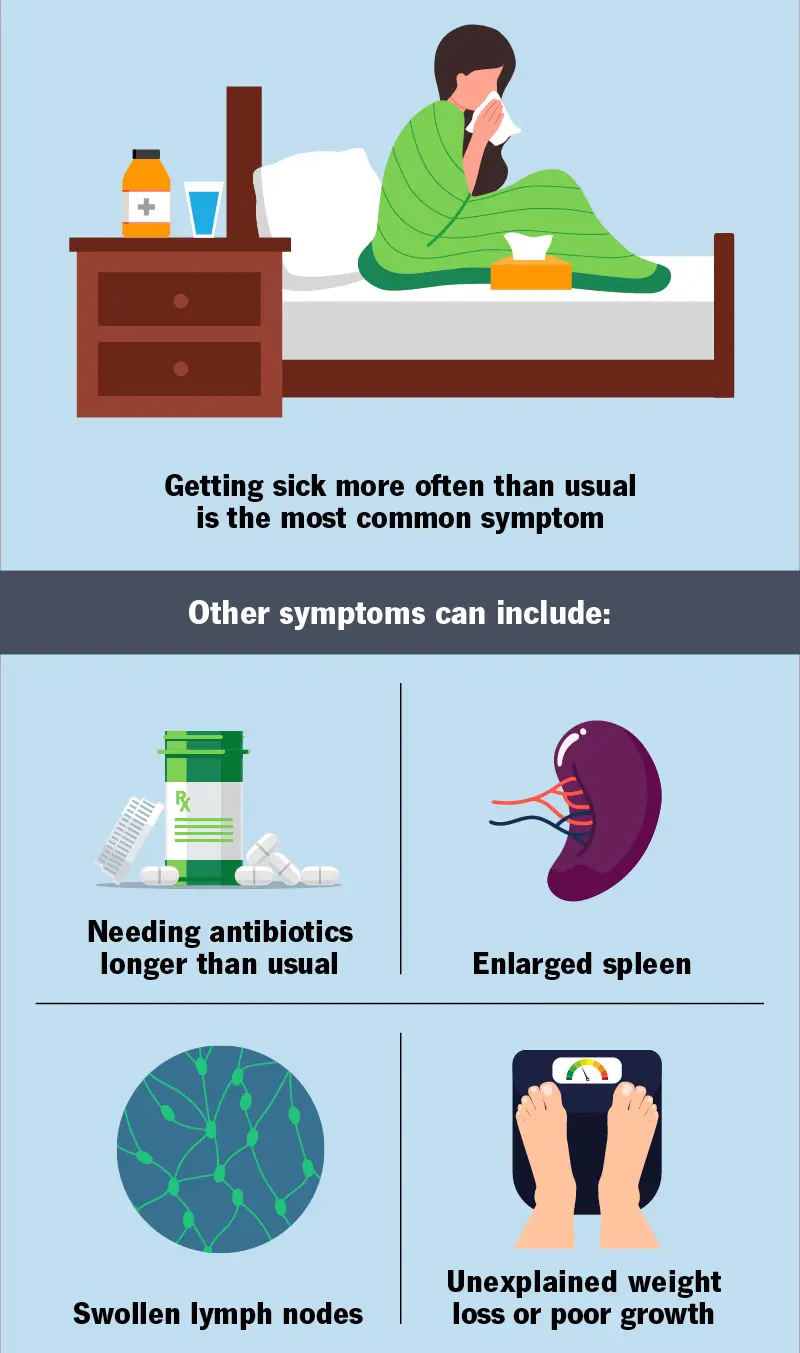
Primary immunodeficiency is a group of disorders in which part of the body’s immune system is missing or does not function properly. The immune system normally protects the body from infections caused by bacteria, viruses, and other harmful organisms. When this defense system is weakened, the body becomes more vulnerable to frequent, severe, or unusual infections. Primary immunodeficiency is usually …