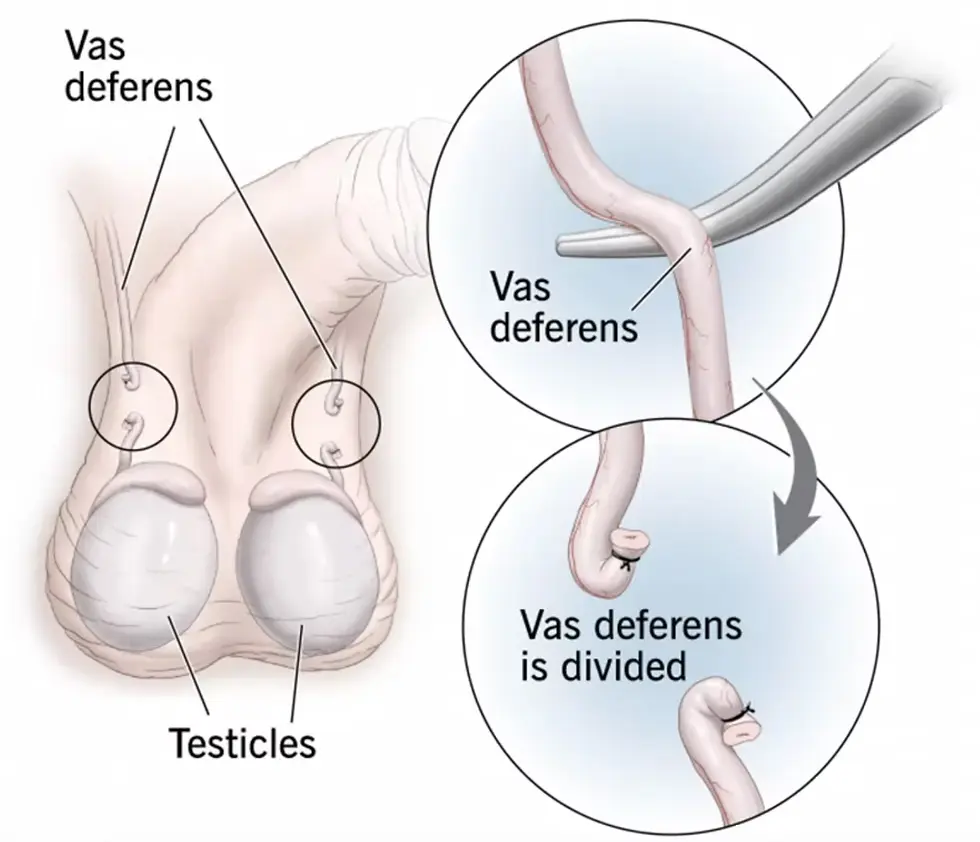
Post-Vasectomy Pain Syndrome (PVPS) is a chronic pain condition that can occur after a vasectomy, a surgical procedure for male sterilization. PVPS involves persistent pain in the testicles, epididymis, or groin that lasts for months or years following the procedure. The pain can range from mild discomfort to severe and debilitating, affecting quality of life and daily activities. Symptoms Symptoms …
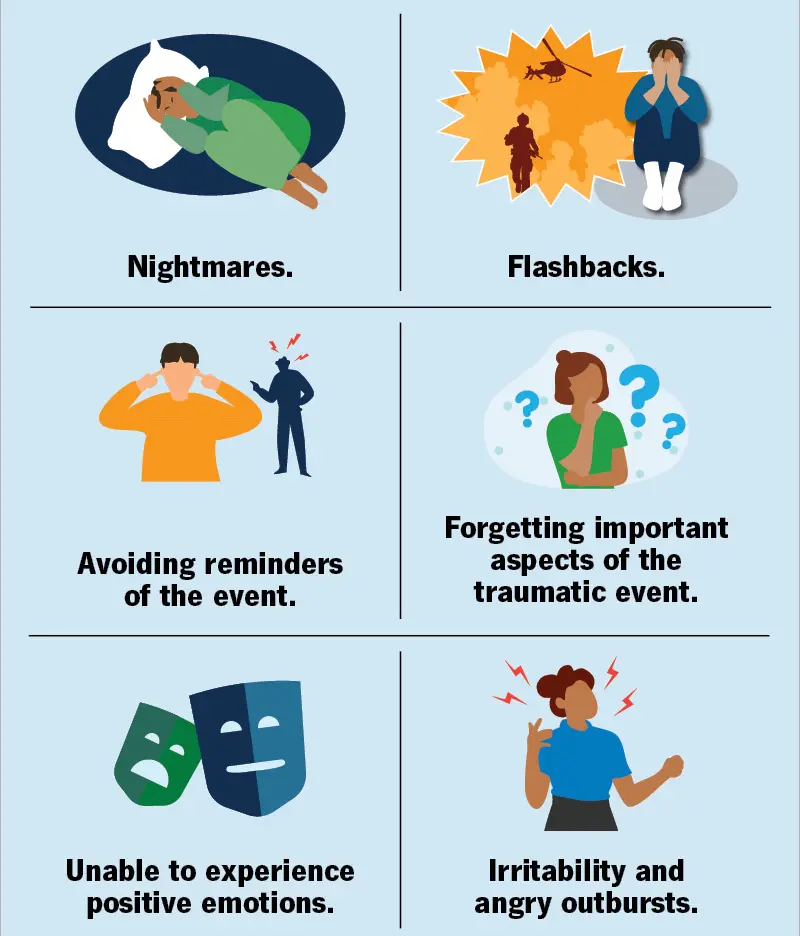
Post-Traumatic Stress Disorder (PTSD)
Post-Traumatic Stress Disorder (PTSD) is a mental health condition triggered by experiencing or witnessing a traumatic event, such as accidents, natural disasters, war, assault, or abuse. PTSD can affect anyone, regardless of age or background, and can lead to persistent emotional distress, difficulty functioning in daily life, and changes in behavior and cognition. Early diagnosis and treatment are important to …
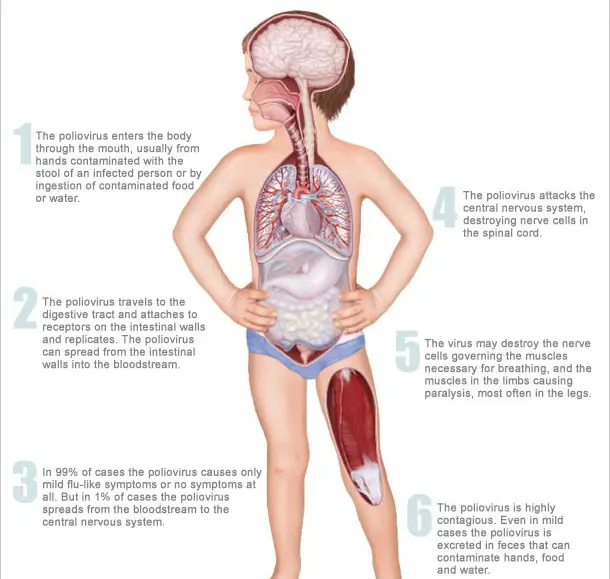
Post-Polio Syndrome
Post-Polio Syndrome (PPS) is a condition that affects polio survivors years after recovery from the initial poliovirus infection. It is characterized by new muscle weakness, fatigue, and pain in muscles that were previously affected by polio. PPS is believed to result from the gradual deterioration of nerve cells that compensated for the original damage caused by the poliovirus. Symptoms usually …
Postpartum Preeclampsia
Postpartum preeclampsia is a serious medical condition characterized by high blood pressure and signs of organ damage that occur after childbirth. Unlike typical preeclampsia, which develops during pregnancy, postpartum preeclampsia appears after delivery, usually within the first 48 hours but sometimes up to several weeks later. The condition requires prompt medical attention because it can lead to life-threatening complications if …
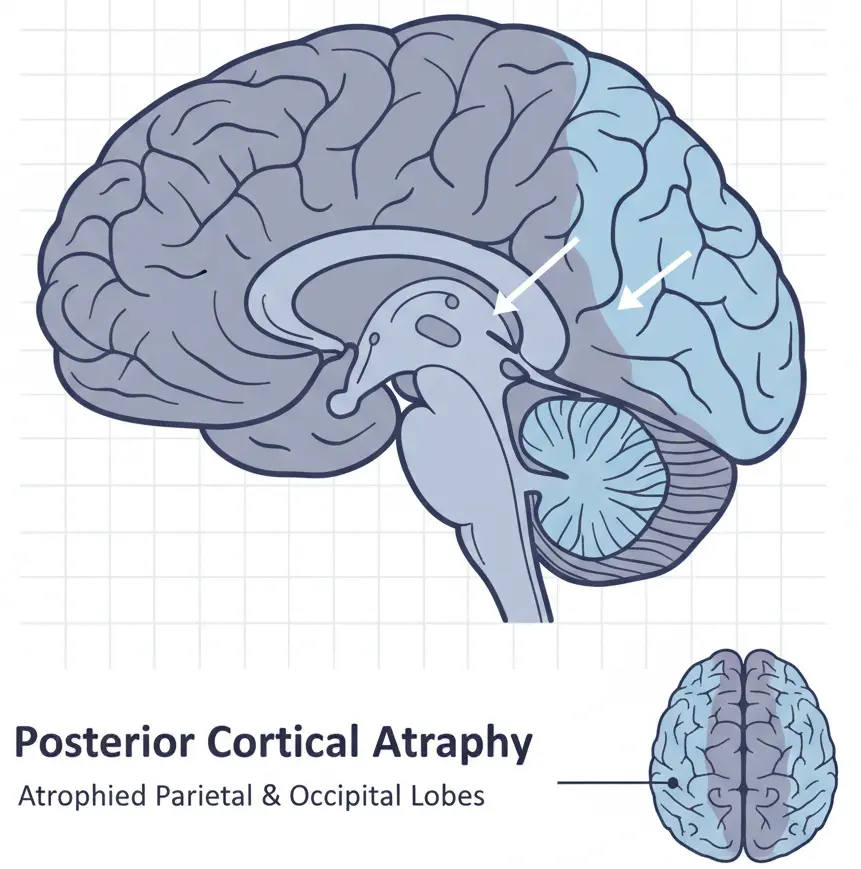
Posterior Cortical Atrophy
Posterior Cortical Atrophy (PCA) is a rare neurological condition characterized by progressive degeneration of the back (posterior) part of the brain, which affects visual processing and spatial awareness. It is sometimes referred to as a variant of Alzheimer’s disease because it can eventually impact memory and cognitive functions. PCA typically develops gradually and is most commonly diagnosed in people in …
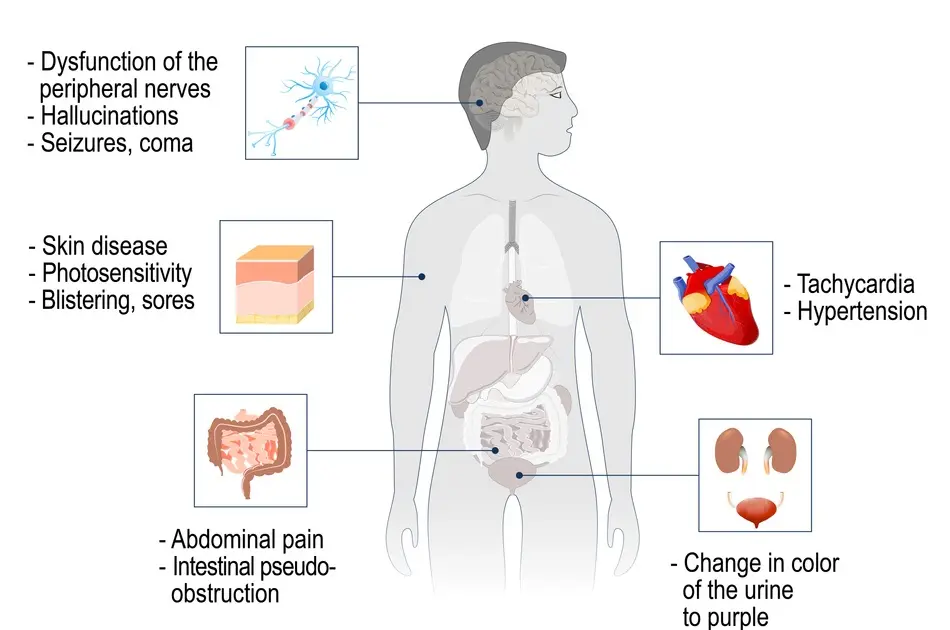
Porphyria
Porphyria is a group of rare disorders caused by abnormalities in the production of heme, a component of hemoglobin. These disorders result in a buildup of porphyrins or their precursors, which can cause a variety of symptoms affecting the skin, nervous system, and other organs. Porphyria can be inherited or acquired and may present differently depending on the type. Symptoms …
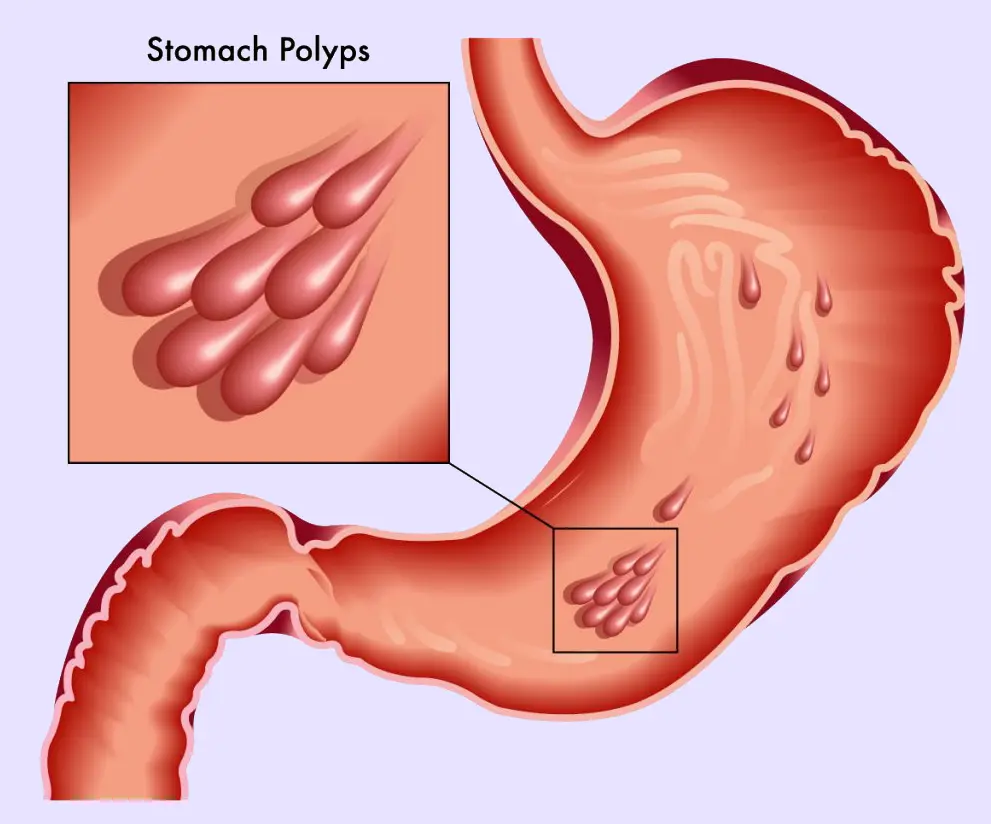
Stomach Polyps
Stomach polyps are small growths that form on the inner lining of the stomach. Most polyps are benign (noncancerous), but some types can increase the risk of developing stomach cancer over time. They are often discovered incidentally during an endoscopy performed for other digestive issues. The size, number, and type of polyp determine whether treatment is necessary. Symptoms Many stomach …
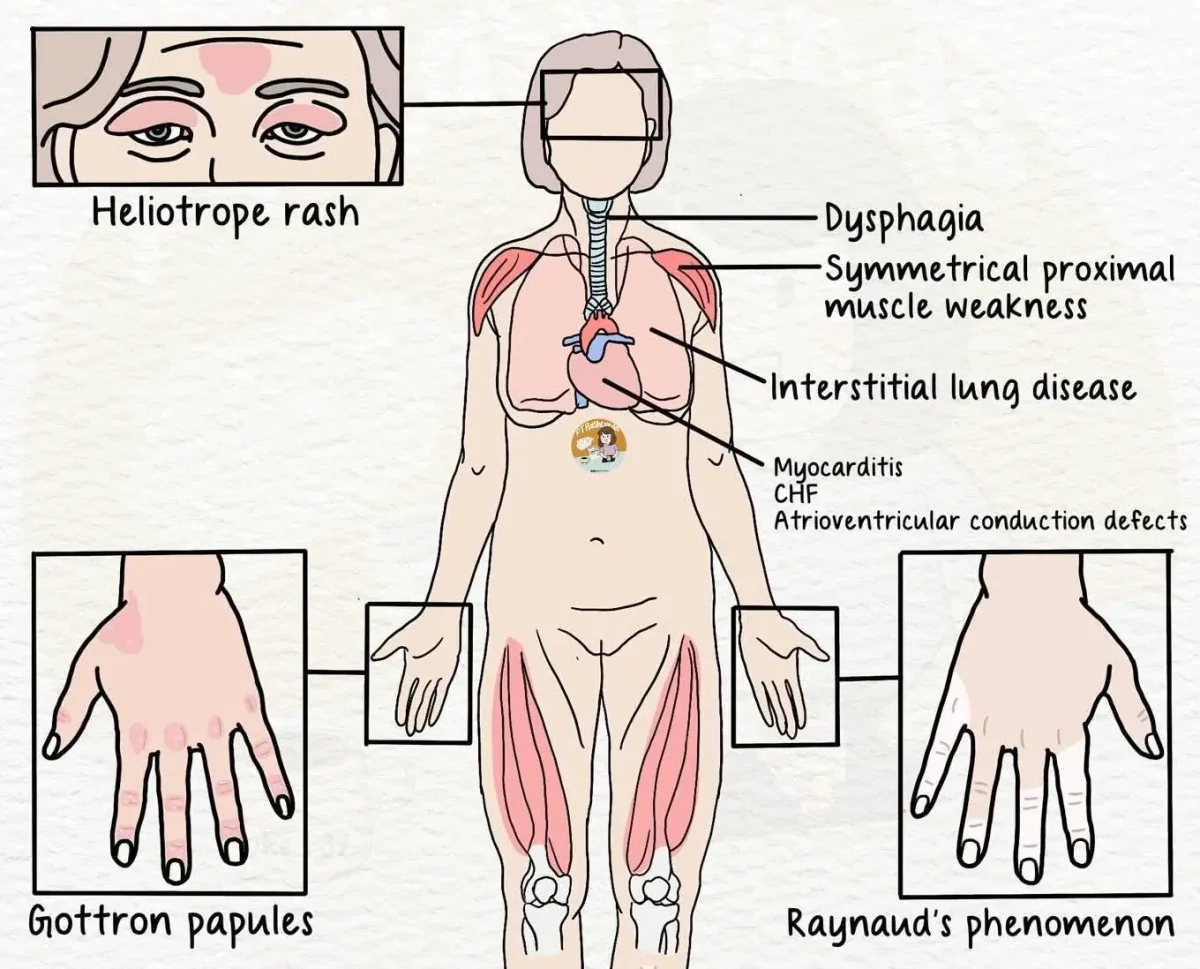
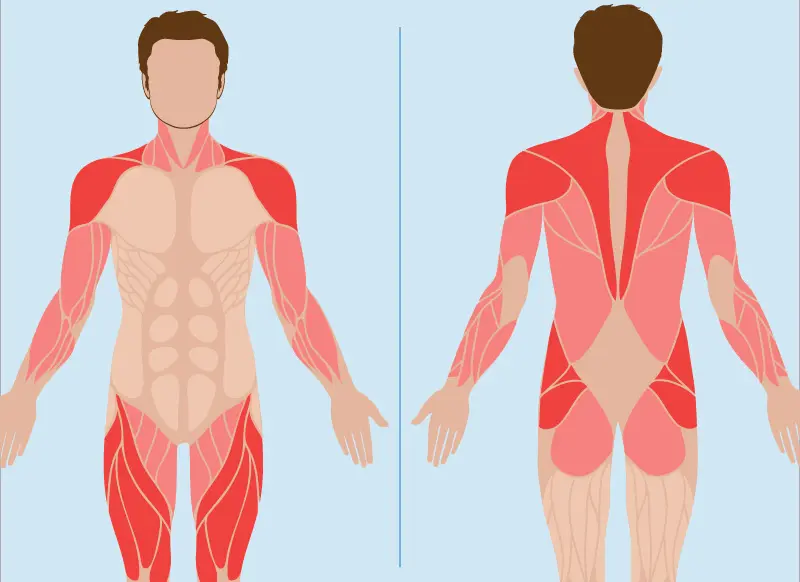
Polymyositis
Polymyositis is a rare inflammatory muscle disease that causes progressive muscle weakness, primarily affecting the skeletal muscles responsible for movement. It is an autoimmune condition, where the body’s immune system attacks muscle fibers, leading to inflammation, pain, and reduced muscle function. Polymyositis can affect adults of any age but is most commonly seen in individuals over 30. Early diagnosis and …
Polymyalgia Rheumatica
Polymyalgia Rheumatica (PMR) is an inflammatory disorder that primarily affects older adults, causing muscle pain and stiffness, particularly in the shoulders, neck, and hips. The exact cause is unknown, but it is believed to involve immune system dysfunction. PMR can develop rapidly and is often associated with systemic symptoms like fatigue and low-grade fever. Early diagnosis and treatment are important …
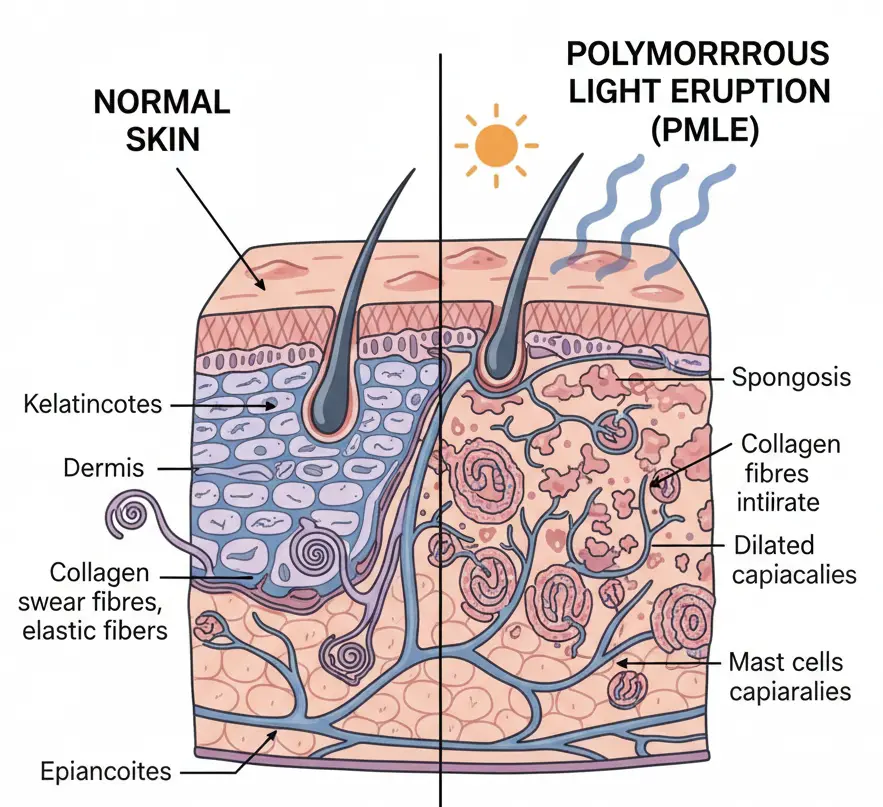
Polymorphous Light Eruption
Polymorphous Light Eruption (PMLE) is a common skin condition triggered by exposure to sunlight, especially ultraviolet (UV) light. It is an immune-mediated reaction that causes an abnormal skin response to sunlight, resulting in rashes or lesions. PMLE usually appears in the spring or summer months when sun exposure increases and often affects areas of the skin that are covered or …