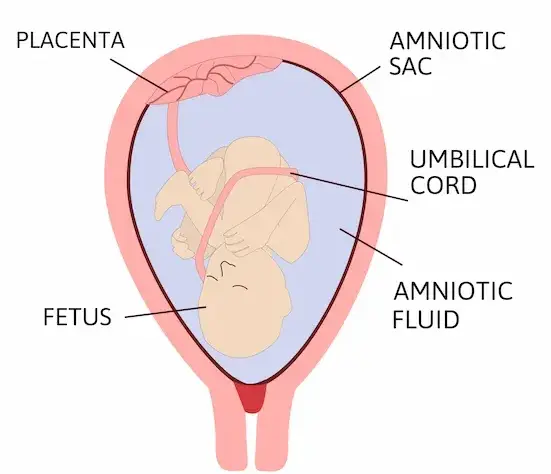
Polyhydramnios is a medical condition during pregnancy characterized by an excessive accumulation of amniotic fluid surrounding the baby in the uterus. This fluid is essential for fetal development, cushioning the baby and allowing movement, but too much can lead to complications for both mother and child. Polyhydramnios can develop gradually or suddenly and is usually diagnosed during routine prenatal ultrasounds. …
Polycythemia Vera
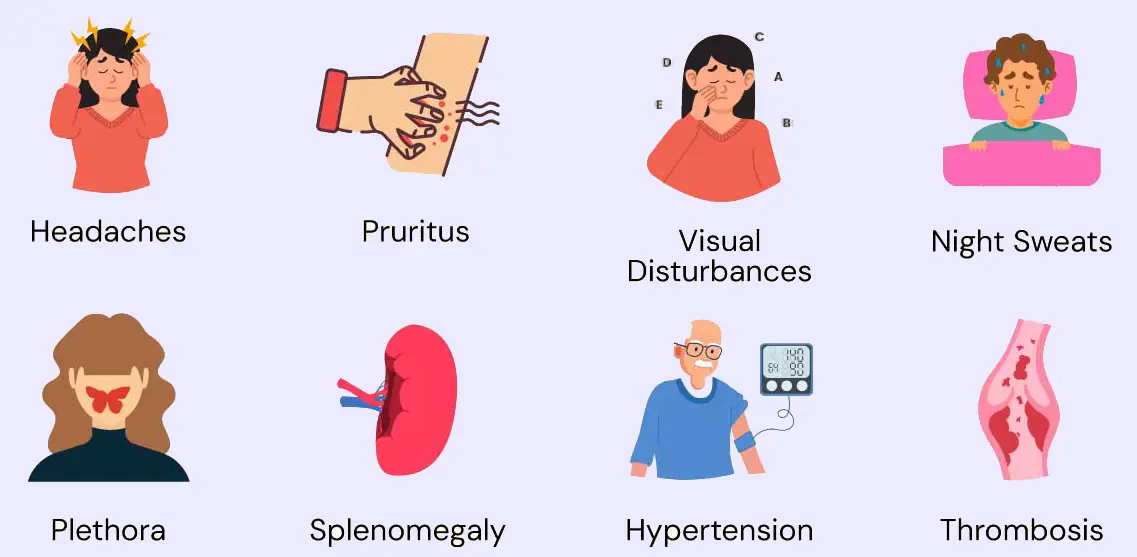
Polycythemia Vera is a rare blood disorder in which the bone marrow produces too many red blood cells. The excess red blood cells make the blood thicker than normal, which can slow blood flow and increase the risk of blood clots. In some cases, the body may also produce increased numbers of white blood cells and platelets. Polycythemia Vera is …
Polio
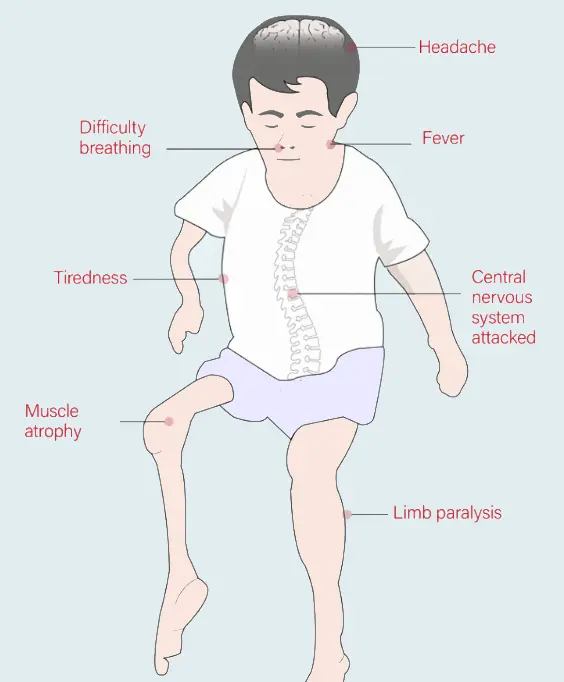
Polio, also known as poliomyelitis, is a highly contagious viral disease that primarily affects the nervous system. It is caused by the poliovirus, which spreads mainly through contaminated food, water, or close contact with an infected person. In severe cases, polio can lead to paralysis and even death. Polio mainly affects young children, but people of any age who are …
Poison Ivy Rash
Poison Ivy Rash is an allergic skin reaction that occurs after contact with poison ivy plants. The rash is caused by an oily resin called urushiol, which is found in the leaves, stems, and roots of the plant. When urushiol touches the skin, it can trigger an immune response that leads to inflammation and irritation. This condition is a form …
POEMS Syndrome
POEMS Syndrome is a rare blood disorder that affects multiple systems in the body. The name “POEMS” is an acronym that represents several key features of the condition: polyneuropathy, organomegaly, endocrinopathy, monoclonal protein, and skin changes. It is considered a type of paraneoplastic syndrome associated with an abnormal growth of plasma cells, which are a type of white blood cell …
Pneumonitis
Pneumonitis is inflammation of the lung tissue that is usually caused by irritation rather than infection. It occurs when the lungs react to certain substances, medications, radiation therapy, or inhaled particles. The inflammation can interfere with normal breathing and the lungs’ ability to exchange oxygen. Pneumonitis can develop suddenly after exposure to an irritant or may develop gradually over time …
Pneumonia
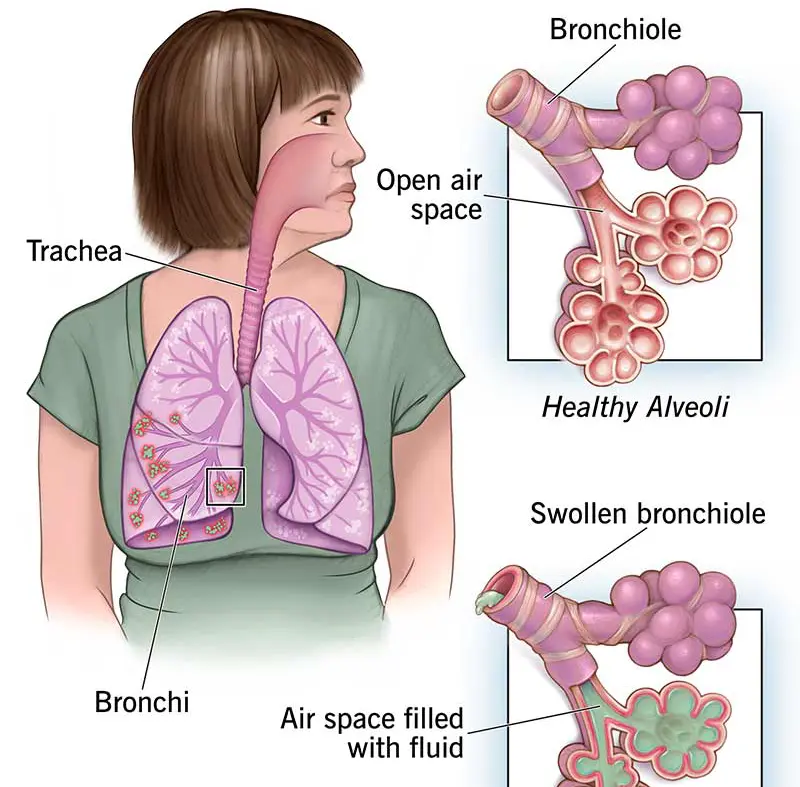
Pneumonia is an infection that inflames the air sacs in one or both lungs. The air sacs, also called alveoli, may fill with fluid or pus, making it difficult for oxygen to pass into the bloodstream. This can cause breathing problems and other symptoms ranging from mild to severe. Pneumonia can be caused by bacteria, viruses, or fungi. It affects …
Primary Lateral Sclerosis (PLS)
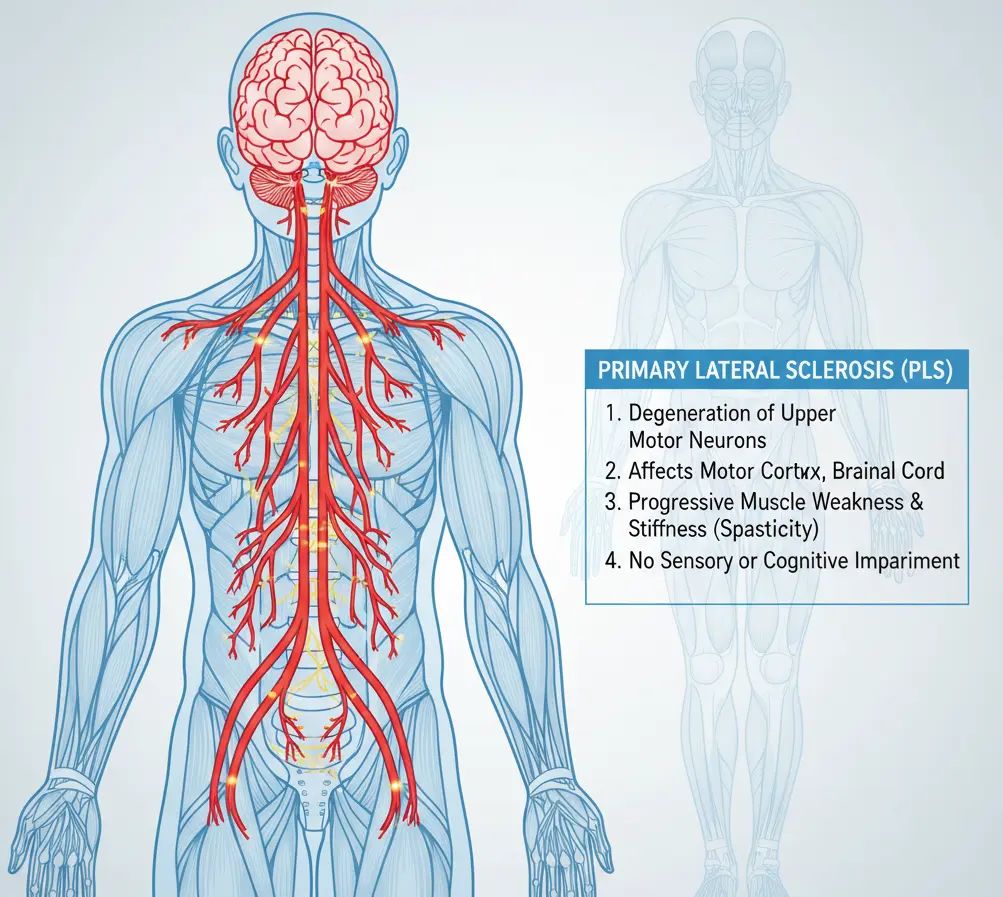
Primary lateral sclerosis (PLS) is a rare neurological disorder that affects the nerve cells responsible for controlling voluntary muscle movement. Specifically, it damages the upper motor neurons in the brain, which send signals to the muscles that allow the body to move. As these nerve cells gradually deteriorate, muscle control becomes increasingly difficult. PLS progresses slowly and primarily causes muscle …
Pleurisy
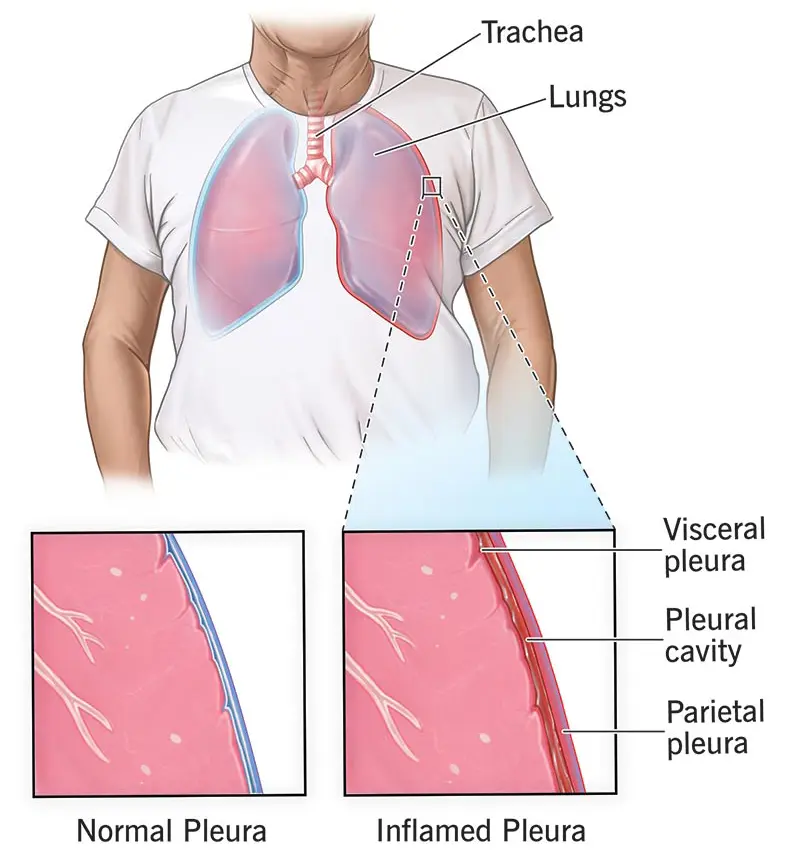
Pleurisy is a condition in which the pleura, the thin layers of tissue that line the lungs and the inside of the chest cavity, become inflamed. Normally, these layers slide smoothly against each other during breathing. When inflammation occurs, the layers rub together, causing sharp chest pain. The pain associated with pleurisy often becomes worse during breathing, coughing, or sneezing. …
Placental Abruption
Placental abruption is a serious pregnancy condition in which the placenta partially or completely separates from the inner wall of the uterus before the baby is delivered. The placenta normally provides oxygen and nutrients to the baby during pregnancy. When it separates too early, it can disrupt the baby’s supply of oxygen and nutrients and cause significant bleeding in the …