Pemphigus

admin

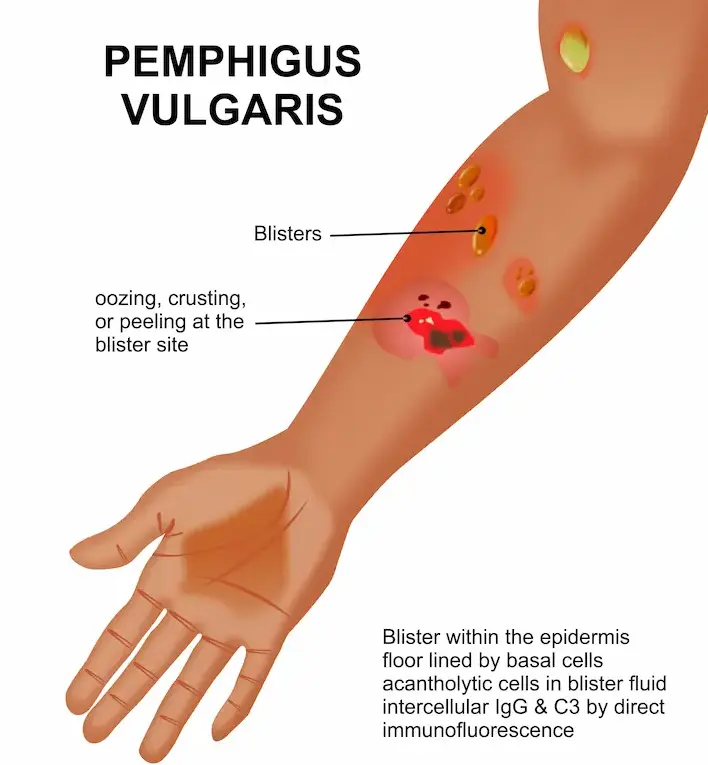
Pemphigus is a rare autoimmune skin disorder that causes painful blisters and sores on the skin and mucous membranes. It occurs when the immune system mistakenly attacks healthy skin cells, leading to the separation of skin layers and the formation of fragile blisters. These blisters can easily break, leaving open sores that may become painful and prone to infection. Pemphigus …
Pelvic Organ Prolapse

admin

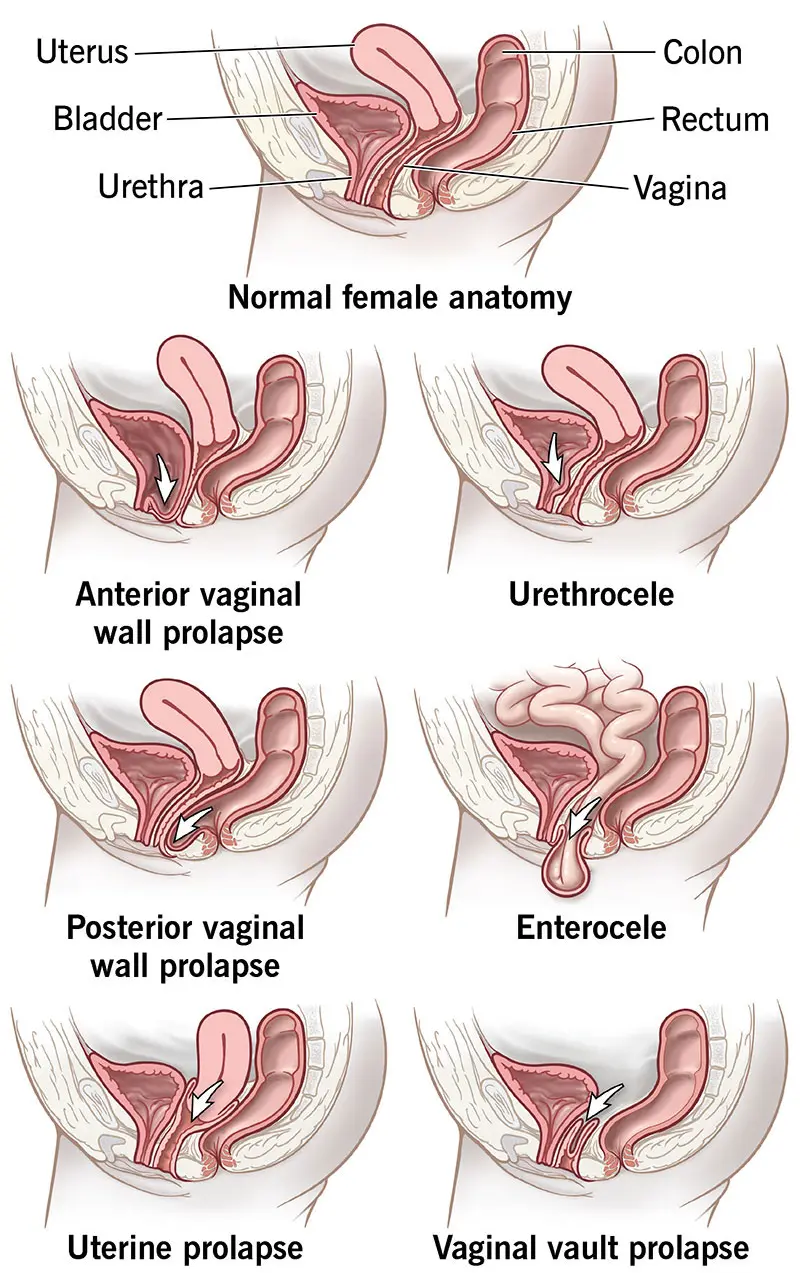
Pelvic Organ Prolapse is a condition in which one or more pelvic organs drop or press into the vaginal canal due to weakened or stretched pelvic floor muscles and supporting tissues. The organs that may be affected include the bladder, uterus, rectum, or small intestine. These organs normally stay in place with the support of muscles, ligaments, and connective tissues …

Pelvic Inflammatory Disease (PID)

admin

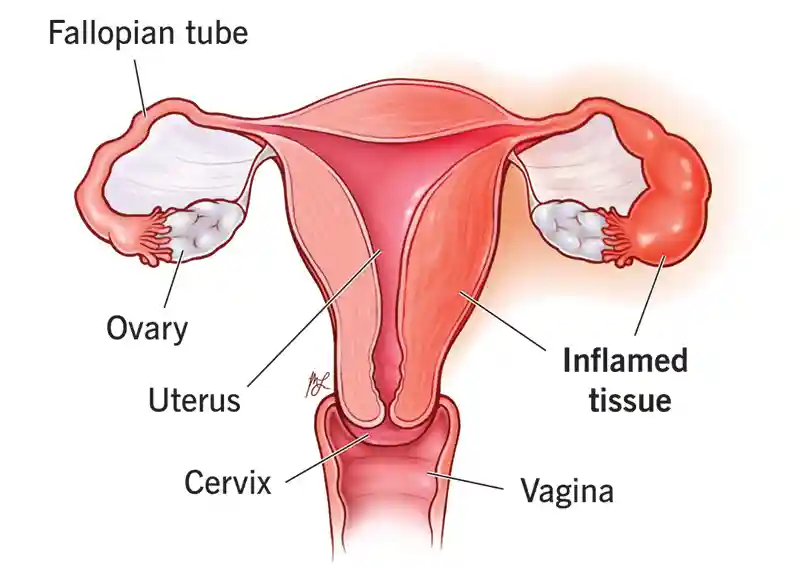
Pelvic Inflammatory Disease (PID) is an infection of the female reproductive organs, including the uterus, fallopian tubes, and ovaries. It usually occurs when bacteria from the vagina or cervix spread upward into the reproductive tract. PID is most commonly associated with sexually transmitted infections, particularly chlamydia and gonorrhea. The condition can cause inflammation and damage to reproductive tissues. In some …

Polycystic Ovary Syndrome (PCOS)

admin

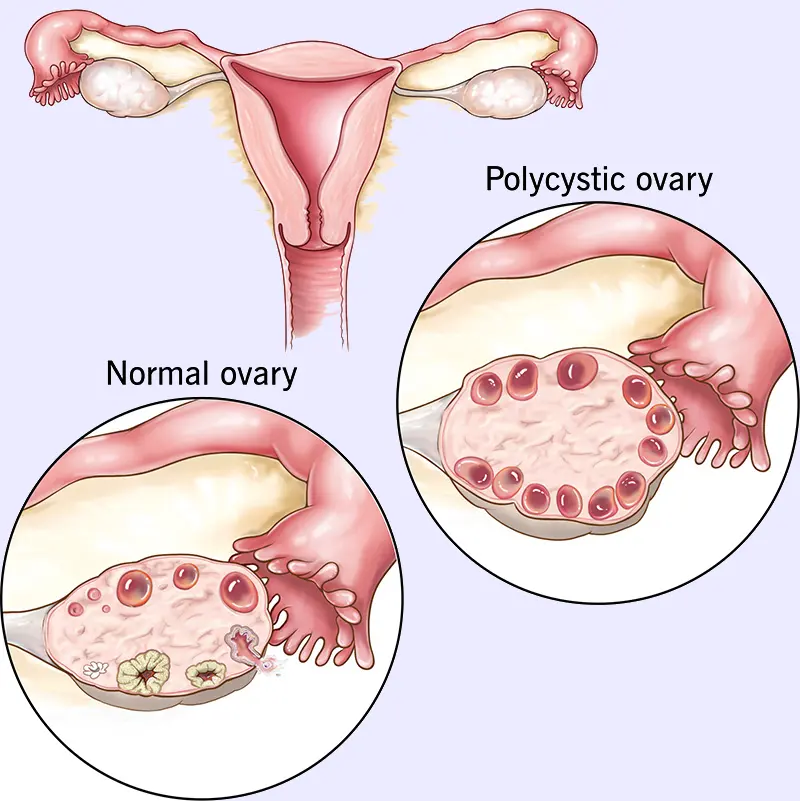
Polycystic Ovary Syndrome (PCOS) is a common hormonal disorder that affects women of reproductive age. It occurs when the ovaries produce higher-than-normal levels of androgens, which are male hormones that are normally present in small amounts in women. These hormonal imbalances can interfere with the normal development and release of eggs during ovulation. In PCOS, the ovaries may develop numerous …

Patent Ductus Arteriosus (PDA)

admin

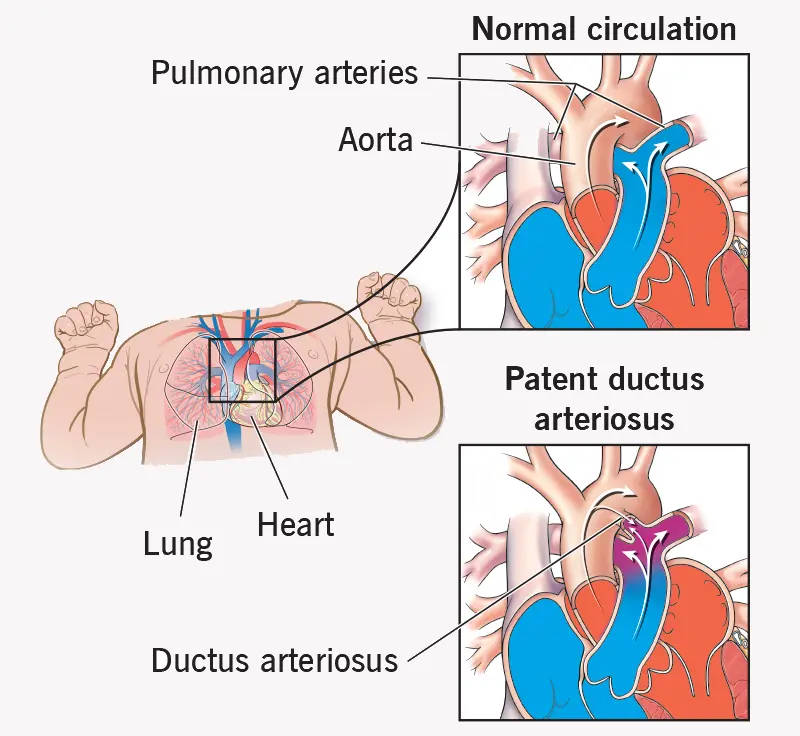
Patent Ductus Arteriosus (PDA) is a congenital heart condition in which a blood vessel called the ductus arteriosus fails to close after birth. During fetal development, this vessel connects the pulmonary artery to the aorta and allows blood to bypass the lungs, since the fetus receives oxygen from the placenta. Normally, the ductus arteriosus closes shortly after birth when the …

Patellofemoral Pain Syndrome

admin

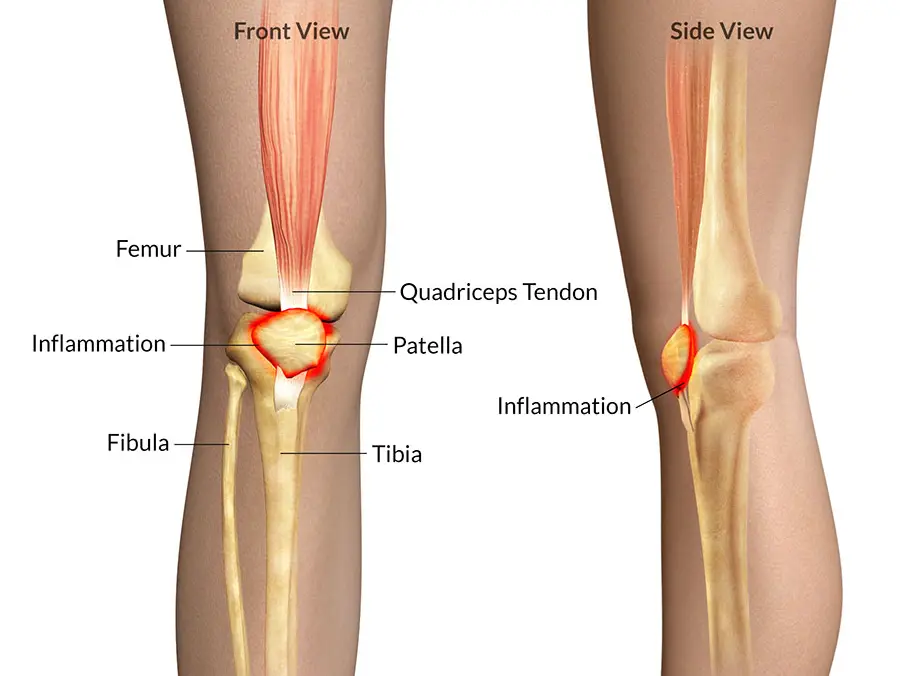
Patellofemoral Pain Syndrome (PFPS) is a common knee condition characterized by pain around or behind the kneecap (patella). It occurs when the patella does not move properly along the groove at the end of the thigh bone (femur), leading to irritation of the surrounding tissues. Because it frequently affects people who run or participate in sports, it is often referred …

Parotid Tumors

admin

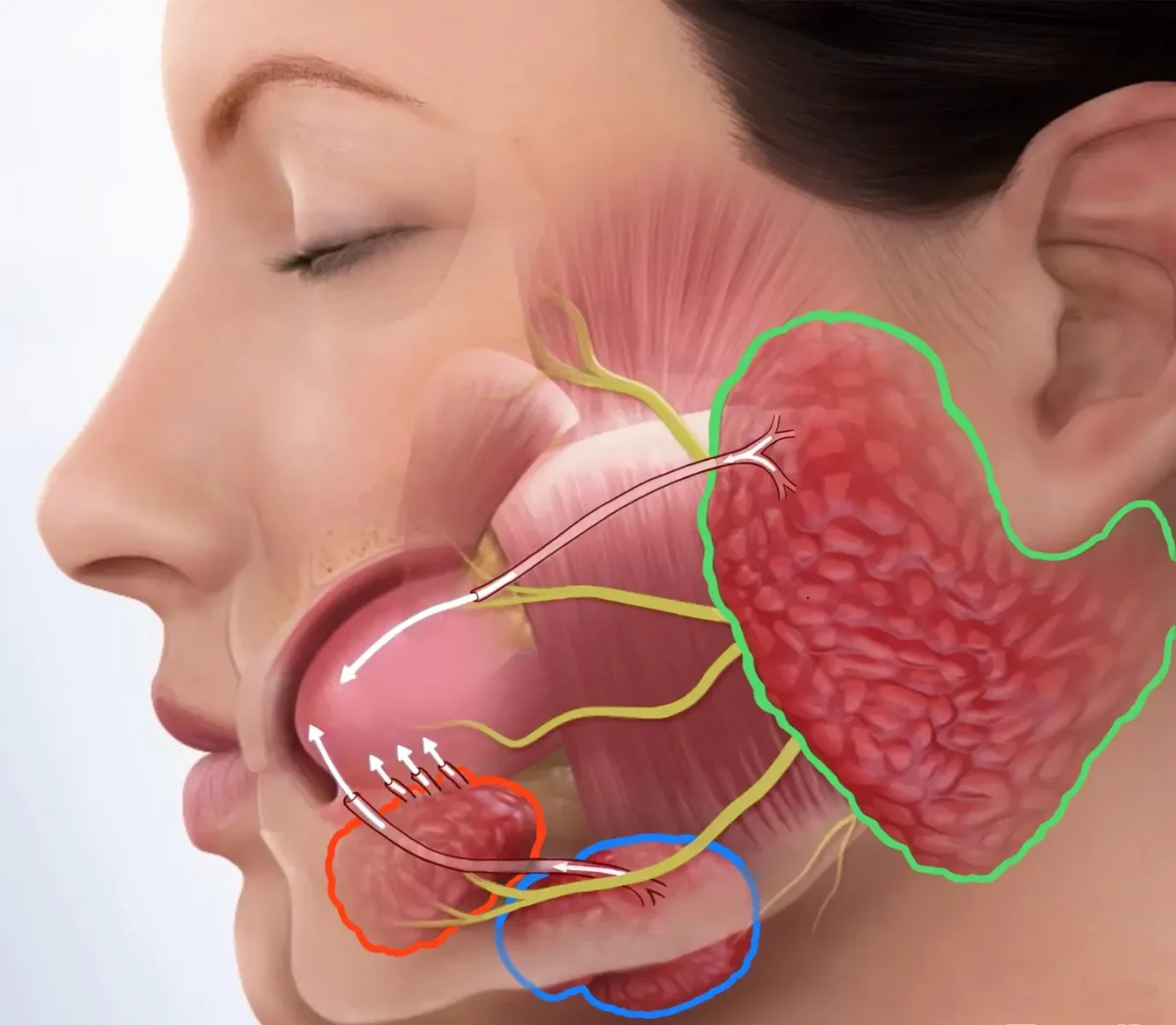
Parotid tumors are abnormal growths that develop in the parotid glands, the largest of the salivary glands. These glands are located on each side of the face just in front of the ears and are responsible for producing saliva that helps with digestion and oral health. Parotid tumors can be benign (noncancerous) or malignant (cancerous), but most are benign. These …

Parkinson’s Disease

admin

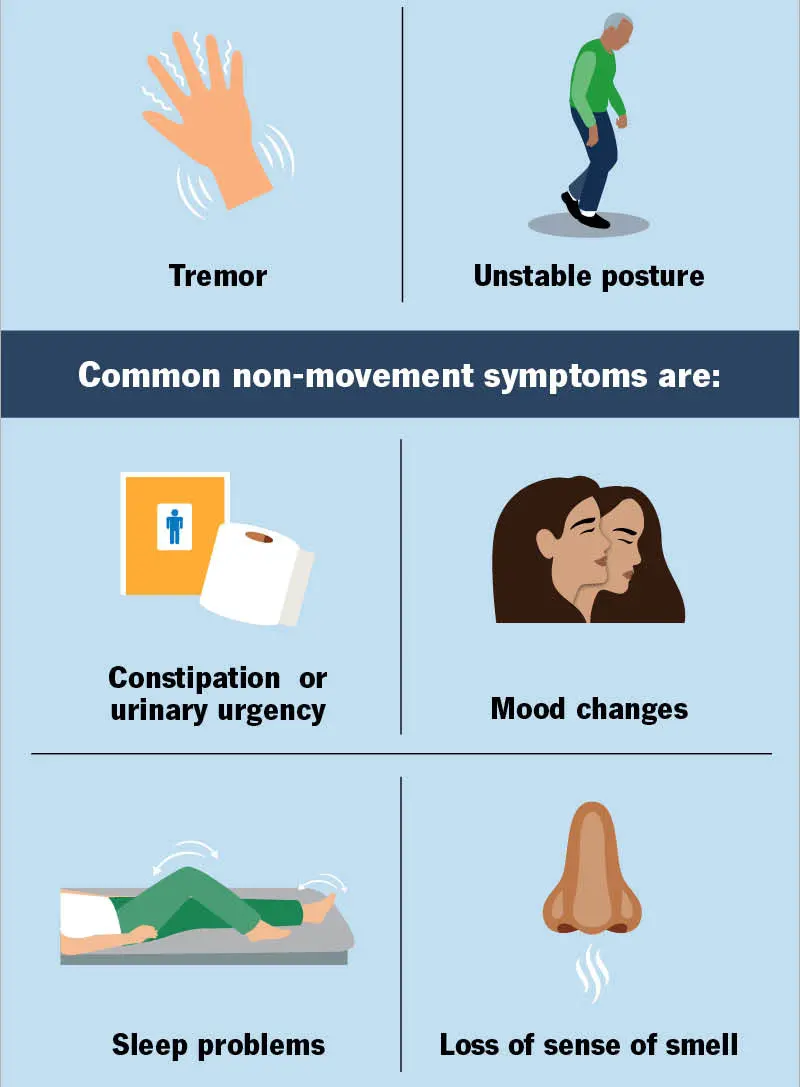
Parkinson’s Disease is a progressive neurological disorder that primarily affects movement. It develops when nerve cells in a part of the brain called the substantia nigra become damaged or die. These cells normally produce dopamine, a chemical that helps control smooth and coordinated muscle movements. As dopamine levels decrease, movement becomes slower and less controlled. Parkinson’s Disease usually develops gradually …

Paraganglioma

admin

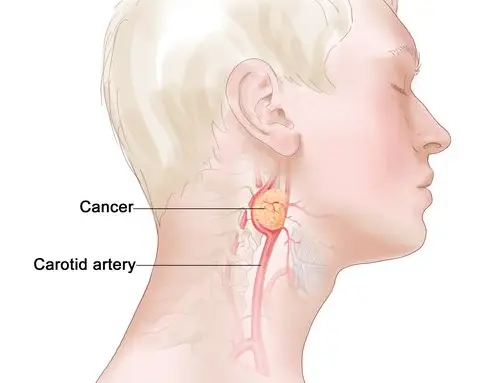
Paraganglioma is a rare type of tumor that develops from specialized cells called paraganglia. These cells are part of the body’s neuroendocrine system and are involved in regulating functions such as blood pressure and the body’s response to stress. Paraganglia are found in various parts of the body, particularly along nerves and blood vessels. Paragangliomas can occur in different areas, …

Partial Anomalous Pulmonary Venous Return

admin

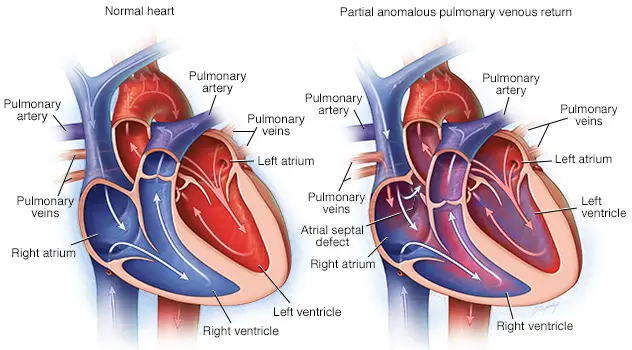
Partial Anomalous Pulmonary Venous Return (PAPVR) is a rare congenital heart condition in which one or more pulmonary veins do not connect normally to the left atrium of the heart. Instead, these veins connect to the right atrium or to veins that lead to the right side of the heart. Because of this abnormal connection, oxygen-rich blood from the lungs …