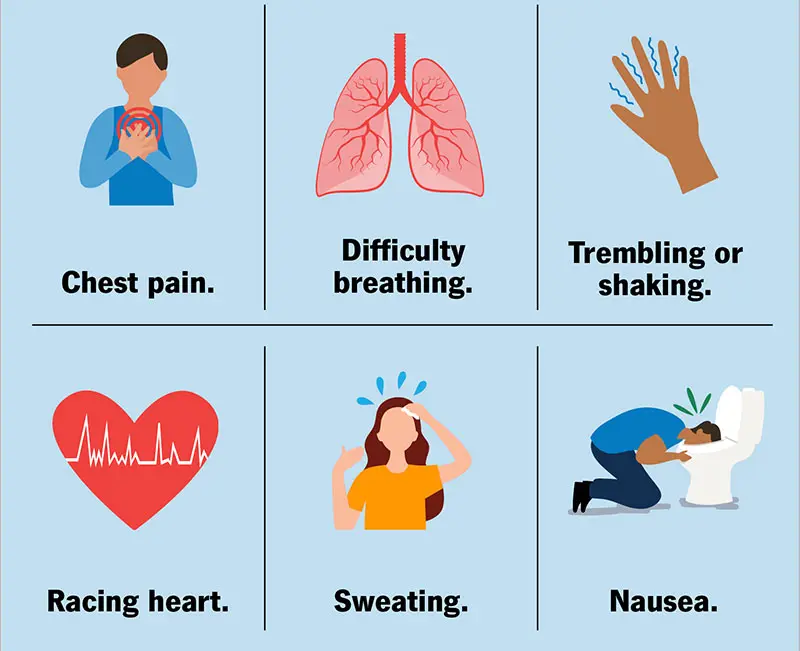
Panic attacks and panic disorder are conditions related to sudden and intense episodes of fear or discomfort. A panic attack is a brief period of overwhelming anxiety that can cause strong physical and emotional symptoms. These attacks often occur unexpectedly and may happen even when there is no obvious danger. Panic disorder is a type of anxiety disorder in which …
Pancreatitis
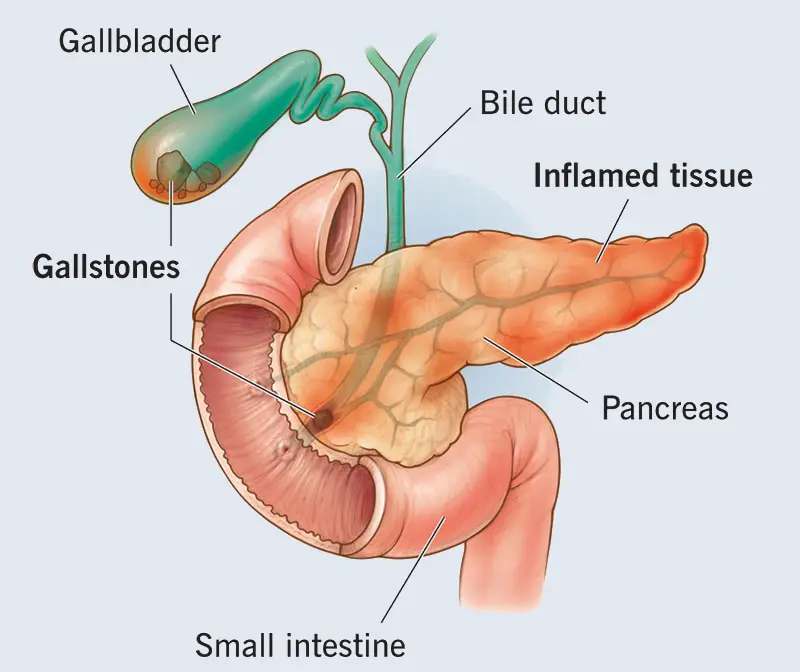
Pancreatitis is a condition characterized by inflammation of the pancreas, an organ located behind the stomach that plays an essential role in digestion and blood sugar regulation. The pancreas produces digestive enzymes that help break down food and hormones such as insulin that control blood sugar levels. When the pancreas becomes inflamed, its digestive enzymes may start attacking the pancreatic …
Paget’s Disease of the Breast
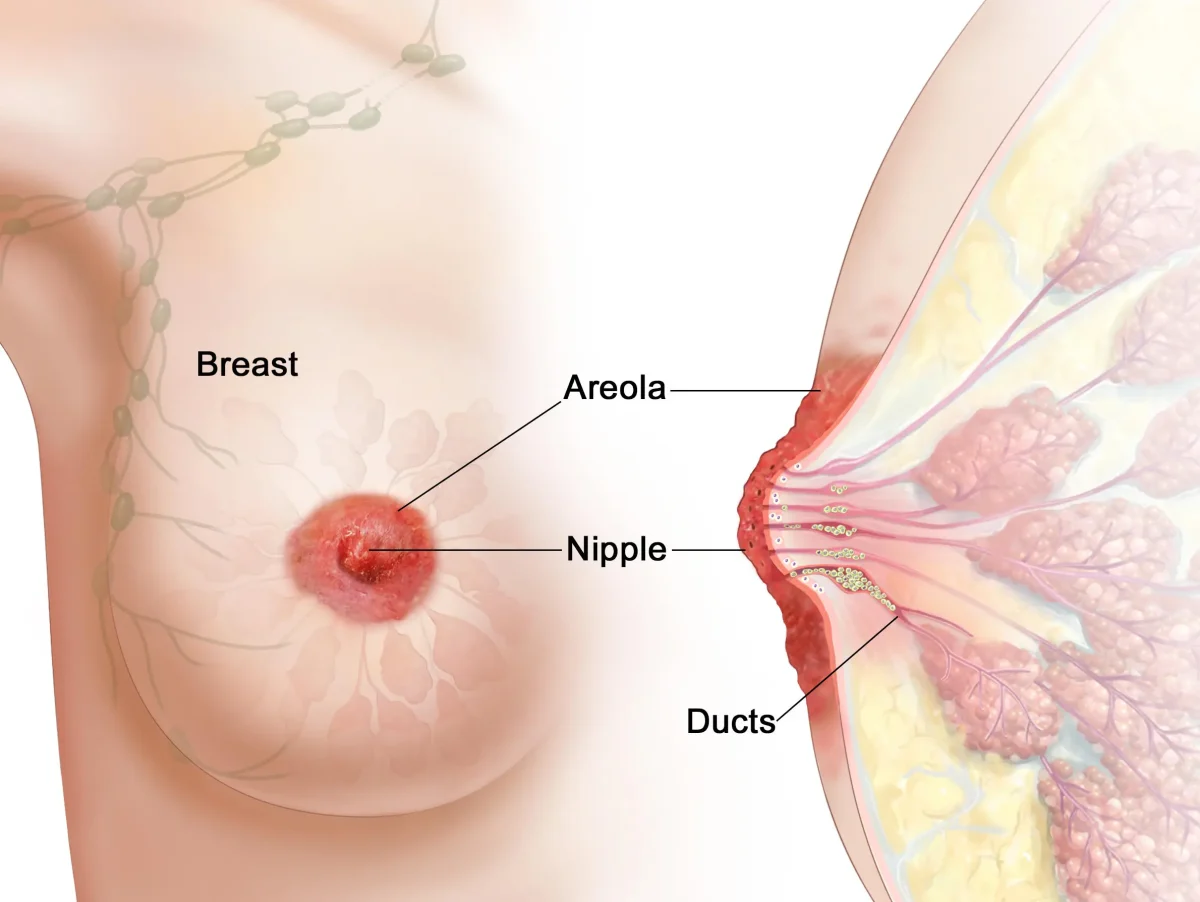
Paget’s Disease of the Breast is a rare type of breast cancer that affects the skin of the nipple and often the darker area surrounding it, known as the areola. It usually appears as eczema-like changes on the nipple and may be associated with an underlying breast tumor, such as ductal carcinoma in situ (DCIS) or invasive breast cancer. This …
Paget’s Disease of Bone
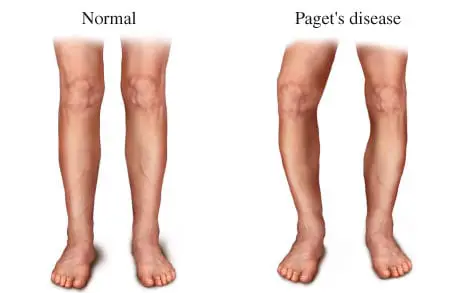
Paget’s Disease of the Breast is a rare type of breast cancer that affects the skin of the nipple and often the darker circle of skin around it, called the areola. It usually develops alongside another type of breast cancer, most commonly ductal carcinoma in situ (DCIS) or invasive breast cancer located within the breast tissue. This condition occurs when …
Popliteal Artery Entrapment
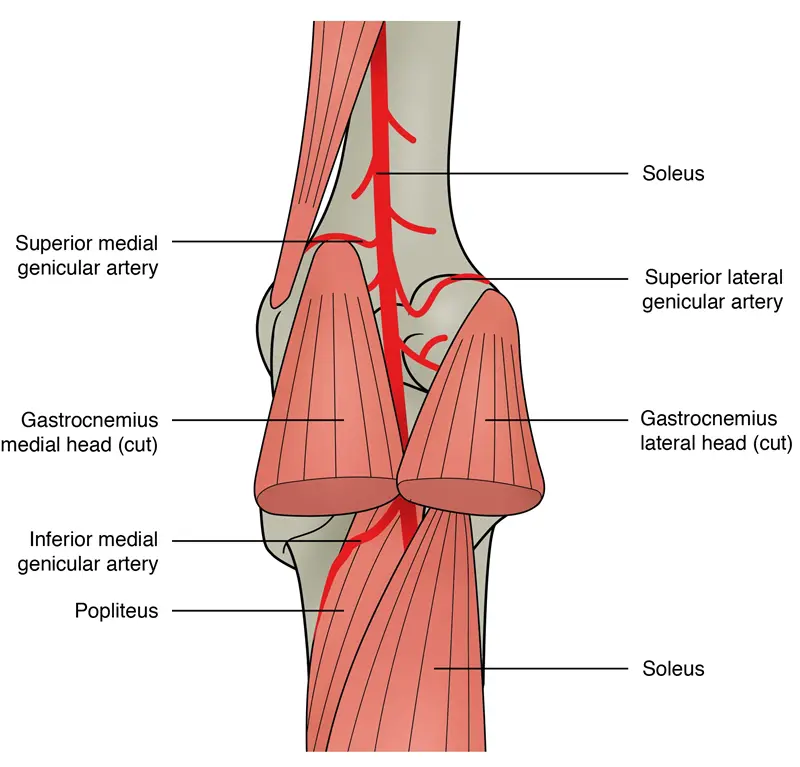
Popliteal artery entrapment is a rare vascular condition in which the popliteal artery, located behind the knee, is compressed by surrounding muscles or tendons. This compression can reduce blood flow to the lower leg and foot, leading to pain and other circulatory problems. The condition is often congenital, meaning it develops during embryonic growth, but symptoms may not appear until …
Peripheral Artery Disease (PAD)
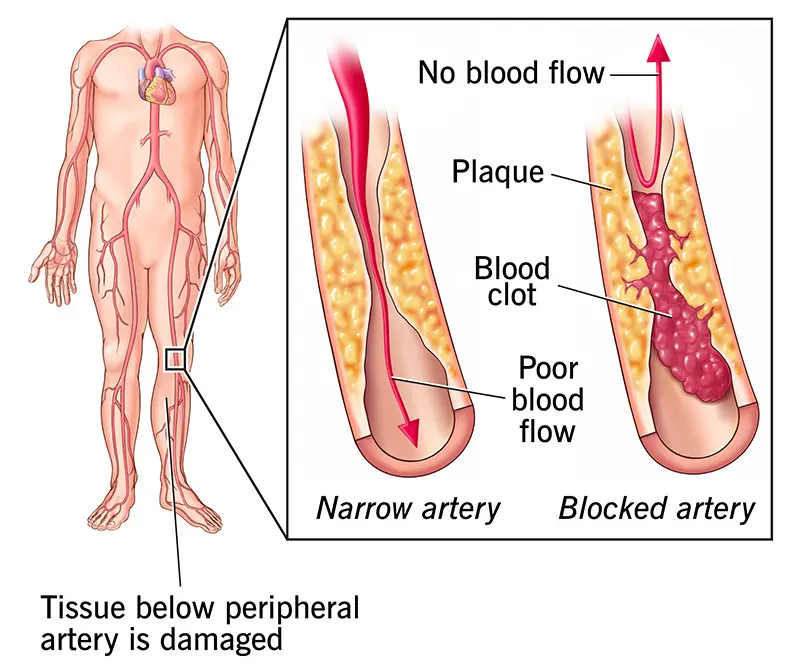
Peripheral Artery Disease (PAD) is a common circulatory condition in which narrowed arteries reduce blood flow to the limbs, most often affecting the legs. It occurs when fatty deposits build up in the arteries, a process known as atherosclerosis. This buildup restricts the flow of oxygen-rich blood to muscles and tissues. People with PAD may experience leg pain while walking …
Osteoporosis
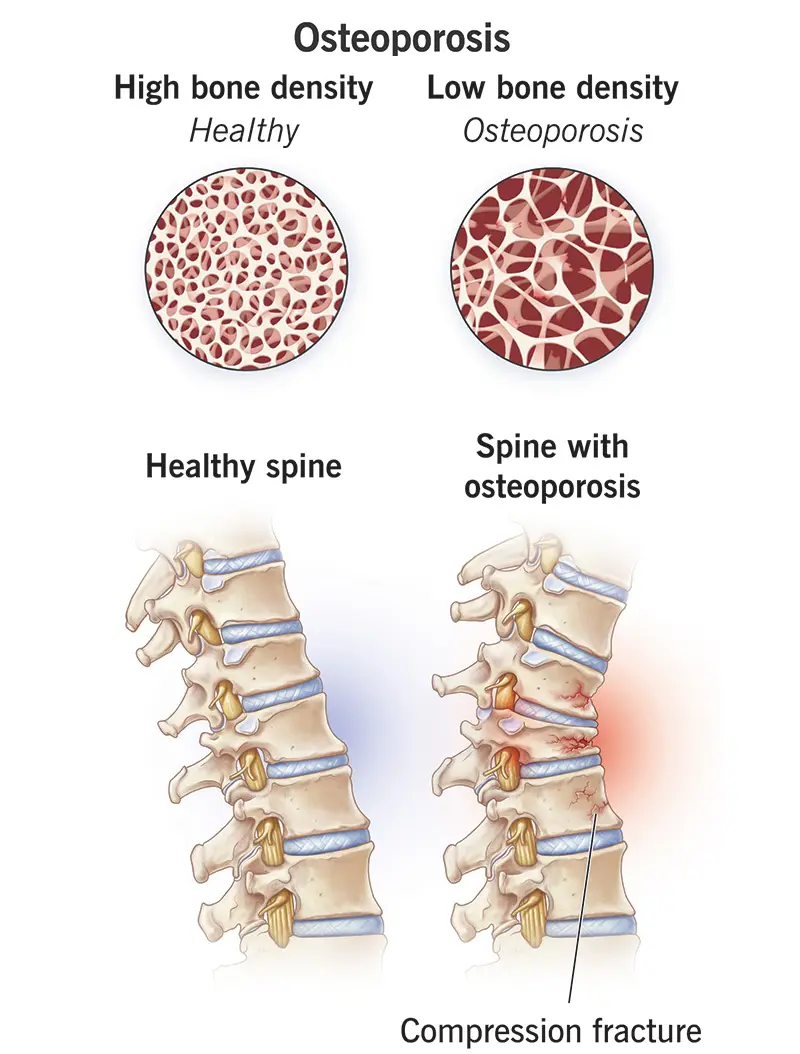
Osteoporosis is a progressive bone disease characterized by decreased bone density and weakened bone structure, which increases the risk of fractures. It often develops silently over many years and is most common in older adults, especially postmenopausal women. Bones most frequently affected include the spine, hips, and wrists. Symptoms Osteoporosis is often called a “silent disease” because bone loss occurs …
Osteosarcoma
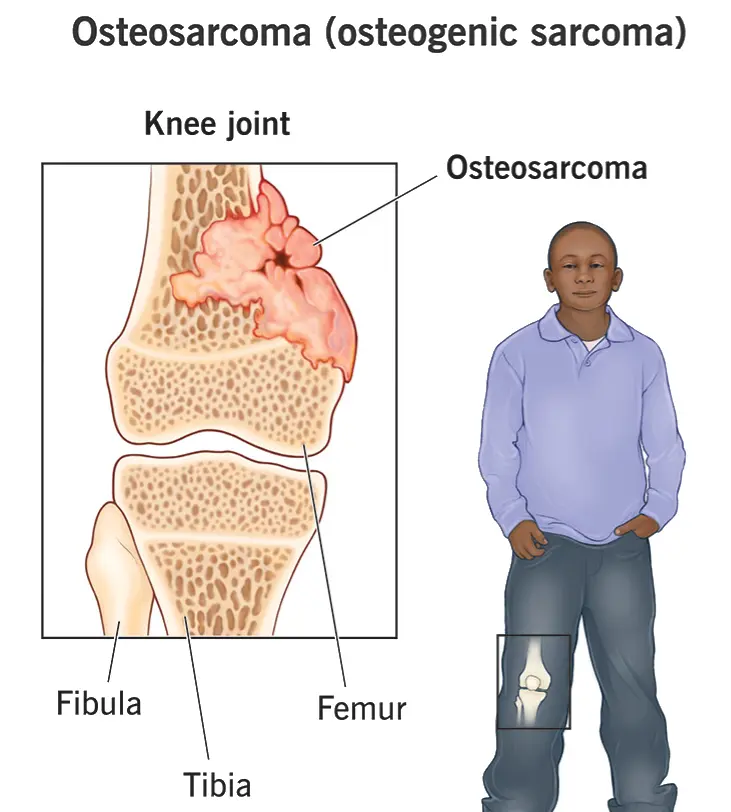
Osteosarcoma is a rare but aggressive type of bone cancer that typically develops in the long bones, such as the arms, legs, or near the knees. It primarily affects children, adolescents, and young adults. Osteosarcoma arises from immature bone-forming cells and can spread (metastasize) to other parts of the body, most commonly the lungs. Early diagnosis and treatment are critical …
Osteochondritis Dissecans
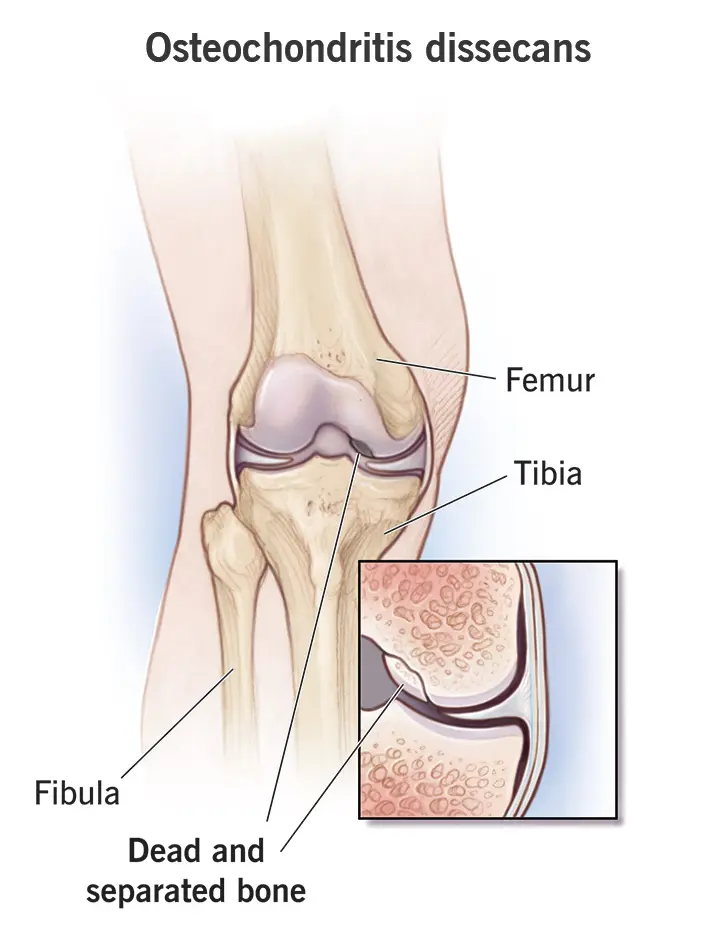
Osteochondritis dissecans is a joint condition in which a small segment of bone and the overlying cartilage loses its blood supply and begins to separate from the surrounding bone. This can lead to pain, swelling, and impaired joint movement. The condition most commonly affects the knee but can also involve the elbow, ankle, or other joints. It is seen more …
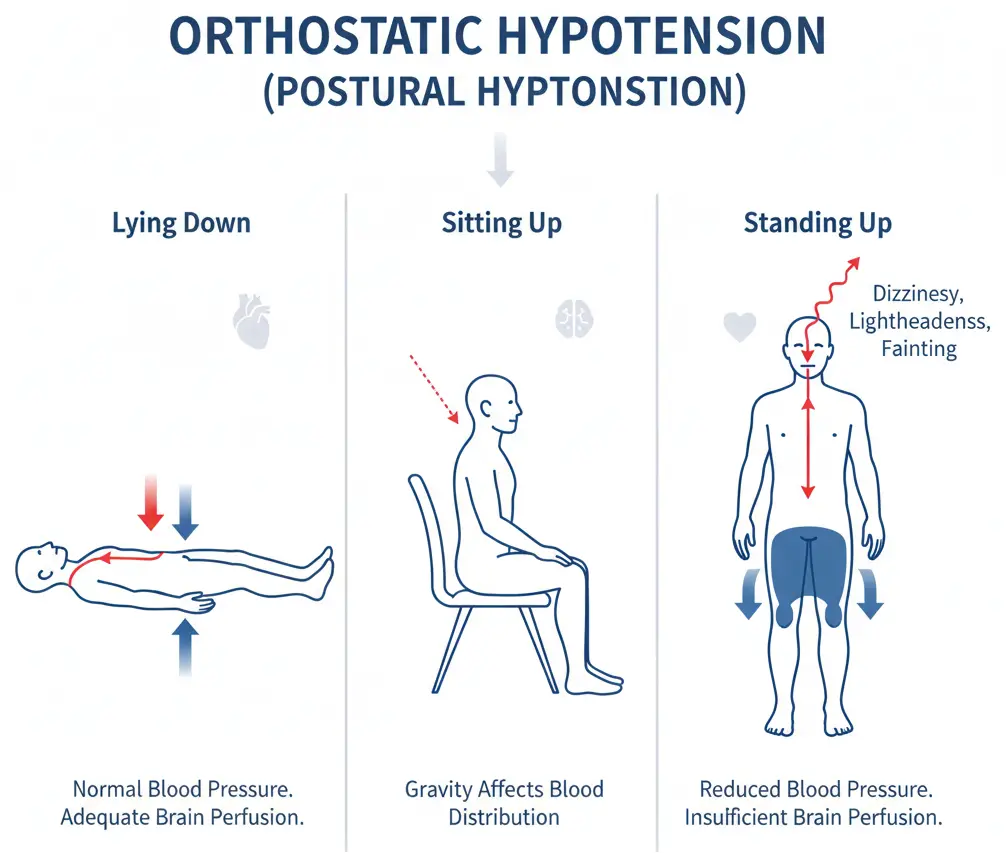
Orthostatic Hypotension (Postural Hypotension)
Orthostatic hypotension, also known as postural hypotension, is a condition in which blood pressure drops significantly when a person stands up from a sitting or lying position. This sudden drop reduces blood flow to the brain and can cause dizziness or fainting. It is more common in older adults but can occur at any age, especially in individuals with underlying …