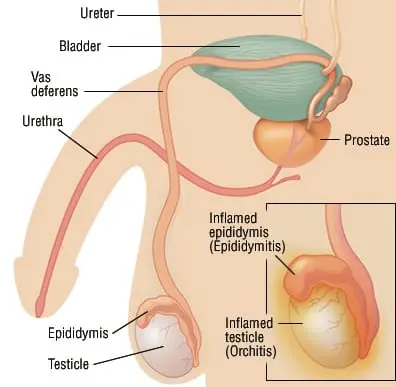
Orchitis is an inflammatory condition of one or both testicles, most commonly caused by infection. It can occur suddenly and may be painful, leading to swelling and discomfort in the scrotum. Orchitis often develops as a complication of viral or bacterial infections and may occur alone or together with inflammation of the epididymis. Symptoms Symptoms of orchitis can range from …
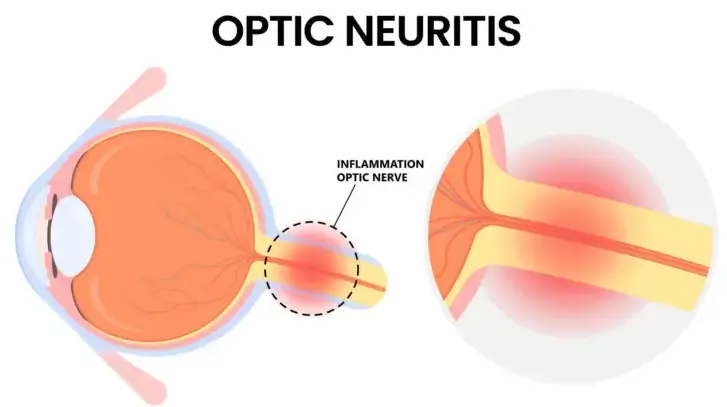
Optic Neuritis
Optic neuritis is an inflammatory condition affecting the optic nerve, which transmits visual information from the eye to the brain. Inflammation of this nerve can disrupt vision, often developing rapidly over hours to days. Optic neuritis commonly affects young adults and may be associated with neurological disorders, particularly demyelinating diseases. Symptoms Symptoms of optic neuritis typically affect one eye, though …
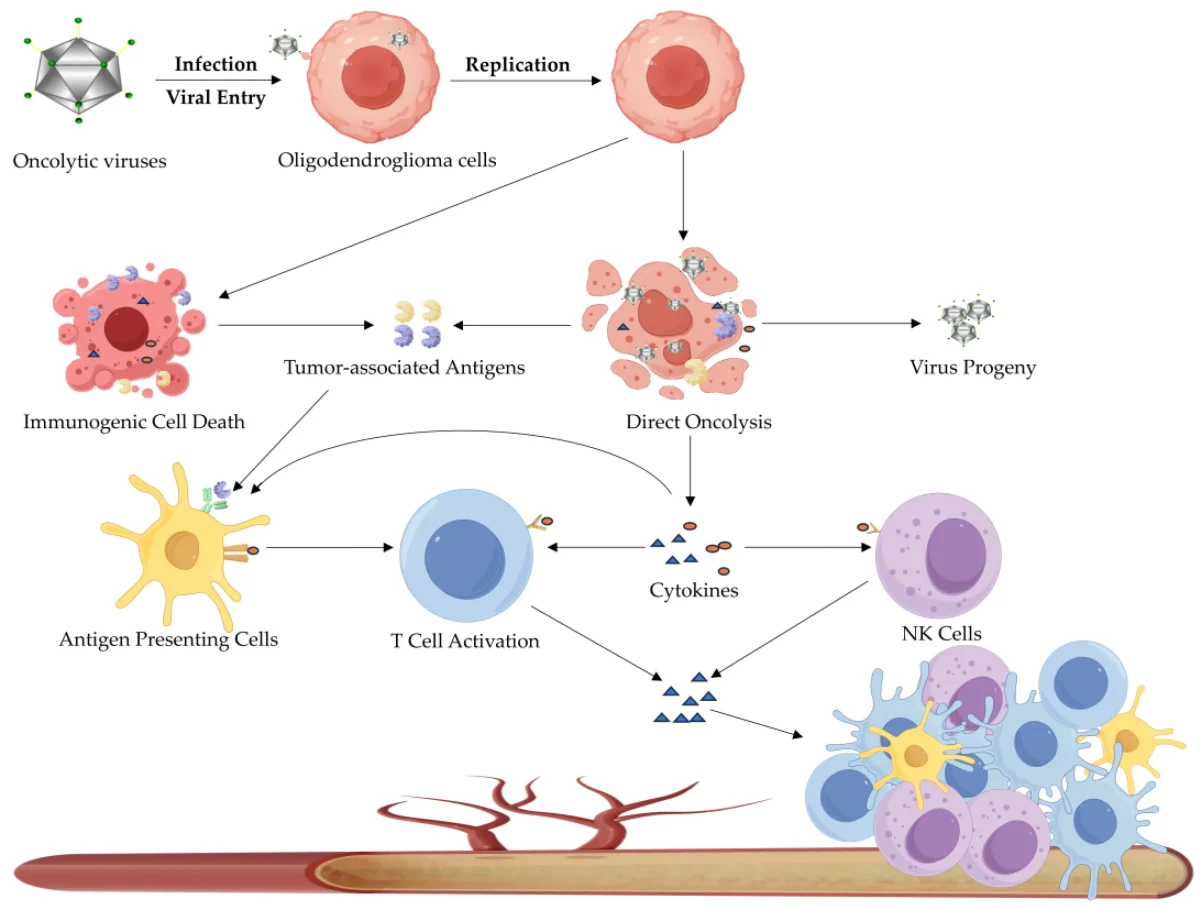
Oligodendroglioma
Oligodendroglioma is a rare type of primary brain tumor that originates from oligodendrocytes, the cells responsible for producing myelin, the protective covering of nerve fibers in the central nervous system. These tumors are generally slow-growing and are most commonly diagnosed in adults, particularly in middle age. Oligodendrogliomas often develop in the cerebral hemispheres and can affect brain function depending on …
Ovarian Hyperstimulation Syndrome
Ovarian Hyperstimulation Syndrome (OHSS) is a medical condition that can occur as a complication of fertility treatments, particularly those involving injectable hormone medications to stimulate ovulation. OHSS causes the ovaries to become swollen and painful, and in severe cases, it can lead to fluid accumulation in the abdomen and chest, blood clots, and other serious complications. Early recognition and monitoring …
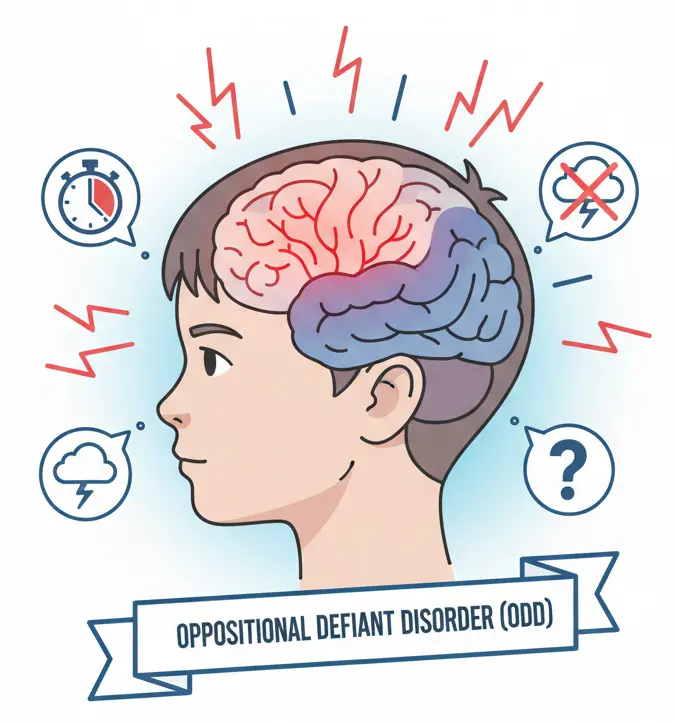
Oppositional Defiant Disorder (ODD)
Oppositional Defiant Disorder (ODD) is a behavioral disorder typically diagnosed in childhood or adolescence. It is characterized by a persistent pattern of angry, irritable mood, argumentative or defiant behavior, and vindictiveness toward authority figures. These behaviors go beyond typical childhood misbehavior and can significantly interfere with family life, school performance, and social relationships. Symptoms Symptoms of ODD are usually grouped …
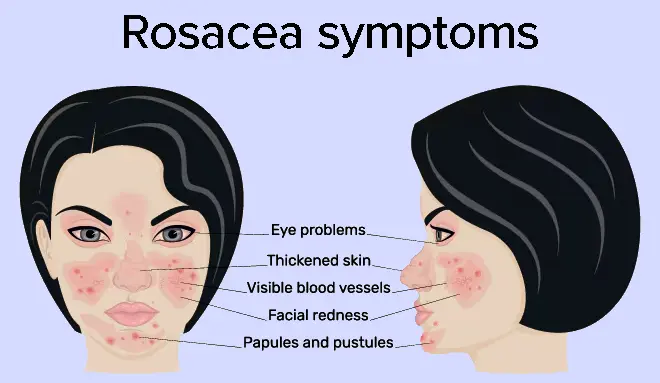
Ocular Rosacea
Ocular rosacea is a chronic inflammatory condition that affects the eyes and eyelids and is commonly associated with rosacea of the skin. It can cause irritation, redness, and discomfort in the eyes and may occur even without obvious facial skin symptoms. Early recognition is important, as untreated ocular rosacea can lead to persistent eye problems and, in severe cases, vision …
Pediatric Obstructive Sleep Apnea
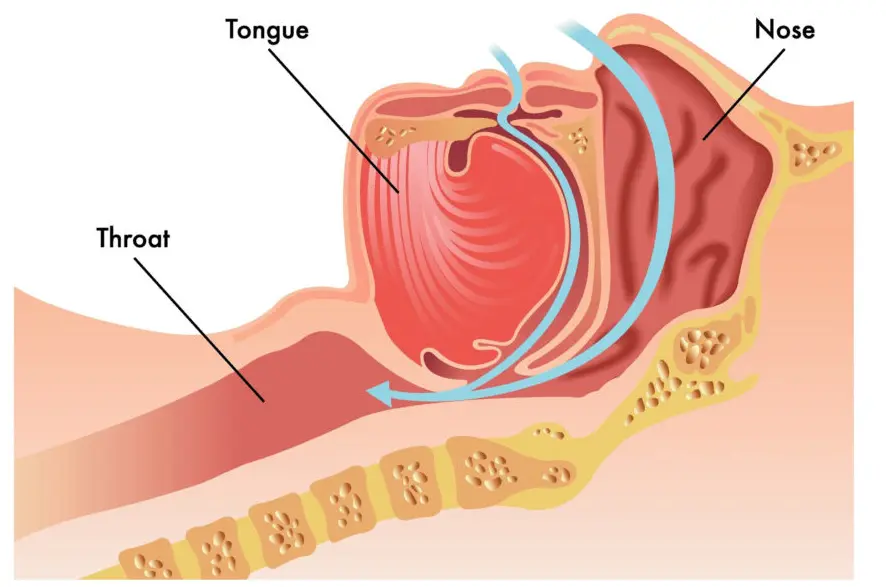
Pediatric Obstructive Sleep Apnea is a sleep disorder in children in which breathing repeatedly stops and starts during sleep due to partial or complete blockage of the upper airway. These breathing interruptions can reduce oxygen levels and disturb normal sleep patterns. The condition is most commonly caused by enlarged tonsils or adenoids that block the airway during sleep. Pediatric Obstructive …
Obstructive Sleep Apnea
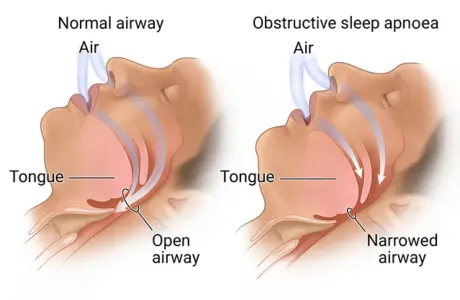
Obstructive Sleep Apnea (OSA) is a common sleep-related breathing disorder in which the upper airway repeatedly becomes partially or completely blocked during sleep. These interruptions cause breathing to stop and start multiple times throughout the night, leading to poor sleep quality and reduced oxygen levels. OSA can affect both adults and children and is associated with significant health risks if …
Obsessive-Compulsive Disorder (OCD)
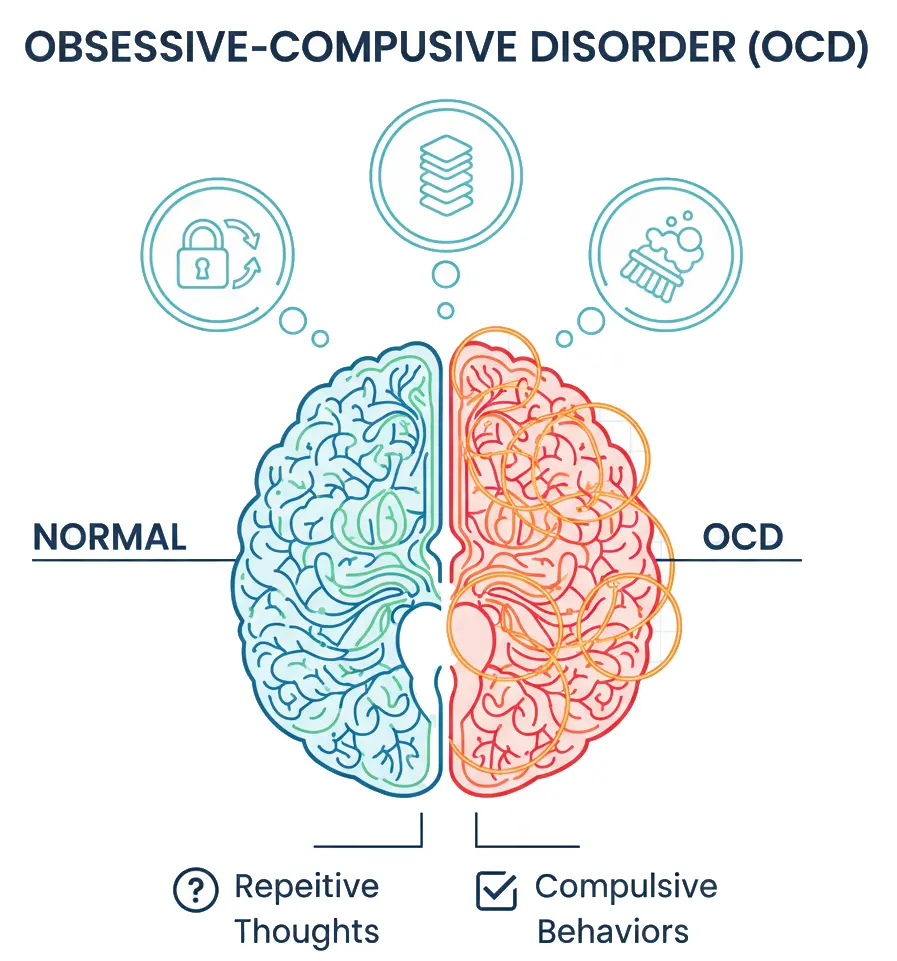
Obsessive-Compulsive Disorder (OCD) is a chronic mental health condition characterized by persistent, unwanted thoughts known as obsessions and repetitive behaviors or mental acts called compulsions. These obsessions and compulsions can interfere significantly with daily life, work, and relationships. OCD affects people of all ages and is not simply a habit or personality trait but a recognized psychiatric disorder that often …
Obesity
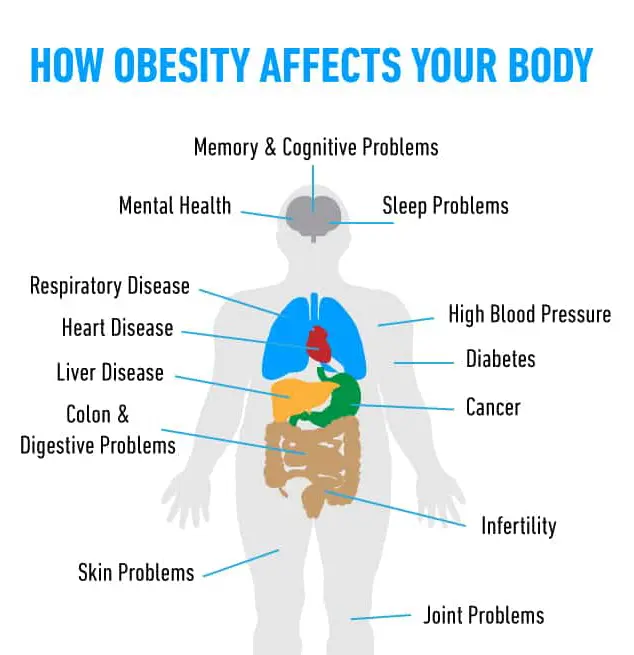
Obesity is a chronic medical condition characterized by excessive accumulation of body fat that increases the risk of health problems. It is commonly assessed using body mass index (BMI), where a BMI of 30 or higher is classified as obesity. Obesity is a complex condition influenced by genetic, behavioral, environmental, and metabolic factors, and it affects people of all ages …