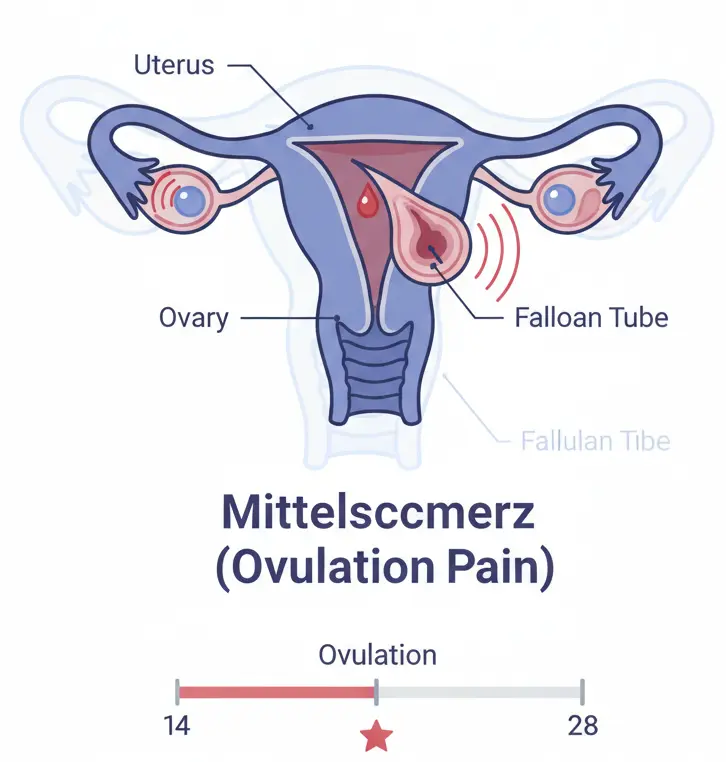
Mittelschmerz is a medical term used to describe ovulation pain that occurs in some people during the middle of the menstrual cycle. The word comes from German, meaning “middle pain.” It typically happens around 10 to 14 days before the start of the next menstrual period, when an ovary releases an egg. Mittelschmerz is usually harmless and short-lived. It can …
Mitral Valve Stenosis
Mitral valve stenosis is a heart valve condition in which the mitral valve becomes narrowed, restricting blood flow from the left atrium to the left ventricle. This narrowing forces the heart to work harder to move blood forward, leading to increased pressure in the lungs and reduced blood flow to the body. Mitral valve stenosis most often develops gradually and …
Mitral Valve Regurgitation
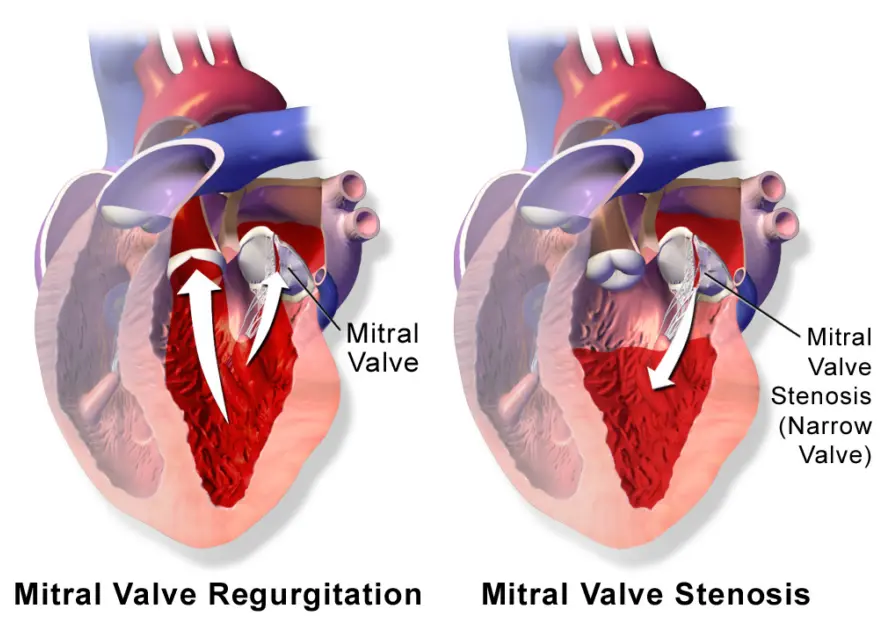
Mitral valve regurgitation is a heart valve condition in which the mitral valve does not close properly, allowing blood to flow backward from the left ventricle into the left atrium during heart contraction. This backward flow forces the heart to work harder to pump enough blood to the rest of the body. The condition can be acute or chronic and …
Mitral Valve Disease
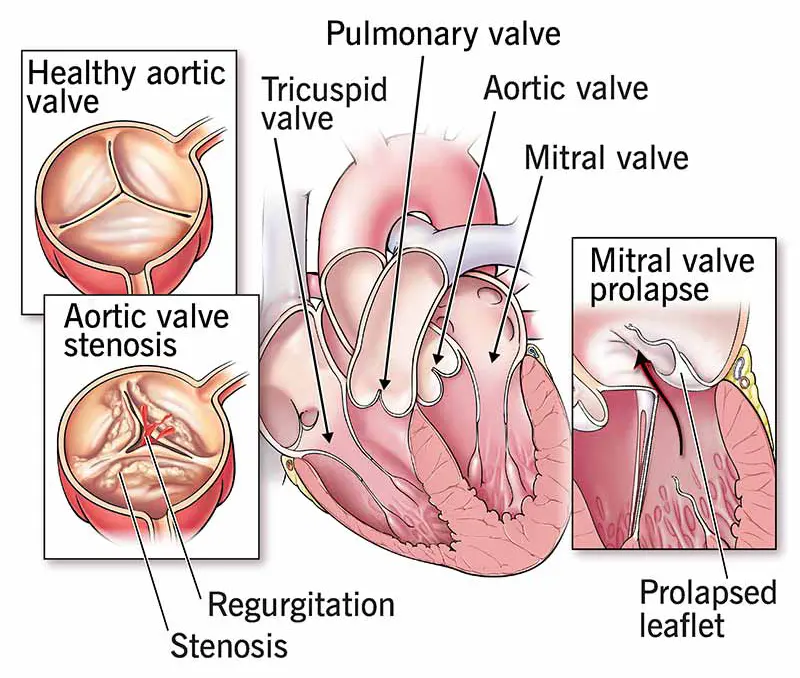
Mitral valve disease refers to a group of conditions that affect the mitral valve, one of the four valves of the heart. The mitral valve controls blood flow between the left atrium and the left ventricle, ensuring blood moves in the correct direction during each heartbeat. When the valve does not function properly, it can disrupt normal blood flow and …
Miscarriage
Miscarriage is the spontaneous loss of a pregnancy before the fetus can survive outside the uterus, most commonly occurring within the first 20 weeks of pregnancy. The majority of miscarriages happen during the first trimester, often before a person even knows they are pregnant. Miscarriage is relatively common and usually occurs due to factors beyond anyone’s control. While it can …
Mild Cognitive Impairment (MCI)
Mild cognitive impairment is a condition marked by noticeable changes in thinking abilities that are greater than expected for normal aging but not severe enough to significantly interfere with daily life or independent function. People with mild cognitive impairment may have problems with memory, language, attention, or decision-making while still being able to manage most everyday activities. Mild cognitive impairment …
Migraine with Aura
Migraine with aura is a type of migraine in which headache attacks are preceded or accompanied by temporary neurological symptoms known as an aura. These symptoms usually develop gradually and are fully reversible. Migraine with aura is a neurological condition involving changes in brain activity that affect vision, sensation, speech, or movement. The aura phase typically occurs before the headache …
Microcephaly
Microcephaly is a neurological condition in which a person’s head size is significantly smaller than expected for age and sex. It usually reflects abnormal brain development during pregnancy or early infancy. Microcephaly can be present at birth or develop within the first few years of life as the brain fails to grow at a normal rate. The condition ranges from …
Monoclonal Gammopathy of Undetermined Significance (MGUS)
Monoclonal gammopathy of undetermined significance is a condition in which an abnormal protein, known as a monoclonal protein or M protein, is found in the blood. This protein is produced by a small number of abnormal plasma cells in the bone marrow. MGUS itself is not cancer and often does not cause symptoms or health problems. MGUS is usually discovered …
Myasthenia Gravis
Myasthenia gravis is a chronic autoimmune neuromuscular disorder that causes weakness in voluntary muscles. It occurs when communication between nerves and muscles is disrupted, leading to muscle fatigue that worsens with activity and improves with rest. Muscles that control eye and eyelid movement, facial expression, chewing, swallowing, and speaking are commonly affected. The condition can affect people of any age, …