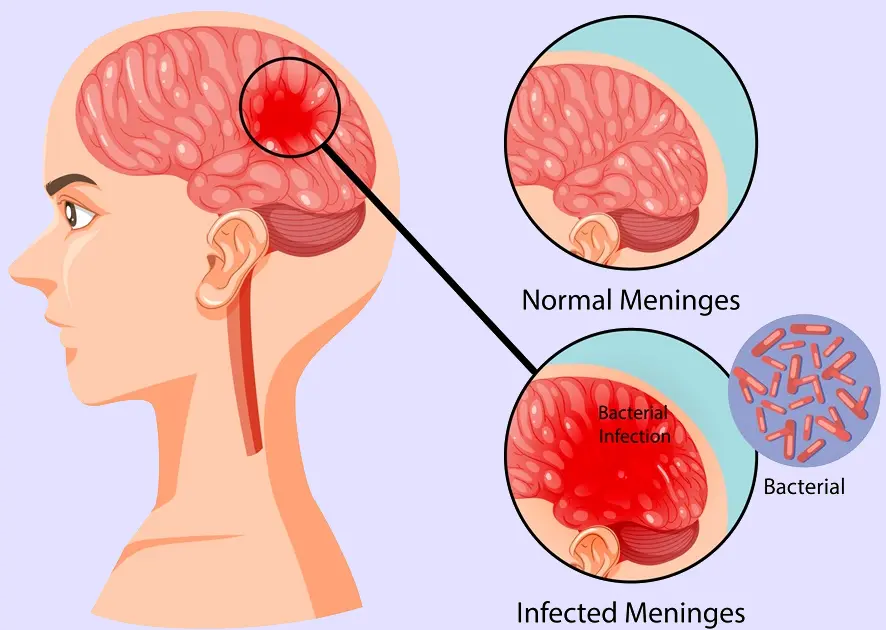
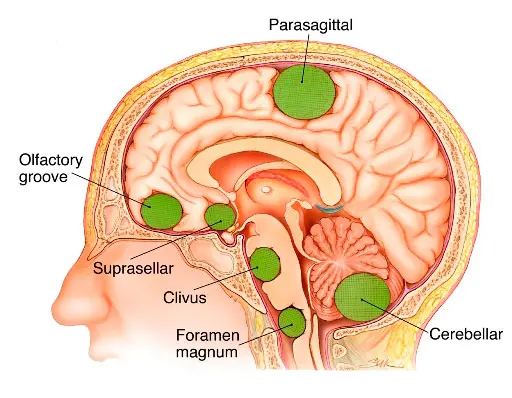
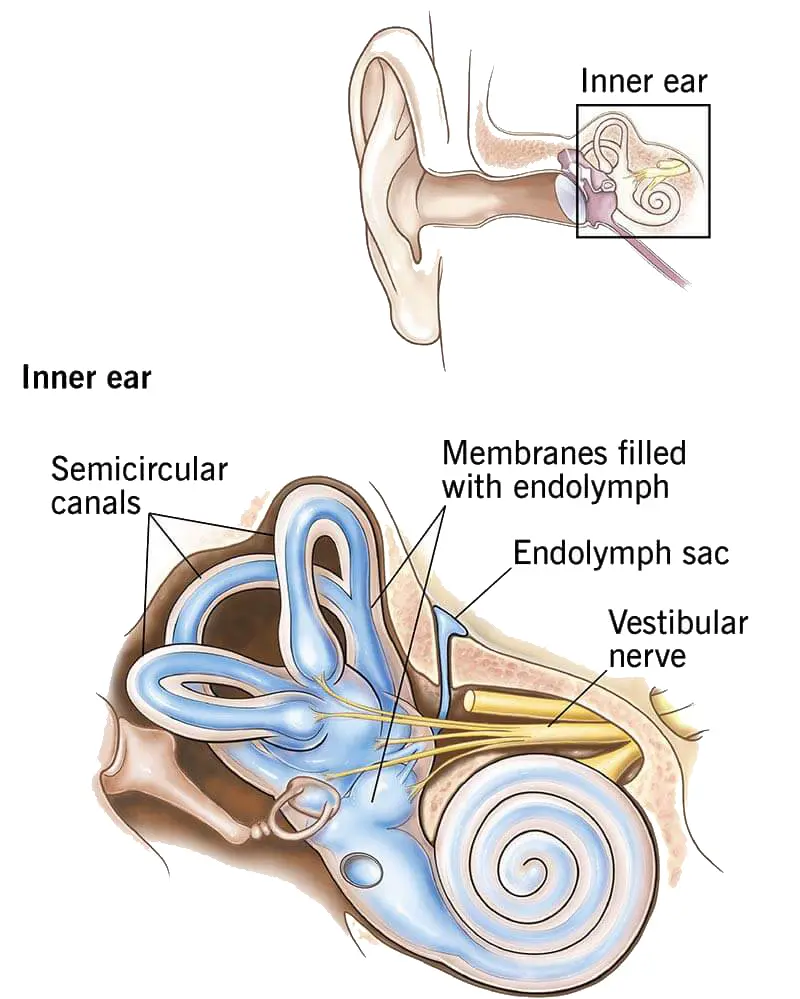
MRSA infection is caused by methicillin-resistant Staphylococcus aureus, a type of bacteria that has become resistant to many commonly used antibiotics. These infections can occur on the skin or, in more serious cases, inside the body affecting the lungs, bloodstream, or surgical wounds. MRSA can spread in healthcare settings as well as in the community. While some infections are mild …
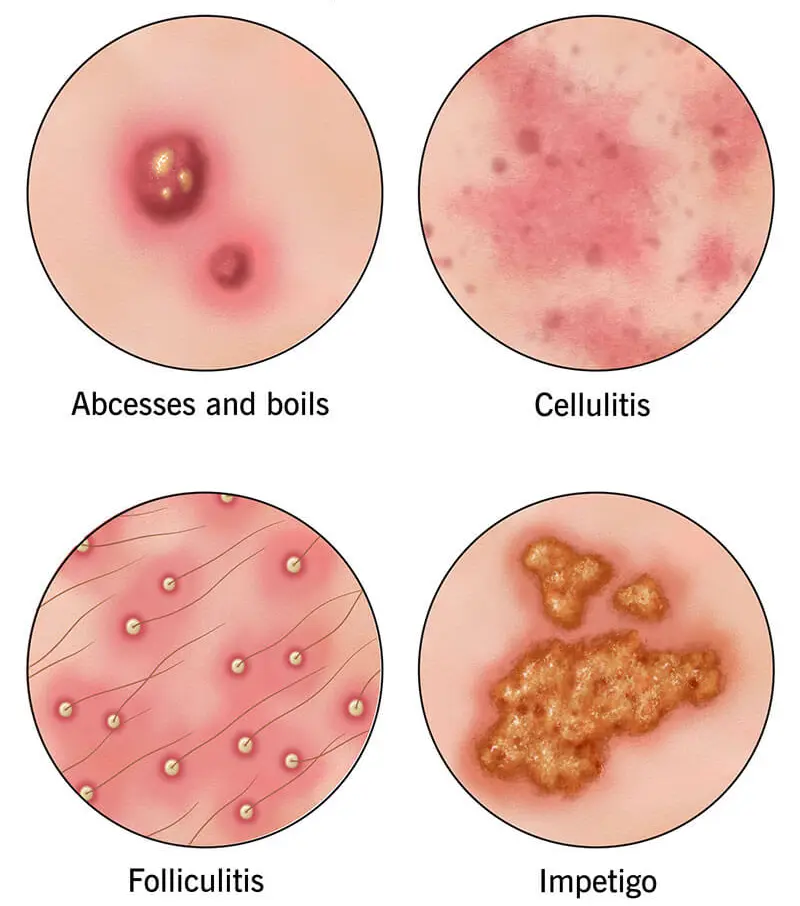
Metatarsalgia
Metatarsalgia is a condition characterized by pain and inflammation in the ball of the foot, the area just behind the toes. It commonly occurs when excessive pressure is placed on the metatarsal bones, which play a key role in supporting body weight during walking, running, and standing. Metatarsalgia is not a disease itself but a symptom of underlying foot stress …
Stage 4 Prostate Cancer
Stage 4 prostate cancer is the most advanced stage of prostate cancer, in which the cancer has spread beyond the prostate gland to distant parts of the body. This spread, known as metastasis, commonly involves the bones, lymph nodes, lungs, or liver. At this stage, the disease is considered advanced and typically not curable, but it is often treatable. The …
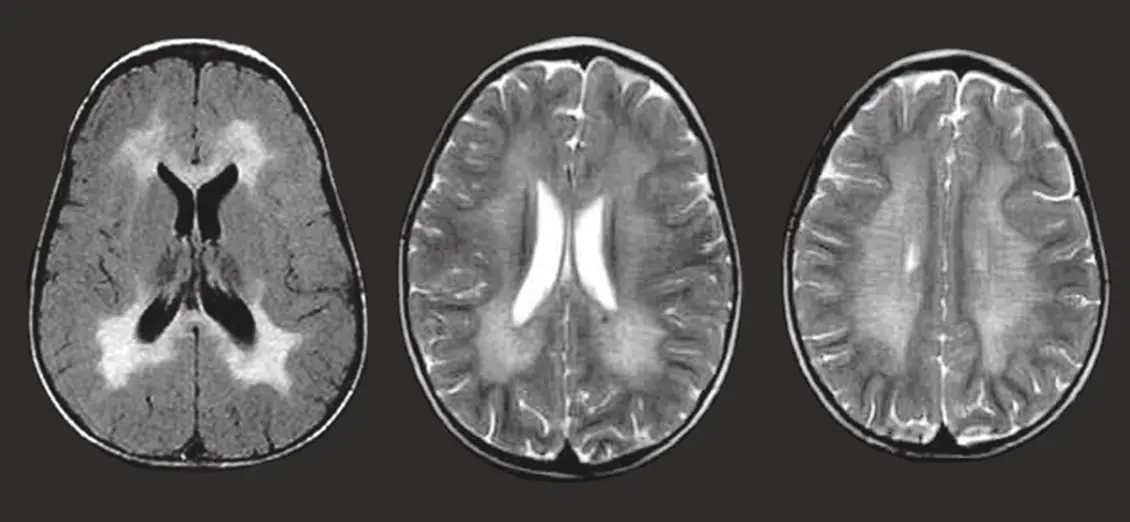
Metachromatic Leukodystrophy
Metachromatic leukodystrophy is a rare inherited metabolic disorder that affects the nervous system. It is caused by a deficiency of an enzyme needed to break down certain fatty substances in the body. As these substances accumulate, they damage the myelin sheath, the protective covering around nerve fibers in the brain, spinal cord, and peripheral nerves. The disease is progressive and …
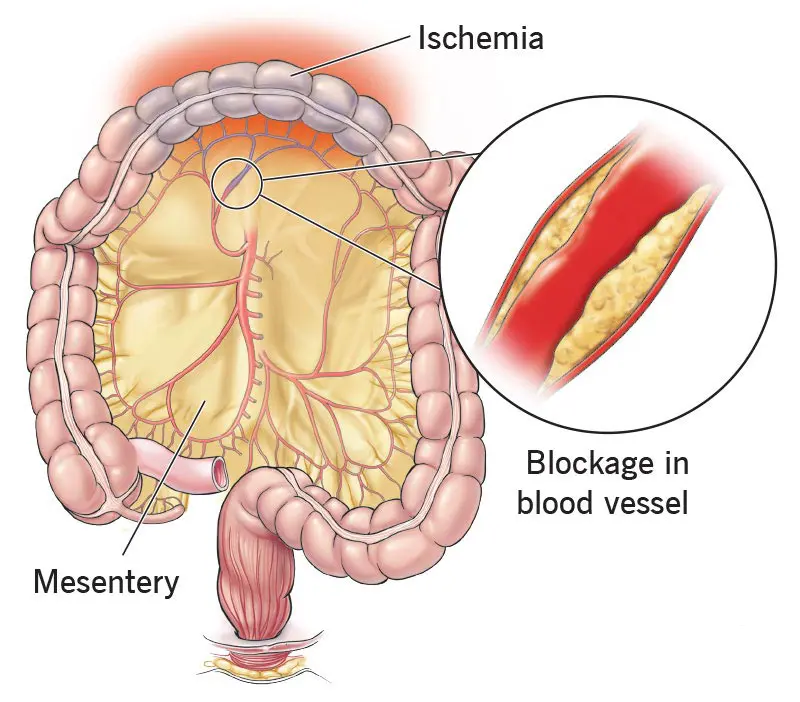
Mesenteric Ischemia
Mesenteric ischemia is a serious medical condition that occurs when there is reduced or blocked blood flow to the intestines. This lack of adequate blood supply can damage intestinal tissue and may become life-threatening if not treated promptly. Mesenteric ischemia can develop suddenly as an acute emergency or progress slowly as a chronic condition, depending on the underlying cause. Symptoms …
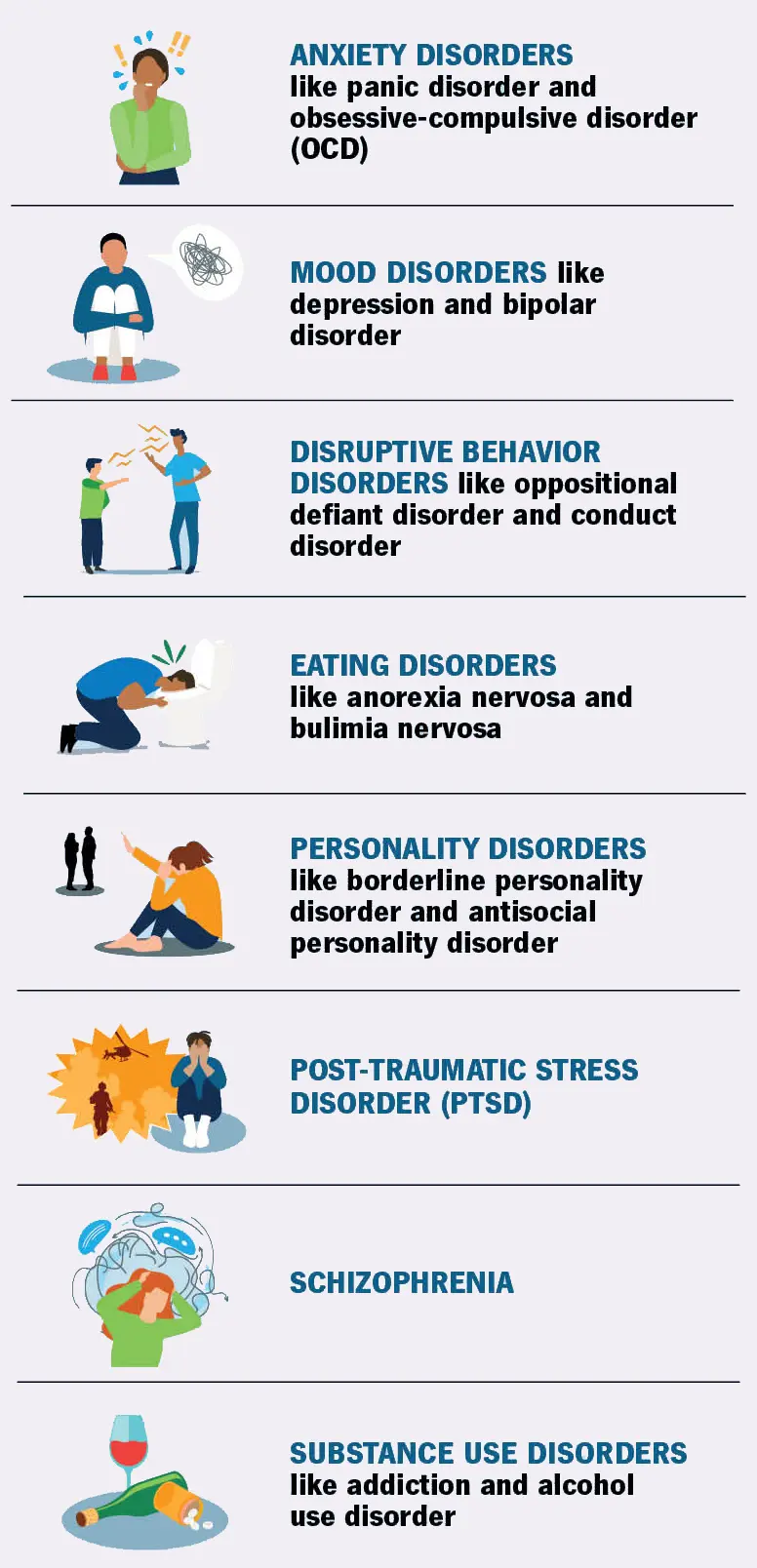
Mental Illness
Mental illness refers to a wide range of mental health conditions that affect a person’s thinking, emotions, mood, behavior, or ability to function in daily life. These conditions can be short-term or long-lasting and may vary from mild to severe. Mental illness is common and can affect people of all ages, genders, and backgrounds. With proper care, support, and treatment, …
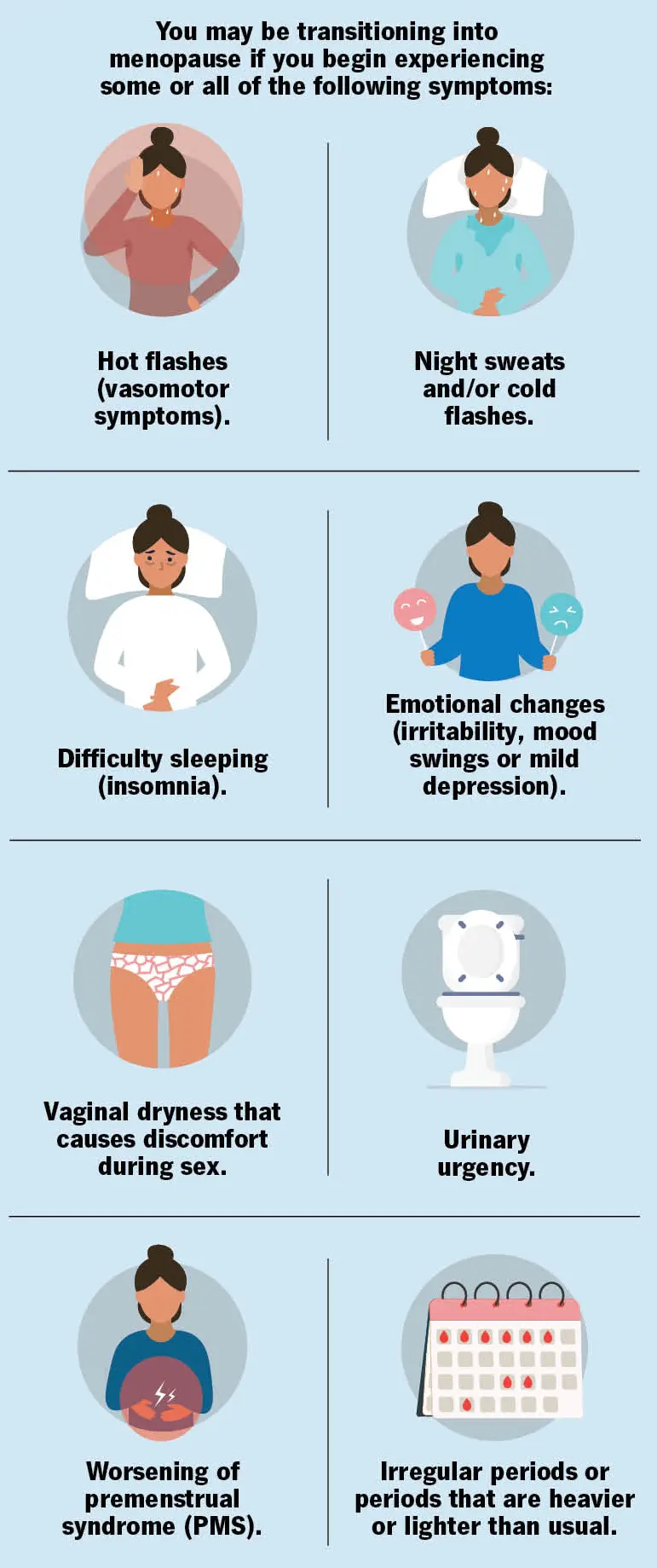
Menopause
Menopause is a natural biological process that marks the end of a woman’s reproductive years. It is officially diagnosed after 12 consecutive months without a menstrual period and typically occurs between the ages of 45 and 55. Menopause happens due to a gradual decline in the production of reproductive hormones, particularly estrogen and progesterone. While menopause is not a medical …
Meningitis
Meningitis is a serious medical condition characterized by inflammation of the meninges, the protective membranes surrounding the brain and spinal cord. It can develop suddenly and may become life-threatening if not treated promptly. Meningitis can be caused by infections from bacteria, viruses, fungi, or parasites, as well as by non-infectious factors such as certain medications or autoimmune diseases. The severity …
Meningioma
Meningioma is a type of brain tumor that develops from the meninges, the protective membranes that cover the brain and spinal cord. Most meningiomas are noncancerous and grow slowly, often taking years to cause noticeable symptoms. Although they arise near the brain, they are not brain tissue tumors themselves. Depending on their size and location, meningiomas may remain harmless or …
Meniere’s Disease
Meniere’s disease is a chronic disorder of the inner ear that affects balance and hearing. It is characterized by recurring episodes of vertigo, hearing loss, tinnitus, and a sensation of fullness in the affected ear. The condition usually affects only one ear, especially in the early stages, but can involve both ears over time. Meniere’s disease is unpredictable and varies …