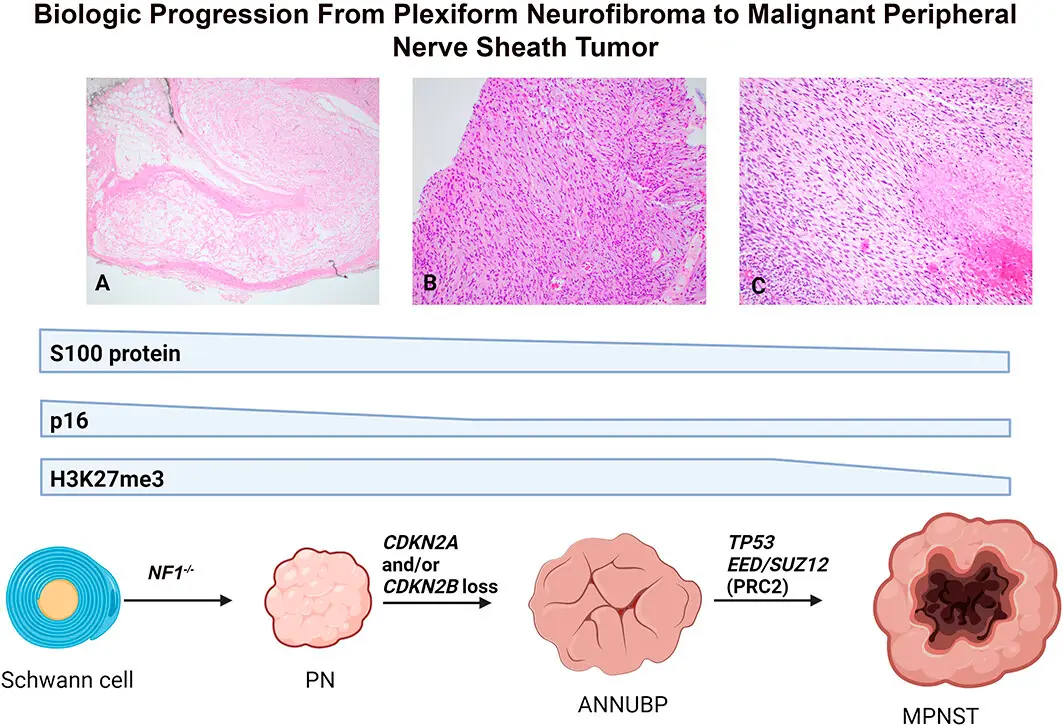
Malignant peripheral nerve sheath tumors are rare and aggressive soft tissue cancers that develop from the protective lining of the nerves that extend from the brain and spinal cord into the rest of the body. These tumors most often arise in the arms, legs or trunk and can grow rapidly, invading nearby tissues. They may occur on their own or …
Malignant Hyperthermia
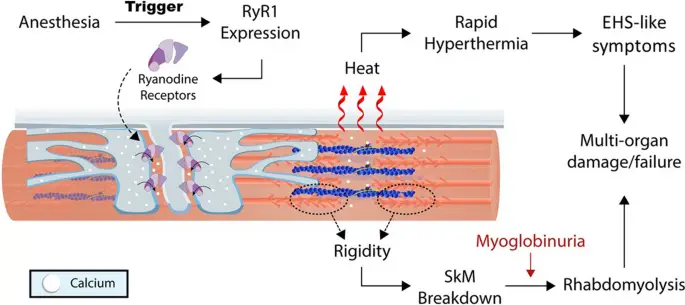
Malignant hyperthermia is a rare but life-threatening reaction to certain medicines used during general anesthesia or, less commonly, intense physical activity or heat exposure. The condition causes a rapid rise in body temperature and severe muscle contractions due to an abnormal reaction in skeletal muscle. Malignant hyperthermia is usually inherited and occurs in people who carry specific genetic changes affecting …
Malaria
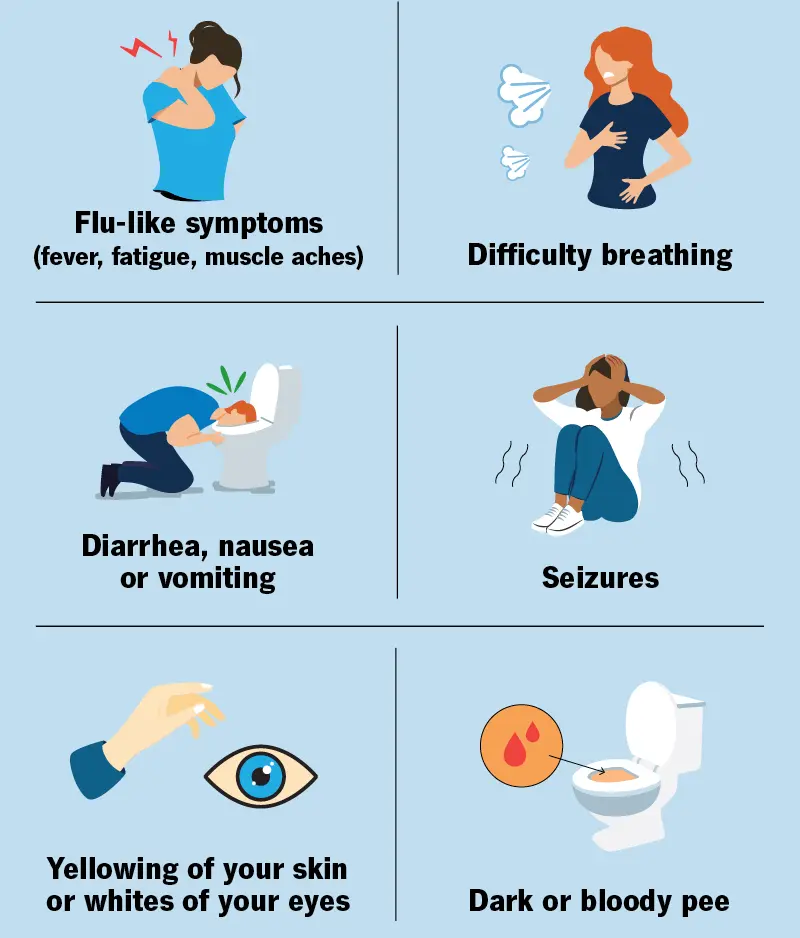
Malaria is a serious and sometimes life-threatening disease caused by parasites of the Plasmodium group. It is transmitted to humans through the bite of infected female Anopheles mosquitoes. Malaria is most common in tropical and subtropical regions, particularly in parts of Africa, Asia, and South America. Once the parasite enters the body, it travels to the liver and then infects …
Typhoid Fever
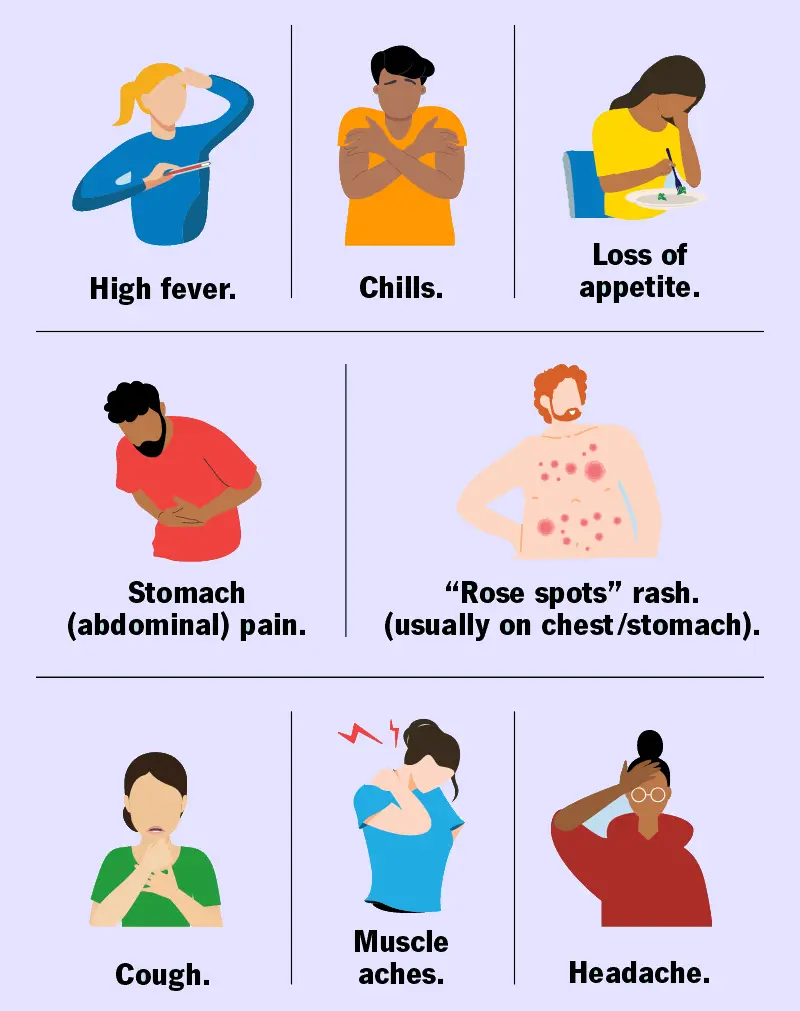
Typhoid fever is a bacterial infection that spreads through contaminated food or water. It is caused by the bacterium Salmonella Typhi and primarily affects the digestive system and bloodstream. The disease is more common in areas with poor sanitation and limited access to clean drinking water. Typhoid fever develops when the bacteria enter the body through the mouth and multiply …
Turner Syndrome
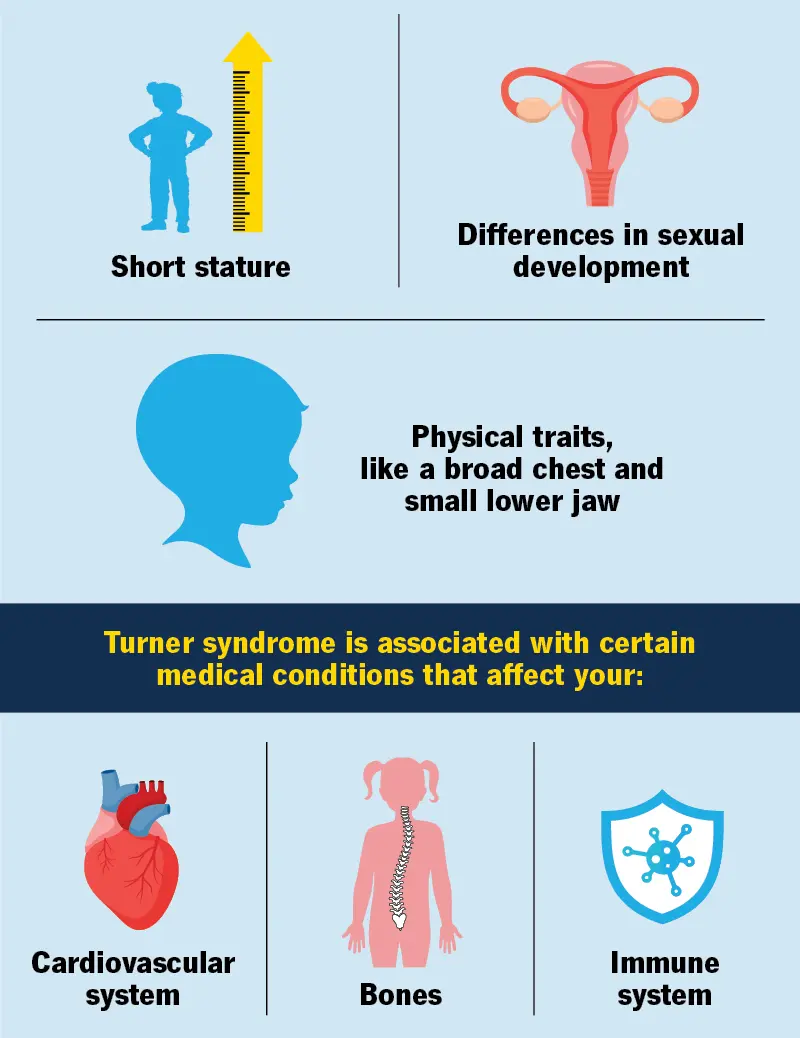
Turner syndrome is a genetic condition that affects females and occurs when one of the two X chromosomes is missing or partially missing. Chromosomes carry genetic information that determines many aspects of growth and development. In individuals with Turner syndrome, this chromosomal change can affect physical development and certain body systems. The condition is present at birth and can lead …
Salivary Gland Tumors
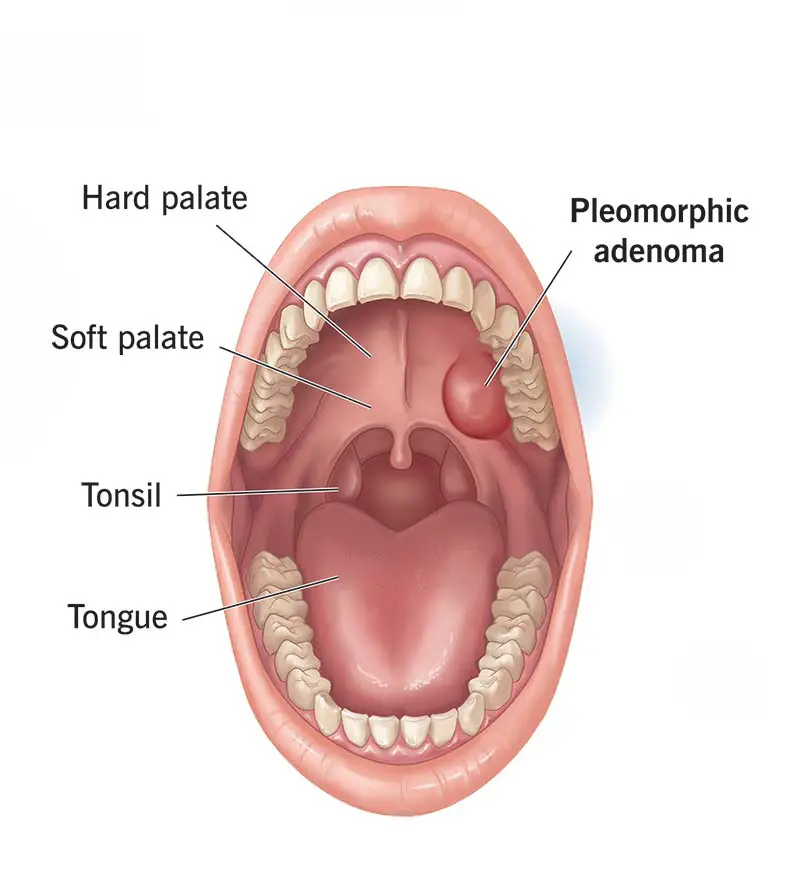
Overview Salivary gland tumors are abnormal growths that develop in the salivary glands, which are responsible for producing saliva to aid in digestion and maintain oral health. These tumors can be benign (non-cancerous) or malignant (cancerous). Most salivary gland tumors occur in the parotid glands, located just in front of the ears, but they can also develop in the submandibular, …
Tuberous Sclerosis
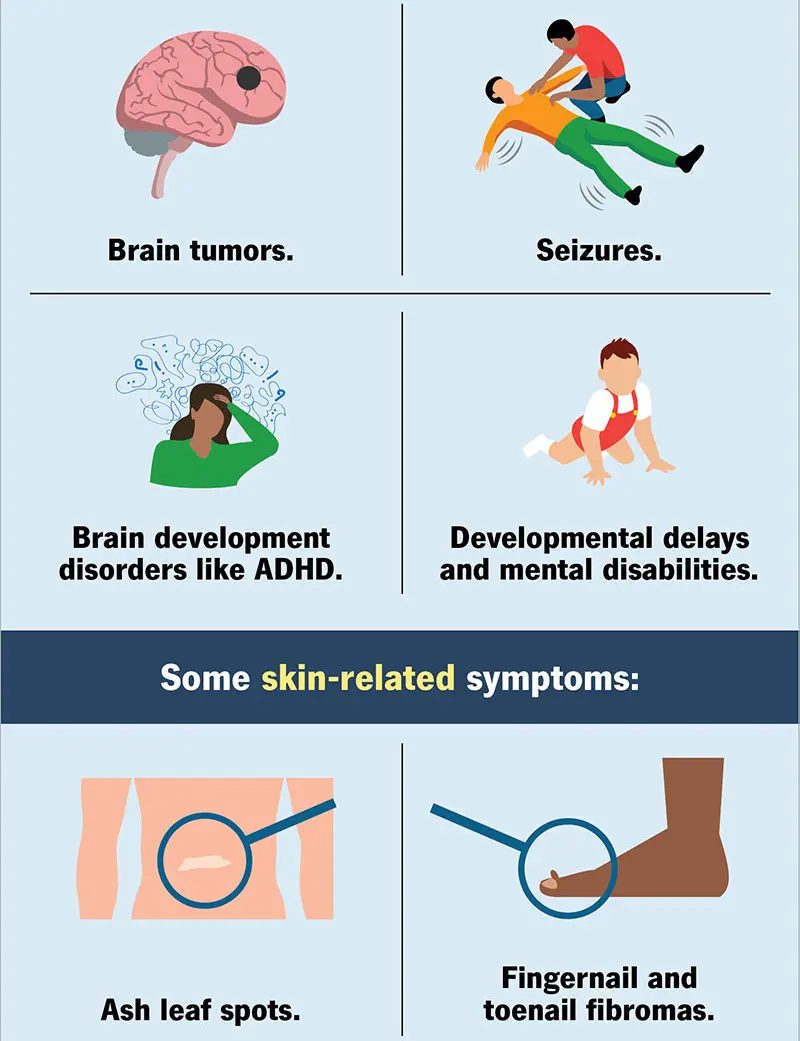
Tuberous sclerosis is a rare genetic disorder that causes noncancerous growths, known as tumors, to develop in various organs of the body. These growths can occur in the brain, skin, kidneys, heart, lungs, and eyes. Although the tumors are usually benign, they can interfere with the normal function of the affected organs. The condition is caused by changes in specific …
Truncus Arteriosus
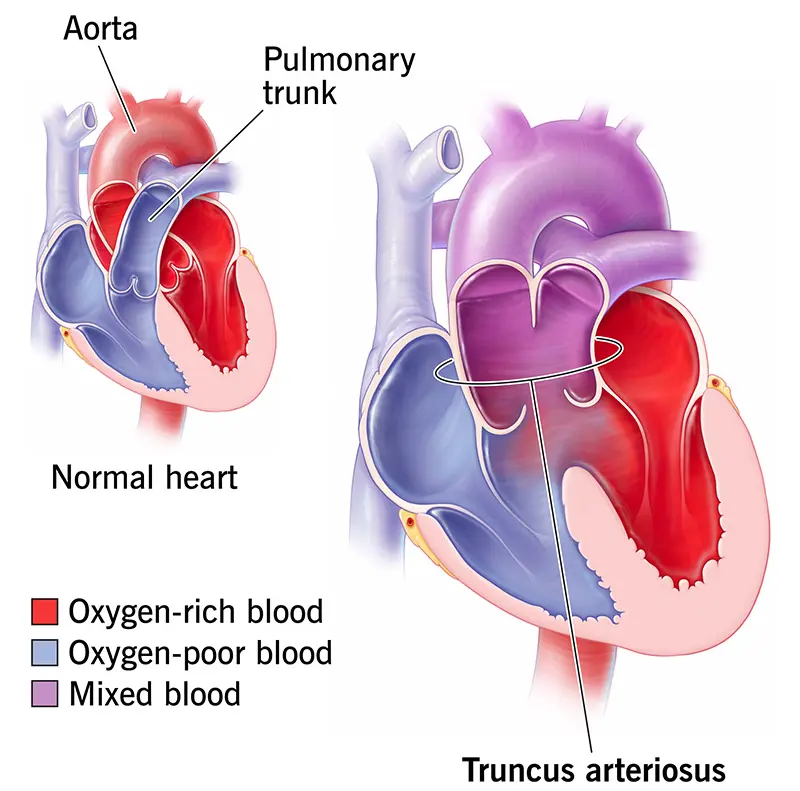
Truncus arteriosus is a rare congenital heart defect present at birth in which a single large blood vessel comes out of the heart instead of two separate arteries. Normally, the heart has two main arteries: the pulmonary artery, which carries blood to the lungs, and the aorta, which carries oxygen rich blood to the rest of the body. In truncus …
Trigger Finger
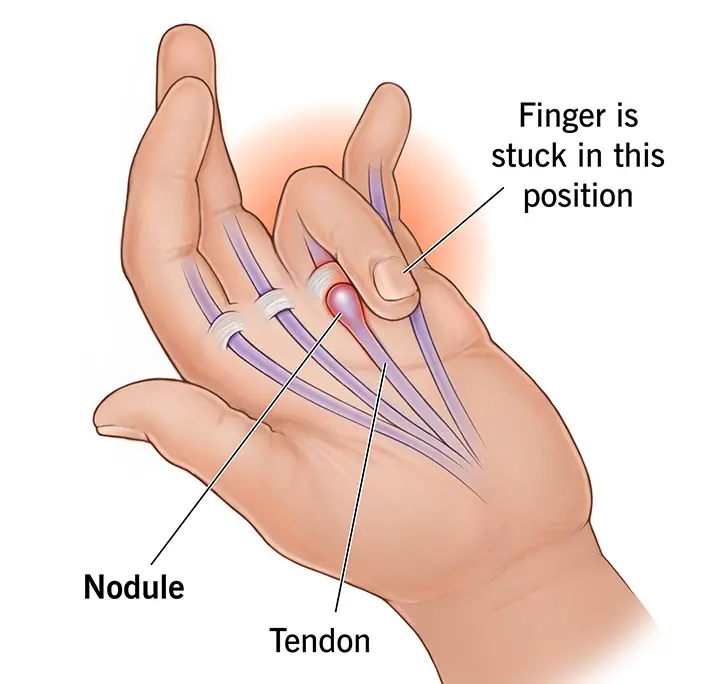
Trigger finger is a condition that affects the tendons in the fingers or thumb, causing pain, stiffness, and difficulty moving the affected finger. The condition occurs when the tendon that controls finger movement becomes inflamed or irritated, making it difficult for the tendon to glide smoothly through its sheath. As a result, the finger may catch or lock when bent …
Tricuspid Valve Regurgitation
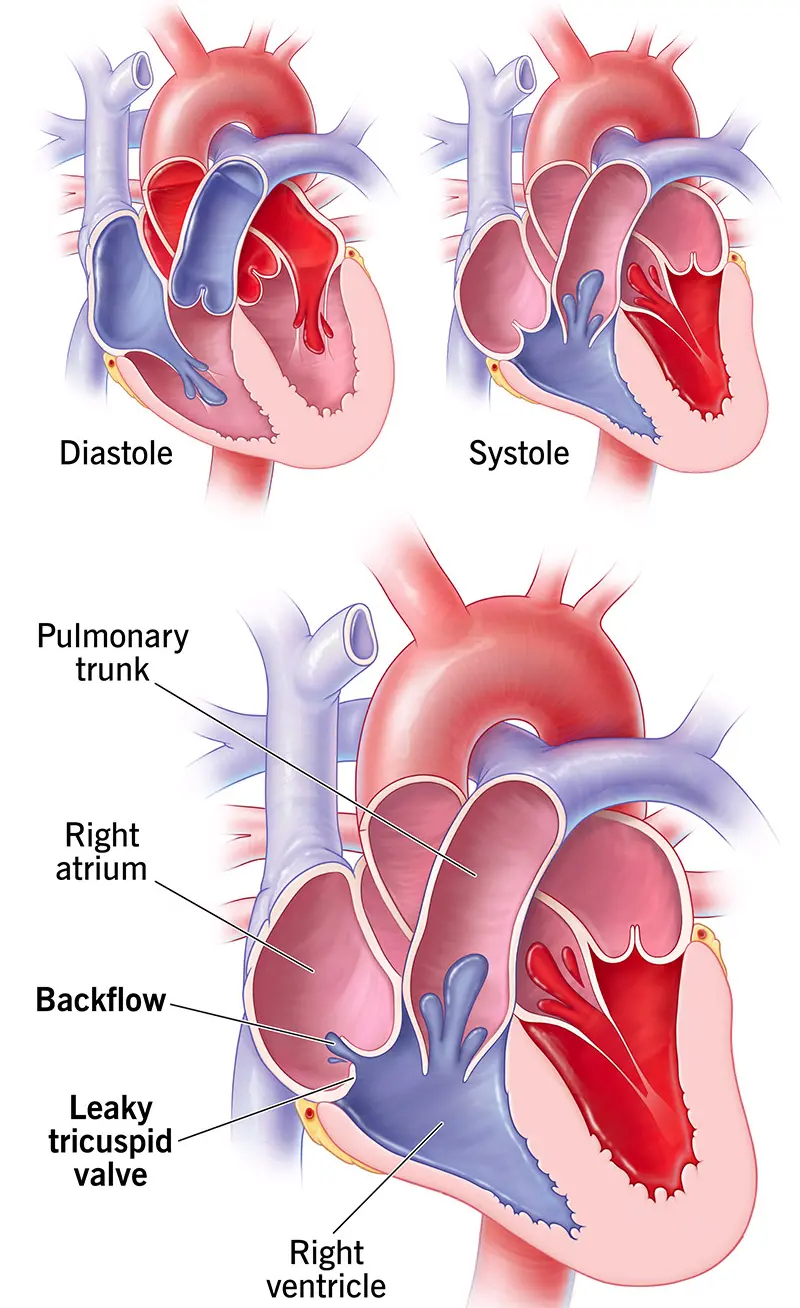
Tricuspid valve regurgitation is a heart valve disorder in which the tricuspid valve does not close properly, allowing blood to flow backward from the right ventricle into the right atrium. The tricuspid valve normally ensures that blood moves in the correct direction through the heart toward the lungs. When regurgitation occurs, the heart must work harder to pump blood effectively. …